
Titanium Pipe Market Outlook for 2025
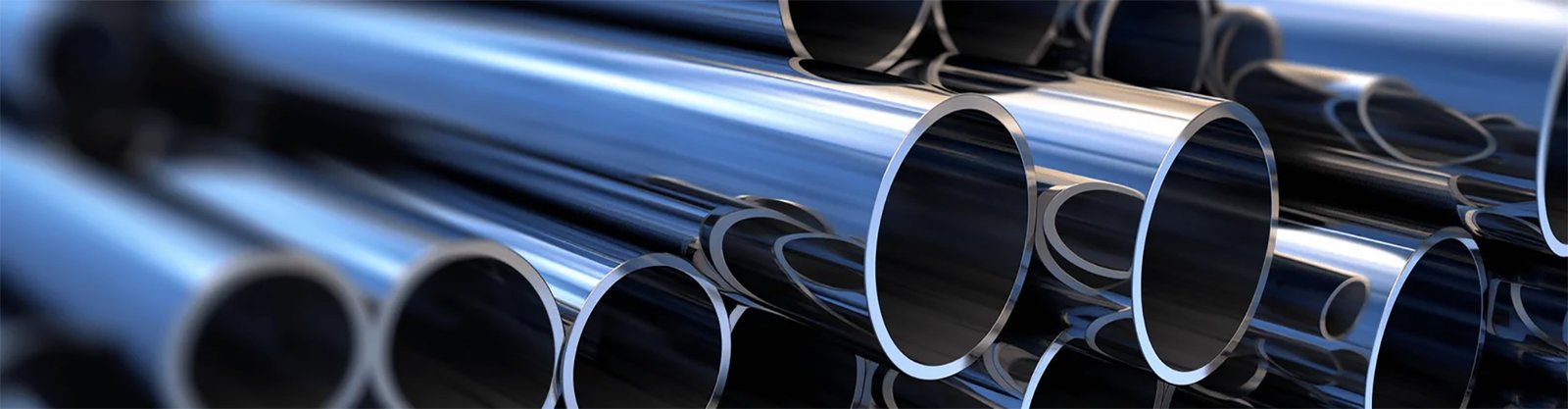
Titanium pipe is an essential material across industries that demand high performance, durability, and corrosion resistance. Its applications span aerospace, marine engineering, chemical processing, power generation, medical technology, and emerging clean energy sectors. As global industries focus on sustainability, performance, and resilience, demand for titanium piping systems is expected to grow. This article presents a comprehensive titanium pipe market outlook for 2025, analyzing key drivers, trends, challenges, and opportunities shaping the market.
We’ll also highlight how suppliers like sakyalloy play a crucial role in supporting industry growth with high-quality materials and technical expertise.
Global Titanium Pipe Market Trends
Rising Demand in Aerospace and Defense
Titanium pipes are widely used in aircraft hydraulic systems, fuel lines, and structural components due to their high strength-to-weight ratio and corrosion resistance. With commercial aviation recovering post-pandemic and defense spending remaining strong, titanium pipe demand in this sector is projected to rise steadily through 2025.
Growth in Marine and Offshore Applications
Titanium’s excellent seawater corrosion resistance makes it a material of choice for offshore oil and gas, desalination plants, and shipbuilding. As offshore wind power projects and marine infrastructure investments expand, titanium pipe consumption in these sectors is expected to grow.
Chemical Processing and Power Generation
Titanium pipes handle aggressive chemicals and high-temperature environments with ease. The market outlook indicates continued demand in chemical plants, power stations, and petrochemical facilities, especially as operators seek materials that lower maintenance costs and improve system longevity.
Clean Energy and Hydrogen Economy
Emerging sectors such as hydrogen production, fuel cell technology, and carbon capture systems are increasingly turning to titanium for its corrosion resistance and compatibility with aggressive environments. This trend is expected to create new growth avenues for titanium pipe through 2025 and beyond.
Regional Outlook
Asia-Pacific
Asia-Pacific, particularly China, Japan, and South Korea, will remain a leading market due to their strong manufacturing base, shipbuilding, and chemical processing industries. Infrastructure development and clean energy projects in these regions further fuel demand.
North America
The United States continues to drive demand through aerospace, defense, and advanced energy sectors. The U.S. market also benefits from investments in offshore wind and desalination infrastructure, where titanium piping solutions are preferred.
Europe
European countries are investing in sustainable technologies, offshore wind, and green hydrogen production. These initiatives are likely to support steady growth in titanium pipe demand across the region.
Market Drivers for 2025
1. Corrosion Resistance and Lifecycle Cost Savings
Operators across industries are focusing on materials that reduce total lifecycle costs. Titanium pipes, with their long service life and minimal maintenance requirements, are increasingly favored for critical systems.
2. Lightweight Strength
Titanium offers the strength of steel at nearly half the weight, making it ideal for aerospace, automotive, and marine applications where weight reduction improves efficiency and performance.
3. Environmental Regulations and Sustainability
Stricter environmental regulations and the shift toward sustainable design are driving demand for durable, recyclable materials like titanium. Many industries see titanium as a solution to meet environmental targets while ensuring operational reliability.
4. Expanding Clean Energy Projects
The global push toward clean energy technologies such as hydrogen fuel, offshore wind, and carbon capture creates new opportunities for titanium piping solutions.
Market Challenges
1. High Material Cost
Titanium remains more expensive than many alternative materials, limiting its adoption in cost-sensitive applications. However, falling production costs and advances in processing are helping to narrow this gap.
2. Complex Fabrication Requirements
Titanium requires specialized welding, machining, and handling processes. This can add to project costs and timelines, making supplier selection and technical support critical.
3. Supply Chain Volatility
The titanium supply chain can be impacted by geopolitical issues, mining regulations, and fluctuations in demand from key sectors such as aerospace and defense.
Opportunities for Stakeholders
Alloy Innovation
Advancements in titanium alloys with enhanced weldability, corrosion resistance, or strength could open new markets and applications.
Expansion into Emerging Markets
Regions investing heavily in infrastructure, energy, and water management — including parts of Africa, the Middle East, and Southeast Asia — represent growth opportunities for titanium pipe producers.
Circular Economy and Recycling
Titanium’s excellent recyclability positions it well in the circular economy. Suppliers and fabricators focusing on recycling and sustainability initiatives can differentiate themselves in the market.
The Role of Trusted Suppliers
In a growing and technically demanding market, the role of reliable suppliers like sakyalloy becomes increasingly important. sakyalloy supports the titanium pipe market by:
-
Providing certified titanium pipes that meet stringent international standards such as ASTM B861, B862, and ASME specifications.
-
Offering full traceability and mill test documentation to ensure compliance and quality.
-
Supporting clients with technical guidance on material selection, fabrication, and application best practices.
By sourcing from sakyalloy, customers can be confident that their titanium piping solutions are optimized for performance, durability, and compliance.
Forecast Summary
Based on industry data, market studies, and infrastructure trends, the titanium pipe market is expected to achieve steady growth through 2025:
-
Aerospace and defense will continue to be the largest end-use sector, driven by aircraft production and military modernization.
-
Marine and offshore applications will see increased demand linked to renewable energy and desalination projects.
-
Chemical processing, power generation, and clean energy sectors will contribute to incremental growth, with titanium’s lifecycle benefits outweighing its higher initial cost in critical applications.
Conclusion
The titanium pipe market outlook for 2025 reflects a dynamic industry shaped by technological innovation, sustainability priorities, and the demand for high-performance materials. Despite challenges such as cost and supply chain complexity, titanium pipe continues to gain traction in applications where safety, reliability, and long-term value are non-negotiable.
By partnering with experienced suppliers like sakyalloy, stakeholders can access high-quality titanium piping solutions supported by technical expertise and industry knowledge — helping them navigate a rapidly evolving market and seize new opportunities in 2025 and beyond.