
Titanium Pipe Myths Debunked
Introduction
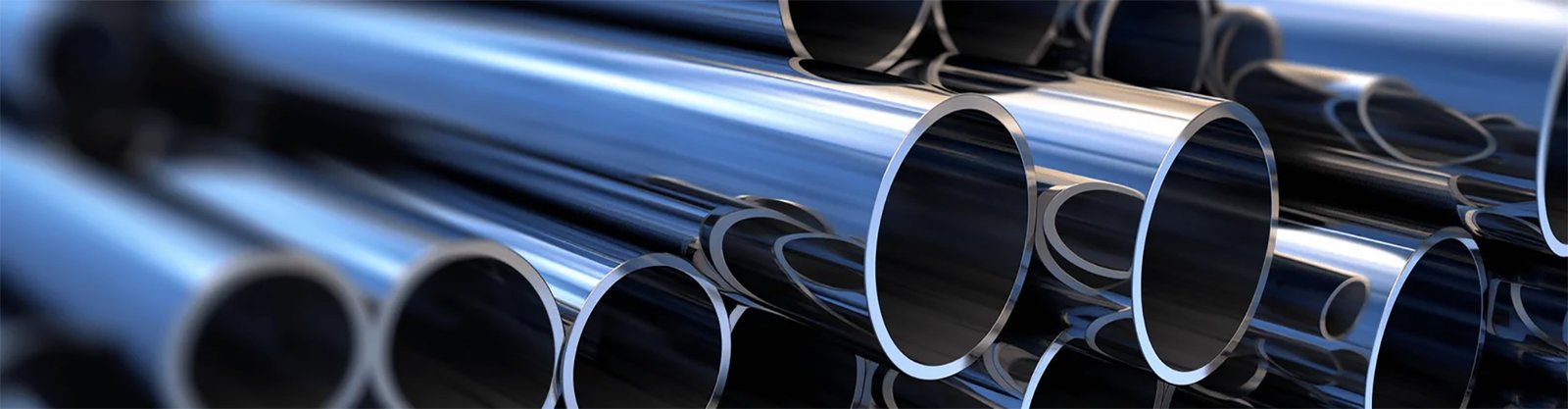
Titanium pipe has earned a reputation for being one of the most advanced and high-performance materials used across industries. From aerospace to chemical processing and desalination to medical technology, its versatility and performance are unparalleled. However, with fame comes misconception. Over the years, various myths have developed around titanium pipe—some of which prevent engineers, procurement specialists, and designers from fully leveraging its benefits.
In this article, we will debunk the most common myths about titanium pipe and separate fact from fiction. If you’re considering titanium pipe for your next project, this deep dive—backed by the experience and insight of sakyalloy—will help you make a more informed decision.
Myth 1: Titanium Pipe Is Too Expensive to Use
The Truth:
Titanium does have a higher upfront cost than carbon steel or aluminum, but it’s important to consider the total lifecycle cost, not just the purchase price. Titanium pipes offer superior corrosion resistance, lower maintenance, and longer service life, which can make them more cost-effective in the long run.
In harsh environments—such as seawater desalination plants or chlorine processing systems—standard materials corrode quickly and require frequent replacement or repair. Titanium, on the other hand, can last for 30–50 years with minimal maintenance.
Bottom Line:
What may appear to be a costly investment upfront often turns into cost savings over the entire project lifecycle.
Myth 2: Titanium Pipe Is Difficult to Weld or Fabricate
The Truth:
This myth stems from titanium’s reactive nature. While it’s true that titanium must be handled properly during welding to prevent contamination, modern techniques and equipment have made titanium fabrication straightforward and repeatable.
With inert gas shielding (like argon) and proper surface cleaning, titanium welds can be made with high integrity and strength. At sakyalloy, we routinely supply titanium pipes that are custom cut, bent, or welded to client specifications across aerospace, marine, and medical industries.
Bottom Line:
Titanium requires expertise, not difficulty. With the right knowledge and process controls, titanium is just as workable as stainless steel.
Myth 3: Titanium Pipe Is Only for Aerospace or Military Use
The Truth:
While titanium certainly has a long history in aerospace and defense—thanks to its lightweight strength and heat resistance—its use spans far beyond fighter jets and submarines.
Titanium pipe is increasingly used in:
-
Chemical processing due to resistance to acids and chlorides
-
Desalination plants for its long-term corrosion performance
-
Medical equipment because of its biocompatibility
-
Oil & gas pipelines for withstanding hydrogen sulfide environments
-
Automotive and motorsports to reduce weight and boost efficiency
sakyalloy supplies titanium pipes across all these industries, proving that the material is versatile and far from niche.
Bottom Line:
Titanium pipe is not exclusive to high-tech military projects—it’s a smart choice for any industry that demands performance, safety, and longevity.
Myth 4: Titanium Pipe Is Prone to Cracking or Failure
The Truth:
This misconception may come from confusion with other hard materials that can be brittle under stress. Titanium, however, is highly ductile, especially in its pure or low-alloy grades like Grade 2 and Grade 9.
Titanium has a high fatigue strength, resists fracture even under cyclic loading, and maintains structural integrity under wide temperature ranges—from cryogenic to high-heat environments.
With proper design and installation, titanium pipe offers exceptional mechanical reliability. In fact, its ability to endure both pressure and vibration makes it ideal for dynamic systems like heat exchangers and chemical pipelines.
Bottom Line:
Titanium is tough, flexible, and resilient—a material engineered to last under the most demanding conditions.
Myth 5: Titanium Pipe Requires Special Storage and Handling
The Truth:
While it’s important to prevent contamination during welding or heat treatment, titanium pipe does not require complex handling for regular storage or shipping.
It is non-magnetic, non-toxic, and relatively stable in ambient conditions. When stored properly—away from reactive chemicals or dust—titanium pipe can be managed with standard metal handling procedures.
At sakyalloy, our titanium pipes are packaged in moisture-resistant materials, sealed from oxygen exposure, and labeled with full traceability. This ensures they’re ready for machining or installation upon delivery.
Bottom Line:
Titanium is not delicate—it’s a durable, reliable material that integrates easily into industrial supply chains.
Why These Myths Persist
Much of the misinformation about titanium pipe stems from outdated information, isolated fabrication failures, or a lack of experience among suppliers. Because titanium is not as commonly used as carbon steel or stainless steel, many professionals rely on second-hand knowledge or assumptions rather than actual data.
By working with an experienced and trusted titanium supplier like sakyalloy, engineers and procurement teams can get:
-
Accurate specifications and material guidance
-
Welding and machining best practices
-
Material test certificates that guarantee compliance with ASTM, ASME, and ISO standards
-
Fast and reliable deliveries, even for custom orders
We help our customers understand and maximize the potential of titanium pipes instead of being held back by myths.
Real-World Applications Back the Truth
To truly understand how unfounded these myths are, consider the real-world industries that depend on titanium pipe:
-
Aerospace: Lightweight hydraulic and fuel systems
-
Nuclear: Corrosion-resistant piping in coolant loops
-
Medical: Cleanroom equipment and implant manufacturing
-
Marine: Long-term piping in subsea oil platforms
-
Chemical: Acid-resistant heat exchanger tubing
These applications require uncompromising performance, and titanium delivers every time.
Conclusion
Titanium pipe is one of the most misunderstood materials in industrial engineering, but the myths surrounding it are easily dismantled when examined through the lens of data, experience, and real-world performance.
At sakyalloy, we believe that accurate information and reliable supply go hand in hand. That’s why we not only produce titanium pipes that meet the highest industry standards, but also educate and support our customers throughout every stage of their project.
Whether you are replacing aging piping in a corrosive plant, building lightweight systems for aerospace, or developing sterile environments for the medical field, don’t let myths limit your material choices. Choose facts. Choose performance.
Choose sakyalloy.