
Titanium Pipe vs Carbon Steel: A Comprehensive Comparison
When it comes to selecting the right piping material for industrial use, the choice between titanium pipe and carbon steel pipe is a frequent topic of evaluation. Both materials have their place in engineering and construction, but they differ significantly in terms of corrosion resistance, weight, strength, cost, and application suitability.
In this article, we provide a comprehensive comparison between titanium and carbon steel pipes, helping engineers, procurement managers, and designers make informed decisions based on performance requirements and long-term value. This expert insight is brought to you by sakyalloy, a trusted global supplier of premium-grade titanium materials and alloy solutions.
Material Overview
Titanium Pipe
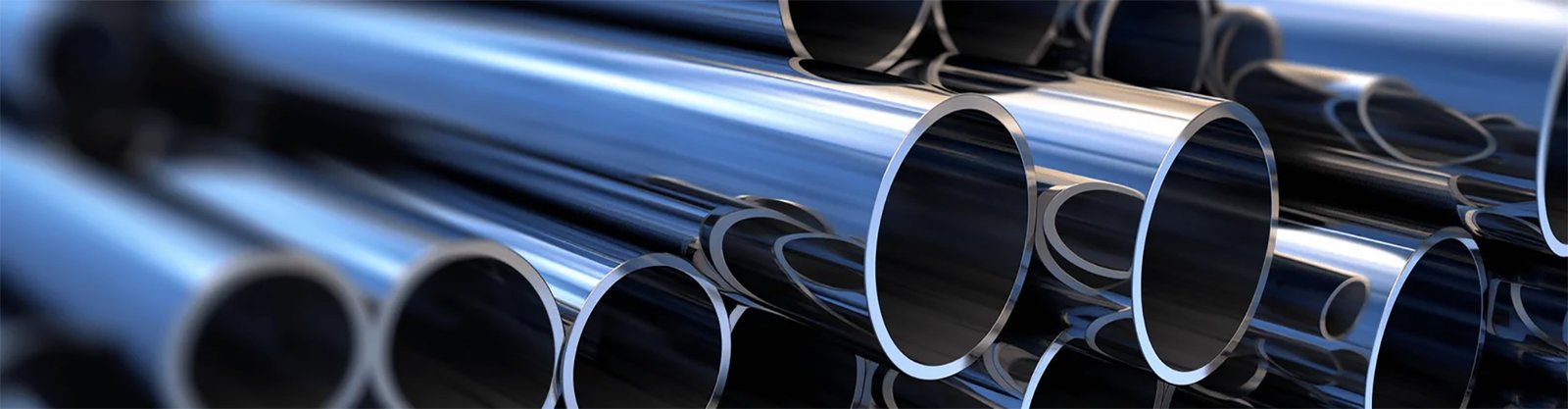
Titanium is a non-ferrous metal known for its high strength-to-weight ratio, exceptional corrosion resistance, and biocompatibility. Titanium pipes, especially in grades like Grade 2 (commercially pure) and Grade 5 (Ti-6Al-4V), are commonly used in aerospace, marine, medical, and chemical processing industries.
Carbon Steel Pipe
Carbon steel is an iron-carbon alloy with various grades (e.g., ASTM A106, A53) and is widely used for structural, water, and oil pipeline applications. It is strong, affordable, and easy to fabricate, but prone to corrosion unless treated or coated.
Corrosion Resistance
One of the most significant differences between the two materials is corrosion resistance.
-
Titanium Pipe naturally forms a passive oxide layer that protects it from seawater, chlorides, acids, and other aggressive chemicals. This resistance is inherent, meaning no coatings or linings are needed.
-
Carbon Steel Pipe, in contrast, is vulnerable to rust and general corrosion. It requires galvanizing, painting, or internal linings** to protect it in corrosive environments.
For applications involving saltwater, chemical exposure, or humidity, titanium pipe from sakyalloy is the superior long-term solution.
Strength and Mechanical Performance
Both materials offer strength, but their performance characteristics differ:
-
Titanium Grade 5 Pipe has a tensile strength of ~895 MPa and is also lightweight, making it ideal for aerospace and critical high-pressure systems.
-
Carbon Steel Pipe varies in strength, typically around ~400–600 MPa, depending on the grade. It is heavier but offers good structural rigidity.
For weight-sensitive applications that still require high strength, sakyalloy recommends titanium.
Weight and Density
Weight plays a crucial role in transport, handling, and structural support.
-
Titanium has a density of ~4.5 g/cm³
-
Carbon Steel has a density of ~7.85 g/cm³
This means titanium pipe is nearly 40–45% lighter, offering a distinct advantage in industries like aviation, subsea, and mobile platforms. sakyalloy’s lightweight titanium solutions help reduce installation costs and improve performance in dynamic systems.
Temperature and Thermal Performance
-
Titanium Pipe can operate reliably up to 400–500°C, with good resistance to thermal shock and expansion.
-
Carbon Steel Pipe can handle higher temperatures, sometimes up to ~600°C, but loses its corrosion resistance quickly if not protected.
For high-temperature corrosive environments (e.g., chemical vapor transport), titanium provides a better performance balance.
Weldability and Fabrication
-
Carbon Steel is easy to cut, weld, and fabricate with standard equipment.
-
Titanium, while weldable, requires inert gas shielding (argon) and experienced technicians to avoid contamination and maintain structural integrity.
sakyalloy offers expert fabrication services, ensuring quality-controlled titanium pipe welding and forming for specialized industries.
Lifespan and Maintenance
-
Titanium Pipe offers a much longer service life with minimal maintenance, even in aggressive environments.
-
Carbon Steel Pipe may suffer from corrosion, scale buildup, or pitting, requiring regular inspections, coatings, and potential replacements.
While titanium is more expensive upfront, it often results in lower lifecycle costs due to reduced downtime and fewer failures. sakyalloy helps clients optimize TCO (total cost of ownership) by selecting the right grade of titanium pipe for extended use.
Cost Comparison
-
Initial Cost: Titanium is significantly more expensive per kilogram than carbon steel.
-
Installation & Maintenance: Titanium’s lightweight and corrosion resistance can reduce installation labor and eliminate ongoing corrosion protection measures.
-
Total Cost Over Time: For harsh or mission-critical environments, titanium often proves to be more economical in the long run.
sakyalloy offers competitive pricing on titanium pipe with value-added services like cut-to-length, polishing, and CNC machining.
Common Applications
Titanium Pipe Is Preferred In:
-
Offshore oil & gas platforms
-
Desalination and marine environments
-
Aerospace and defense systems
-
Chemical reactors and heat exchangers
-
Medical-grade piping and implants
Carbon Steel Pipe Is Preferred In:
-
Structural construction
-
Industrial steam and water lines
-
Oil and gas transmission pipelines
-
General-purpose infrastructure projects
sakyalloy supports titanium applications across all these industries with full documentation and export support.
Conclusion
When choosing between titanium pipe vs carbon steel pipe, the decision ultimately depends on your application demands:
-
If corrosion resistance, weight savings, and long-term durability are your top priorities, titanium is the better investment.
-
If initial budget constraints and general structural use are the focus, carbon steel may suffice with proper treatment.
At sakyalloy, we supply titanium pipes engineered for performance, reliability, and demanding environments. With in-house processing, third-party testing, and global shipping, we ensure that every meter of titanium pipe we deliver adds value to your project.
Choose sakyalloy—where strength meets endurance, and performance never rusts.