
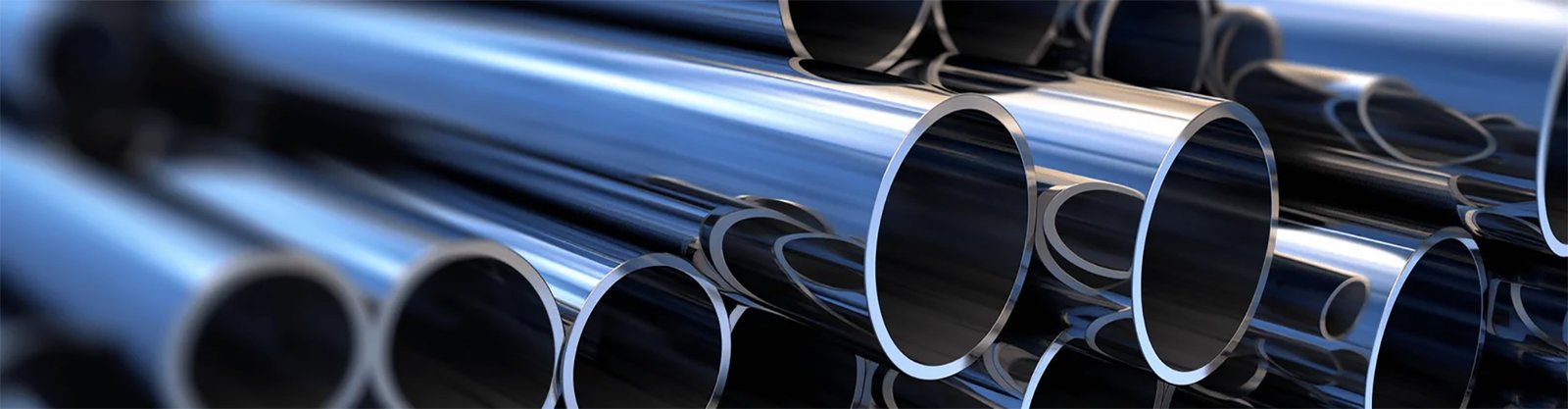
Titanium Pipe vs Inconel: High-Performance Material Face-Off
In demanding industrial environments—such as aerospace, chemical processing, marine engineering, and power generation—selecting the right piping material can make a significant difference in system performance and durability. Two of the most sought-after high-performance materials are Titanium and Inconel. Each offers unique advantages in terms of strength, corrosion resistance, weight, and temperature tolerance.
In this detailed material face-off, we compare Titanium Pipe vs Inconel Pipe across key performance categories to help engineers and procurement specialists make informed decisions. This expert analysis is presented by sakyalloy, your trusted global supplier of premium titanium and nickel alloy piping solutions.
Overview of Titanium Pipe
Titanium pipes, particularly Grades 2 and 5, are prized for their high strength-to-weight ratio, excellent corrosion resistance, and biocompatibility. Commercially pure titanium (like Grade 2) is ideal for corrosive environments, while Grade 5 (Ti-6Al-4V) provides additional strength for structural use.
Advantages of Titanium Pipe:
-
Lightweight
-
Excellent resistance to seawater and chlorides
-
High ductility and formability
-
Outstanding corrosion resistance in oxidizing environments
-
Long service life with minimal maintenance
sakyalloy supplies titanium pipes in a range of grades and dimensions to meet industrial and aerospace-grade standards.
Overview of Inconel Pipe
Inconel is a family of nickel-chromium-based superalloys, with grades like Inconel 600, 625, and 718 being the most popular. These alloys are engineered to perform in extremely high-temperature and corrosive environments where other metals fail.
Advantages of Inconel Pipe:
-
Exceptional strength at elevated temperatures
-
Excellent oxidation and scaling resistance
-
Superior resistance to acidic and alkali conditions
-
Excellent fatigue and creep resistance
-
High pressure and thermal shock tolerance
sakyalloy offers Inconel pipes that meet ASTM, ASME, and NACE standards for use in petrochemical, aerospace, and nuclear sectors.
Strength and Mechanical Performance
In terms of mechanical strength, Inconel outperforms Titanium at both room and elevated temperatures. For example:
-
Inconel 625:
-
Tensile Strength: ~827–930 MPa
-
Yield Strength: ~414–517 MPa
-
-
Titanium Grade 2:
-
Tensile Strength: ~345 MPa
-
Yield Strength: ~275 MPa
-
-
Titanium Grade 5 (Ti-6Al-4V):
-
Tensile Strength: ~895 MPa
-
Yield Strength: ~828 MPa
-
While Grade 5 titanium competes with Inconel in strength, Inconel maintains its strength at much higher temperatures, making it ideal for furnaces, jet engines, and exhaust systems. sakyalloy offers both materials with certified strength data and third-party testing support.
Corrosion Resistance
Titanium and Inconel are both corrosion-resistant, but their specialties differ:
-
Titanium is virtually immune to corrosion in seawater, chlorides, and oxidizing acids. It passivates naturally, forming a protective oxide layer.
-
Inconel, with its high nickel and chromium content, resists acidic, alkaline, and high-temperature oxidizing environments. It’s ideal for sulfuric acid, hydrofluoric acid, and oxidizing salts.
In marine applications, Titanium is often preferred for its weight and corrosion resistance. For chemical reactors and high-temperature acid systems, Inconel is unmatched.
Temperature Resistance
Temperature tolerance is one of the biggest differences:
-
Titanium is stable up to about 400–500°C
-
Inconel retains strength and resists oxidation up to 980°C and beyond
For applications like gas turbines, heat exchangers, and jet engines, Inconel is the superior choice. sakyalloy provides heat-resistant alloy solutions with proven long-term thermal stability.
Weight Comparison
One of Titanium’s major advantages is its low density:
-
Titanium: ~4.5 g/cm³
-
Inconel: ~8.4 g/cm³
This makes titanium pipes significantly lighter—almost half the weight—which is a major advantage in aerospace, offshore, and mobile systems where weight savings translate into performance and fuel efficiency.
For engineers focused on weight-sensitive applications, sakyalloy recommends titanium for its optimal balance of strength and lightness.
Fabrication and Machinability
-
Titanium is easier to form and weld, especially in lower grades like Grade 2. It requires inert shielding gases (argon) to prevent oxidation during welding.
-
Inconel is notoriously difficult to machine, due to its work-hardening properties. It also demands specialized tools and slower machining speeds.
Both materials require skilled handling, and sakyalloy offers value-added services like cutting, welding preparation, and CNC machining for both titanium and Inconel products.
Cost Considerations
Inconel is significantly more expensive than Titanium, largely due to:
-
High nickel content
-
Complex alloying elements
-
More difficult fabrication requirements
Titanium, while more expensive than stainless steel, remains more affordable than superalloys like Inconel. When choosing between them, the decision often comes down to:
-
Titanium: corrosion resistance + low weight
-
Inconel: high temperature + extreme strength
sakyalloy provides competitive pricing on both materials, with full traceability and global shipping.
Applications Summary
Titanium Pipe Is Best Suited For:
-
Desalination and marine pipelines
-
Aerospace fuel and hydraulic systems
-
Heat exchangers in corrosive environments
-
Medical and biotech equipment
-
Offshore oil platforms
Inconel Pipe Is Best Suited For:
-
High-temperature process piping
-
Jet engines and turbine systems
-
Chemical reactors and acid-handling systems
-
Nuclear power generation
-
Superheated steam pipelines
Whether your project demands corrosion resistance, thermal endurance, or weight reduction, sakyalloy offers a solution tailored to your needs.
Conclusion
Choosing between Titanium pipe and Inconel pipe depends entirely on your operational conditions. If you’re working in seawater or need lightweight corrosion resistance, Titanium is the clear winner. If your system involves high heat, extreme pressure, or corrosive acids at elevated temperatures, Inconel is the better performer.
At sakyalloy, we provide both materials with unmatched quality assurance, traceability, and technical support. Whether you’re designing a lightweight aerospace system or a high-stress chemical reactor, sakyalloy delivers materials built for performance and durability.
Choose sakyalloy—your partner in advanced alloy engineering.