
Titanium Piping in Space Stations: Engineering Advances
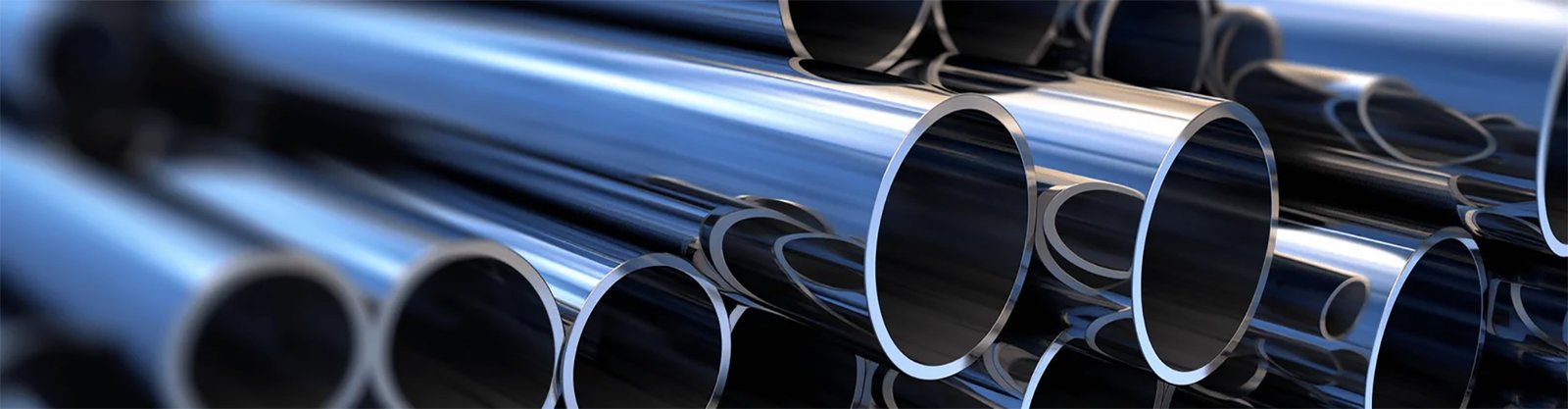
In the vastness of space, where systems must perform without failure under the harshest conditions imaginable, material selection becomes a matter of mission success or failure. Titanium piping has emerged as a cornerstone of structural and fluid systems aboard space stations, thanks to its unmatched balance of strength, lightness, and durability.
As humanity prepares for long-duration space habitation—from the International Space Station (ISS) to future lunar gateways and Martian outposts—the engineering behind piping systems is evolving rapidly. This article explores the latest advances in titanium piping technologies for space stations and highlights how manufacturers like sakyalloy are supporting aerospace innovations with high-performance titanium solutions.
Why Titanium Is the Ideal Piping Material in Space
Titanium’s properties make it an exceptional choice for use in zero-gravity environments:
-
Lightweight with high strength: Titanium alloys like Ti-6Al-4V have excellent strength-to-weight ratios, crucial for launch efficiency.
-
Corrosion resistant: Titanium naturally forms a protective oxide layer, resisting corrosion from recycled water systems and atmospheric elements.
-
Thermal stability: Titanium retains mechanical strength over a wide temperature range, from the cryogenic cold of space to the warmth of active modules.
-
Non-magnetic and biocompatible: Ideal for proximity to sensitive instruments and life support systems.
-
Low outgassing: Essential in maintaining air purity within sealed space environments.
These traits allow titanium pipes to perform reliably in roles where failure is not an option.
Key Applications of Titanium Piping in Space Stations
Titanium piping is integrated into many critical systems aboard orbital platforms:
1. Life Support Systems
Pipes distribute breathable oxygen and remove carbon dioxide. Titanium resists contamination and maintains gas purity, especially in enclosed systems with limited replenishment.
2. Thermal Control Loops
Titanium pipe carries coolants (like ammonia or water-glycol mixtures) through active and passive heat regulation systems. It withstands constant temperature cycling without cracking.
3. Water Recovery and Reuse
In space stations, water is constantly recycled—from condensation, urine, and even sweat. Titanium piping ensures corrosion-free transport of both potable and waste water.
4. Fuel and Propellant Handling
In resupply or maneuvering systems, titanium pipe handles hydrazine, oxygen, or hydrogen with extreme safety, resisting chemical degradation under pressure.
5. Structural Integration
Pipes often double as structural members, supporting equipment and creating rigid connections between modules. Titanium’s rigidity and resistance to fatigue make it ideal for multi-functional use.
Challenges Unique to Space Station Piping
Designing piping systems for a space station introduces several unique challenges:
-
Weight constraints: Every kilogram sent into orbit is costly, so piping must be both light and strong.
-
Limited maintenance: Once in orbit, repairs are difficult or impossible. Piping must be built for decades of reliable use.
-
Temperature extremes: Parts of a station in direct sunlight can reach 120°C, while shaded sections can fall below -150°C. Materials must tolerate these fluctuations.
-
Vibration and launch loads: Piping must survive the intense mechanical stress of launch, including shock and vibration.
Titanium’s performance under these conditions makes it a trusted choice in aerospace engineering.
Recent Engineering Advances in Titanium Piping for Space
Several technological developments are improving the design and functionality of titanium piping for use in space:
1. Additive Manufacturing of Custom Pipe Fittings
3D printing allows for one-piece titanium components with integrated valves, bends, and flanges. This reduces weld points, minimizes leaks, and customizes design for tight module spaces.
2. Surface Treatment for Longer Life
Advanced passivation and nano-coating techniques are being developed to enhance corrosion resistance and reduce microbial growth inside fluid lines.
3. Flexible Titanium Piping Systems
New forming techniques have made it possible to bend titanium pipe for flexible connections between mobile structures inside a station, accommodating movement without breakage.
4. Embedded Sensors in Piping Walls
Researchers are embedding thin-film pressure and temperature sensors directly onto titanium piping, enabling real-time diagnostics of fluid systems without bulky external units.
5. Cryogenic Piping Developments
High-purity titanium piping with improved weld joints is now used for cryogenic fuel transfer in resupply missions and potential lunar habitats, supporting systems using liquid oxygen or methane.
Case Study: Titanium Piping in the ISS Water Recovery System
One of the best-known uses of titanium pipe is in the International Space Station’s Water Recovery System (WRS). This system reclaims 93–98% of onboard water and relies heavily on titanium for its piping network.
-
Titanium piping ensures corrosion resistance despite constant exposure to chemically treated fluids.
-
It remains dimensionally stable during rapid thermal shifts.
-
Its light weight reduces the system’s launch mass, while its durability ensures years of maintenance-free operation.
The WRS sets a precedent for how titanium piping can be used in future deep-space habitats, where water recovery will be even more vital.
The Role of sakyalloy in Supporting Aerospace Titanium Pipe Solutions
sakyalloy has been at the forefront of supplying aerospace-grade titanium piping for high-performance and high-reliability applications. Our capabilities include:
-
Manufacturing of seamless and welded titanium pipe to ASTM B861 and AMS 4942 standards.
-
Supply of titanium alloys including Gr2, Gr5, and Gr9, suitable for various thermal and chemical demands.
-
Collaboration with OEMs and space agencies on custom geometries, lightweight pipe solutions, and precision fittings.
-
Providing titanium pipes that are clean-room ready, with low outgassing and traceability down to raw material batches.
For space station engineers seeking reliability, strength, and innovation, sakyalloy is a trusted material partner.
What’s Next for Titanium Pipe in Space?
Looking ahead, the role of titanium piping will expand with future orbital and planetary installations:
-
Lunar bases will require corrosion-proof titanium piping for oxygen generation, fuel production, and thermal regulation.
-
Mars habitats will depend on titanium systems that can survive high radiation and temperature fluctuations.
-
Modular stations may use titanium pipe as both functional conduit and structural connectors.
-
Closed-loop biospheres will rely on titanium’s chemical inertness in long-term life support cycles.
With developments in smart coatings, additive manufacturing, and sensor integration, titanium pipes will not just carry fluids—they will think, react, and self-diagnose as intelligent systems.
Conclusion
Titanium piping is no longer just a component—it’s a lifeline in space station engineering. Its unmatched material properties, combined with cutting-edge manufacturing techniques, make it essential to modern and future orbital infrastructure.
As we move toward a new space era—defined by lunar exploration, Martian colonization, and long-duration orbital life—titanium piping systems will form the arteries of sustainable space habitats. And with trusted suppliers like sakyalloy, engineers and mission designers have the material support they need to reach for the stars.