
Titanium Plate and Sheet: How to Choose Grade and Thickness
Introduction
Titanium Plate and Sheet are flat titanium products used for corrosion-resistant equipment, aerospace components, medical devices, marine parts, heat exchangers, chemical tanks, pressure vessels, anodes, machined parts and lightweight structures. To specify titanium plate or sheet correctly, buyers should confirm the titanium grade, thickness, width, length, standard, surface finish, tolerance, flatness, heat treatment condition, EN 10204 3.1 MTC, PMI testing, UT testing where required, heat number traceability, packaging method and delivery schedule. In simple terms, choose Grade 2 for general corrosion resistance and weldability, Grade 5 Ti-6Al-4V for high strength, Grade 7 for improved corrosion resistance in reducing acid environments, Grade 12 for higher strength with good corrosion resistance, and Grade 23 for medical-grade ELI requirements.
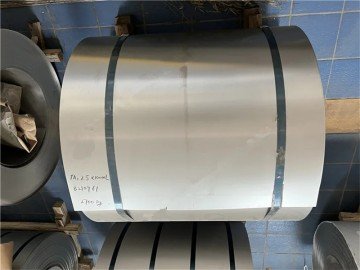
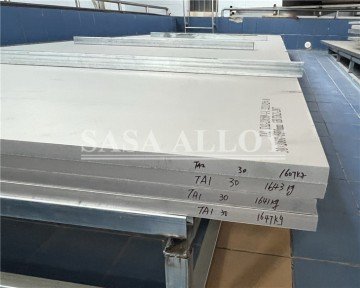
Titanium plate usually refers to thicker flat titanium material used for structural, machined or pressure-related components, while titanium sheet is generally thinner and used for forming, fabrication, covers, liners, chemical equipment and lightweight panels. The exact thickness boundary may vary by supplier and standard, so buyers should specify thickness in millimeters or inches rather than relying only on the terms “plate” or “sheet”.
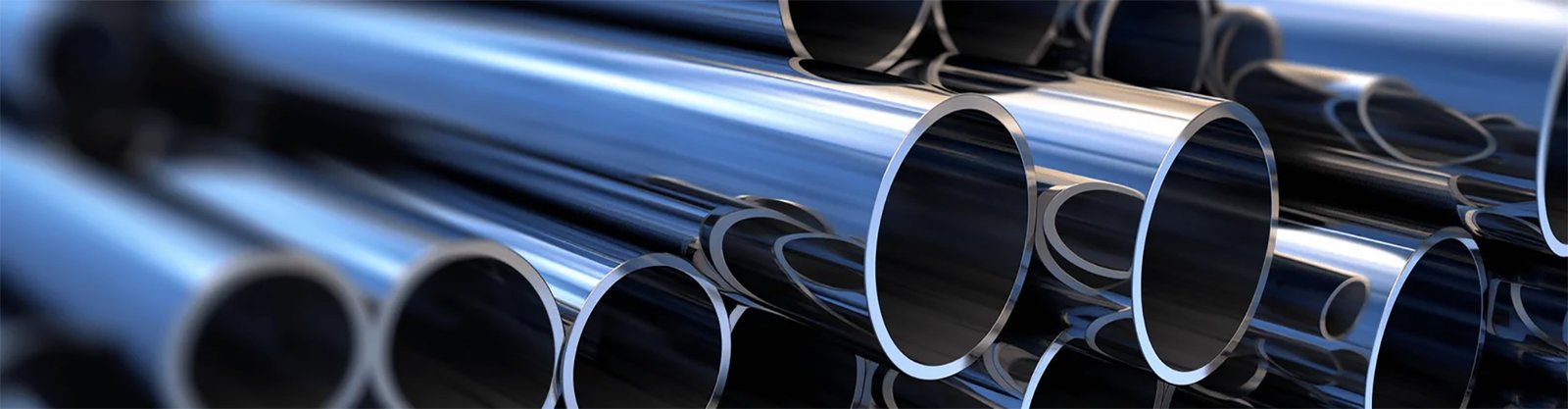
SAKY ALLOY supplies titanium plate, titanium sheet, titanium bar, titanium pipe, titanium tube, titanium wire and titanium forgings for chemical processing, aerospace, marine, medical, energy, oil and gas, heat exchanger and industrial manufacturing applications. This guide explains how to choose titanium grade and thickness, how to compare similar titanium materials, what certificates to request, and how to prepare a clear RFQ for titanium plate and sheet orders.
What Are Titanium Plate and Sheet?
Titanium Plate and Sheet are flat-rolled titanium materials produced from commercially pure titanium or titanium alloys. They are supplied in different grades, thicknesses, widths, lengths and surface conditions. Titanium is valued for its high strength-to-weight ratio, excellent corrosion resistance, good biocompatibility, low density and reliable performance in seawater, chlorides, oxidizing media and many chemical process environments.
Titanium sheet is commonly used for formed parts, liners, covers, lightweight panels, heat exchanger parts and chemical equipment fabrication. Titanium plate is often used for machined parts, pressure components, tube sheets, anodes, aerospace plates, medical blanks, marine plates and heavy-duty industrial components. The final selection depends on grade, thickness, forming requirement, welding requirement, corrosion environment and mechanical load.
Titanium Plate and Sheet Product Data Table
| Item | Details | Buyer Check |
|---|---|---|
| Product Name | Titanium Plate, Titanium Sheet, Titanium Flat Plate, Titanium Alloy Sheet | Specify thickness, width, length and whether it is for machining, forming or fabrication |
| Common Grades | Grade 1, Grade 2, Grade 5, Grade 7, Grade 9, Grade 11, Grade 12, Grade 23 | Confirm grade according to strength, corrosion resistance, forming and standard requirements |
| Common Standards | ASTM B265, ASME SB265, ASTM F136, ASTM F67, AMS 4911, EN 10204 3.1 MTC | Confirm whether the order is industrial, aerospace, medical or pressure-related |
| Thickness Range | Thin sheet, medium plate, thick plate and custom cut plate according to project needs | Confirm tolerance, flatness, cutting method and final machining allowance |
| Surface Finish | Pickled, sandblasted, polished, bright, mill finish, machined, custom surface | Confirm if the part requires welding, forming, machining, visible surface or corrosion service |
| Typical Applications | Chemical equipment, aerospace panels, medical plates, marine parts, heat exchangers, anodes | Provide application media, load condition, temperature and inspection requirements |
Chemical Composition of Common Titanium Plate and Sheet Grades
Titanium plate and sheet can be produced from commercially pure titanium or titanium alloys. Commercially pure grades are mainly selected for corrosion resistance and formability, while alloy grades such as Grade 5 Ti-6Al-4V are selected for strength. Grade 7 and Grade 11 contain palladium for improved corrosion resistance in selected reducing environments, while Grade 12 provides a balance of strength, weldability and corrosion resistance.
| Grade | UNS | Main Composition Feature | Typical Selection Reason |
|---|---|---|---|
| Grade 1 | R50250 | Commercially pure titanium with very low interstitial content | Best formability and ductility for thin sheet and formed components |
| Grade 2 | R50400 | Commercially pure titanium with balanced strength and ductility | Most widely used industrial titanium plate for chemical and marine applications |
| Grade 5 / Ti-6Al-4V | R56400 | Titanium alloy with aluminum and vanadium | High-strength plate for aerospace, machined parts and structural components |
| Grade 7 | R52400 | Commercially pure titanium with palladium addition | Improved corrosion resistance in selected reducing acid environments |
| Grade 12 | R53400 | Titanium with nickel and molybdenum additions | Higher strength than CP titanium with good corrosion resistance and weldability |
| Grade 23 / Ti-6Al-4V ELI | R56407 | Extra low interstitial Ti-6Al-4V alloy | Medical implant-related sheet and plate where ELI control is required |
Mechanical Properties of Titanium Plate and Sheet
Mechanical properties depend strongly on titanium grade, thickness, condition, heat treatment and rolling process. Grade 1 sheet offers excellent formability but lower strength. Grade 2 plate provides a strong balance of corrosion resistance and mechanical performance. Grade 5 titanium plate provides much higher strength and is used when lightweight structural performance is required.
| Grade | Strength Level | Formability | Buyer Selection Note |
|---|---|---|---|
| Grade 1 | Lowest among common titanium grades | Excellent | Choose for deep drawing, forming and thin titanium sheet applications |
| Grade 2 | Medium for commercially pure titanium | Good | Most common choice for industrial titanium plate and sheet |
| Grade 5 | High | Lower than CP titanium | Choose for aerospace plate, structural parts and high-strength machined components |
| Grade 7 | Similar to Grade 2 range depending on condition | Good | Choose for enhanced corrosion resistance in selected chemical service |
| Grade 12 | Higher than Grade 2 | Good | Choose when higher strength and corrosion resistance are both needed |
| Grade 23 | High | Better toughness control than standard Grade 5 | Use for medical-related applications requiring ELI chemistry and documentation |
Applicable Standards and Equivalent Grades
Titanium plate and sheet should be ordered according to the correct standard and grade. ASTM B265 is the most common industrial standard for titanium and titanium alloy strip, sheet and plate. Medical applications may require ASTM F67 or ASTM F136. Aerospace projects may require AMS specifications. Buyers should confirm the standard before quotation because chemical limits, mechanical properties and testing requirements may differ.
| Standard / Grade | Description | Common Procurement Use |
|---|---|---|
| ASTM B265 | Titanium and titanium alloy strip, sheet and plate specification | Industrial titanium plate and sheet procurement |
| ASME SB265 | ASME version commonly used for pressure-related applications | Pressure equipment, chemical tanks and project-specific fabrication |
| ASTM F67 | Unalloyed titanium for surgical implant applications | Medical-grade commercially pure titanium products where applicable |
| ASTM F136 | Ti-6Al-4V ELI alloy for surgical implant applications | Grade 23 medical-related sheet, plate or machined blanks |
| AMS 4911 | Common aerospace titanium alloy sheet, strip and plate specification for Ti-6Al-4V products | Aerospace titanium plate and sheet projects requiring AMS compliance |
| EN / GB / JIS References | EN 3.7035, EN 3.7165, GB TA2, GB TC4 and related designations | International drawings, equivalent grade comparison and China-origin supply |
Quality Testing and Material Traceability
Titanium plate and sheet are often used in critical corrosion, aerospace, medical and pressure-related applications, so material traceability is essential. The heat number on the plate or sheet marking, product label, packing list and EN 10204 3.1 MTC should match. Buyers should verify chemical composition, mechanical properties, thickness, flatness, surface condition and any required inspection reports before shipment.
Certificate and Inspection Checklist
| Inspection / Document Item | What to Check | Why It Matters |
|---|---|---|
| EN 10204 3.1 MTC | Grade, UNS number, standard, heat number, chemical composition, mechanical properties, thickness and size | Confirms batch-specific quality and supports project documentation |
| Heat Number Control | Heat number on plate/sheet marking, label, packing list and MTC must match | Prevents mixed material and supports full traceability |
| PMI Testing | Verify titanium grade and alloying elements such as Al, V, Pd, Ni or Mo where applicable | Helps distinguish Grade 2, Grade 5, Grade 7, Grade 12 and Grade 23 |
| UT Testing | Check internal soundness for thicker titanium plates where required | Important for machined parts, aerospace plates and pressure-related applications |
| Dimensional Inspection | Thickness, width, length, flatness, diagonal, edge condition and cutting tolerance | Ensures machining, fabrication, nesting and installation requirements are met |
| Surface Inspection | Check scratches, pits, oxide scale, contamination, dents and surface defects | Critical for welding, forming, medical, aerospace and corrosion service |
| Third-party Inspection | SGS, BV, TUV, Intertek or customer-appointed inspection before shipment | Provides additional confidence for export orders and critical projects |
Comparison With Similar Titanium Products
Titanium plate and sheet are often compared with titanium bar, titanium pipe, titanium tube, titanium strip and titanium forgings. The correct product form depends on whether the part will be formed, welded, machined, rolled, cut, fabricated or used as a flat corrosion-resistant surface.
| Product Form | Main Advantage | Common Use | Buyer Selection Note |
|---|---|---|---|
| Titanium Sheet | Thin, formable and lightweight | Panels, liners, formed parts, covers and light fabrication | Choose when bending, forming or thin-wall fabrication is needed |
| Titanium Plate | Thicker flat product for machining and structural use | Machined parts, tube sheets, pressure components and equipment plates | Choose when thickness, rigidity and machining allowance are required |
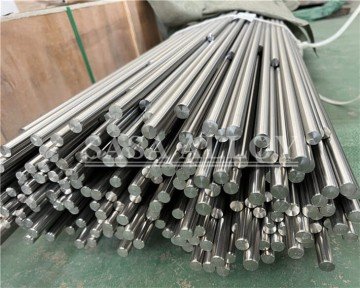
| Titanium Bar | Round, square or flat stock for machining | Shafts, bolts, rods, pins, valve parts and CNC components | Use when the final component is a rod, shaft or machined cylindrical part |
| Titanium Pipe and Tube | Hollow product for fluid, heat transfer and structural systems | Heat exchangers, condensers, chemical piping and marine systems | Choose for fluid flow, heat transfer or tube bundle applications |
| Titanium Forging | Improved grain flow and high structural reliability | Rings, discs, shafts, aerospace parts and high-load components | Use when forged grain flow or near-net shape is required |
Industrial Applications of Titanium Plate and Sheet
Titanium plate and sheet are used across industries where corrosion resistance, low weight, strength, biocompatibility and long service life are required. The correct grade and thickness depend on the application scenario, forming method, welding requirement and operating environment.
| Application Scenario | Recommended Grades | Typical Components | Why Titanium Is Used |
|---|---|---|---|
| Chemical Processing | Grade 2, Grade 7, Grade 12 | Tank liners, vessel plates, tube sheets, anodes and equipment panels | Excellent corrosion resistance in many chloride and chemical environments |
| Aerospace | Grade 5, Grade 23, AMS titanium alloys | Panels, structural plates, machined blanks and lightweight components | High strength-to-weight ratio and reliable mechanical performance |
| Marine Engineering | Grade 2, Grade 5, Grade 12 | Marine plates, covers, heat exchanger plates, brackets and fastener blanks | Seawater corrosion resistance and lightweight performance |
| Medical and Surgical Devices | Grade 2, Grade 5, Grade 23 | Implant-related blanks, plates, instruments and medical components | Biocompatibility, corrosion resistance and strong traceability requirements |
| Heat Exchangers | Grade 2, Grade 7, Grade 12 | Tube sheets, plates, baffles, covers and process equipment parts | Excellent resistance in seawater, chlorides and many process fluids |
| Industrial Fabrication | Grade 1, Grade 2, Grade 5 | Covers, shields, panels, machined plates and formed parts | Lightweight strength, corrosion resistance and long service life |
Why Choose the Right Grade and Thickness?
Choosing the correct titanium grade and thickness directly affects material performance, machining cost, fabrication yield, welding result and service life. A thinner sheet may be suitable for forming and lightweight panels, while thicker plate may be required for machining, pressure equipment, tube sheets or structural support. The grade determines corrosion resistance, strength, ductility, weldability and price.
Grade and Thickness Selection Checklist
| Selection Factor | Recommended Buyer Check |
|---|---|
| Application Environment | Confirm seawater, chloride, acid, medical, aerospace, heat exchanger or general industrial use |
| Grade | Choose Grade 2 for general corrosion resistance, Grade 5 for strength, Grade 7 or 12 for more demanding corrosion service, Grade 23 for medical ELI needs |
| Thickness | Specify exact thickness, tolerance, flatness and whether machining allowance is required |
| Surface Finish | Confirm pickled, sandblasted, polished, bright, machined or custom surface condition |
| Standard and Certificate | Request ASTM B265, ASME SB265, AMS, ASTM F136 or project-specific standard with EN 10204 3.1 MTC |
| Cutting and Packaging | Confirm waterjet, laser, shearing, sawing, protective film, wooden case and export packing requirements |
Common Buyer Mistakes
Common buyer mistakes include ordering “titanium plate” without specifying grade, using Grade 5 when Grade 2 is enough, using Grade 2 when high strength is required, not confirming thickness tolerance, ignoring flatness for machining, accepting unclear MTCs, and forgetting to specify surface finish or cutting method. For medical or aerospace applications, buyers should also avoid replacing ASTM F136 or AMS requirements with general industrial ASTM B265 material unless the project owner allows it.
To avoid specification mistakes, buyers should provide drawings, service media, final part use, thickness, width, length, tolerance, grade, standard, certificate requirement, surface requirement and packaging details in the RFQ. This allows the supplier to recommend the correct titanium plate or sheet without unnecessary delays.
Surface Finish, Cutting and Export Packaging
Titanium plate and sheet can be supplied with pickled, sandblasted, polished, bright, machined, brushed or custom surface finish. For welded chemical equipment, surface cleanliness and oxide removal are important. For medical or aerospace components, surface defects, scratches and contamination must be controlled more strictly.
Cutting services may include shearing, sawing, waterjet cutting, laser cutting, plasma cutting, milling and custom cut-to-size supply depending on thickness and tolerance requirements. Export packaging should protect titanium flat products from scratches, moisture, bending and contamination. Common packaging includes protective film, paper separation, wooden pallets, wooden cases, steel strip binding, edge protection and clear heat number labels.
Related Titanium Products
SAKY ALLOY supplies titanium plate and sheet as well as related titanium products for chemical processing, aerospace, marine, medical, energy and industrial machining applications. Buyers can select the correct product form according to design drawings, fabrication method and inspection requirements.
| Product | Common Grades | Typical Use |
|---|---|---|
| Titanium Plate | Grade 1, Grade 2, Grade 5, Grade 7, Grade 12, Grade 23 | Chemical equipment, aerospace plates, medical blanks, marine parts and machined components |
| Titanium Bar | Grade 1, Grade 2, Grade 5, Grade 7, Grade 9, Grade 23 | Shafts, rods, fasteners, CNC parts, valve parts and precision components |
| Titanium Pipe and Tube | Grade 1, Grade 2, Grade 7, Grade 9, Grade 12 | Heat exchangers, condensers, chemical piping, marine systems and process equipment |
| Titanium Wire | Grade 1, Grade 2, Grade 5, Grade 23 | Medical wire, welding wire, springs, mesh, fasteners and precision wire products |
| Titanium Forging | Grade 2, Grade 5, Grade 23 and project-specific grades | Forged rings, discs, blocks, shafts and high-strength custom components |
FAQ About Titanium Plate and Sheet
1. What are titanium plate and sheet used for?
Titanium plate and sheet are used for chemical equipment, aerospace components, marine parts, heat exchangers, medical devices, anodes, tank liners, machined parts, pressure components, lightweight panels and corrosion-resistant industrial fabrication.
2. What is the difference between titanium plate and titanium sheet?
Titanium sheet usually refers to thinner flat titanium material used for forming, panels, liners and light fabrication. Titanium plate usually refers to thicker flat titanium material used for machining, structural parts, tube sheets and pressure-related equipment. Buyers should always specify exact thickness and tolerance.
3. Which titanium grade should I choose?
Grade 2 is the most common choice for industrial corrosion resistance and weldability. Grade 1 is preferred for deep forming. Grade 5 Ti-6Al-4V is preferred for high strength. Grade 7 is used for enhanced corrosion resistance in selected chemical environments. Grade 23 is used for medical-related applications requiring ELI chemistry.
4. What standard is used for titanium plate and sheet?
ASTM B265 is commonly used for titanium and titanium alloy strip, sheet and plate. ASME SB265 may be used for pressure-related applications. Medical applications may require ASTM F67 or ASTM F136. Aerospace projects may require AMS specifications such as AMS 4911.
5. What certificate should buyers request?
Buyers should request EN 10204 3.1 MTC showing grade, UNS number, standard, heat number, chemical composition, mechanical properties, thickness, size and delivery condition. PMI testing, UT testing, dimensional inspection and third-party inspection may also be required for critical projects.
6. Can titanium plate and sheet be welded?
Yes, many titanium grades can be welded, especially commercially pure grades such as Grade 1 and Grade 2. However, titanium welding requires clean surfaces, proper shielding gas and strict contamination control. For Grade 5 and other alloys, welding procedures should be confirmed by the project requirement.
7. What information is needed for a fast quotation?
A complete RFQ should include titanium grade, standard, thickness, width, length, quantity, tolerance, surface finish, cutting requirement, certificate requirement, destination port and packing requirement. For example: ASTM B265 Grade 2 titanium plate, thickness 6 mm, width 1000 mm, length 2000 mm, pickled surface, EN 10204 3.1 MTC and PMI testing required.
Conclusion
Titanium Plate and Sheet are important flat titanium materials used in chemical processing, aerospace, marine, medical, heat exchanger and industrial fabrication applications. The correct selection depends on grade, thickness, standard, surface finish, corrosion environment, forming requirement, mechanical load and certificate requirement.
For successful procurement, buyers should confirm the titanium grade, ASTM or AMS standard, thickness, tolerance, flatness, surface finish, EN 10204 3.1 MTC, heat number control, PMI testing, UT testing where required, dimensional inspection and export packaging. A professional titanium supplier should help buyers compare Grade 1, Grade 2, Grade 5, Grade 7, Grade 12 and Grade 23 according to actual project requirements.
Call To Action
Contact SAKY ALLOY for Titanium Plate and Sheet, Grade 2 titanium plate, Grade 5 titanium sheet, titanium bar, titanium pipe, titanium wire, titanium forging and customized titanium alloy products. We can support ASTM B265, ASME SB265, ASTM F136, ASTM F67, AMS specifications, EN 10204 3.1 MTC, PMI testing, UT testing, customized sizes, cutting service, surface finish, third-party inspection, export packaging and delivery support.
Send your required grade, standard, thickness, width, length, quantity, surface condition, cutting method and certificate requirements to our technical team. We can help you choose the right titanium grade and thickness, provide quotation and arrange reliable titanium plate and sheet supply solutions for your project.