
Titanium Profiles VS Steel Profiles
In the world of engineering, construction, aerospace, and manufacturing, profiles—structural sections such as beams, angles, channels, and custom extrusions—play a vital role in building strength, stability, and durability into projects. Among the most commonly used materials for profiles are titanium and steel. Both metals offer significant benefits, but they differ greatly in terms of strength, weight, corrosion resistance, cost, and applications.
This article provides a comprehensive comparison of Titanium Profiles vs. Steel Profiles, examining their properties, advantages, limitations, and industry-specific uses.
What Are Titanium Profiles?
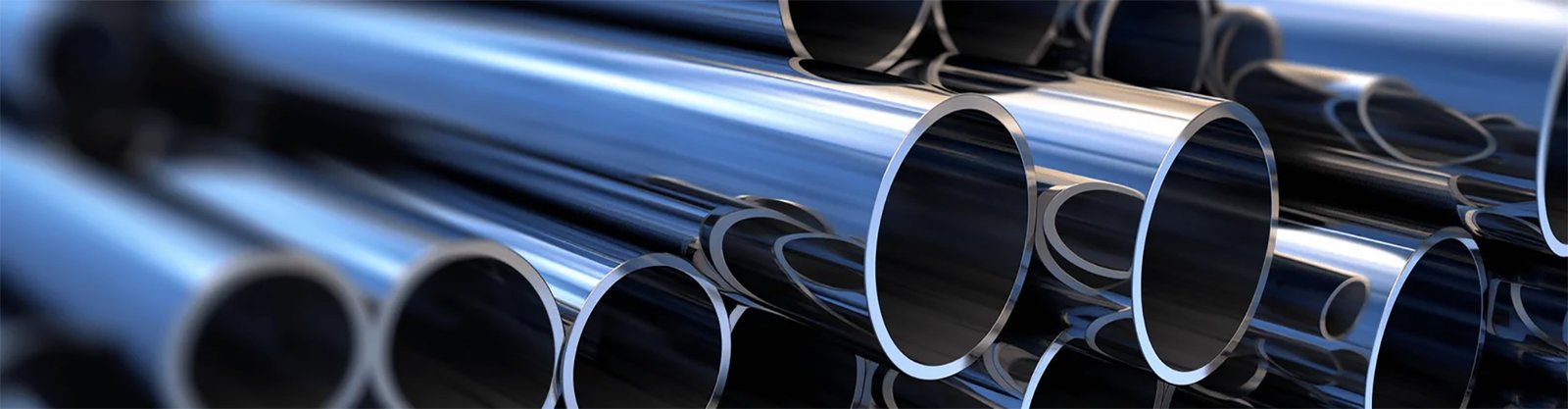
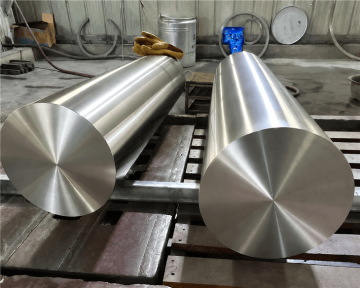
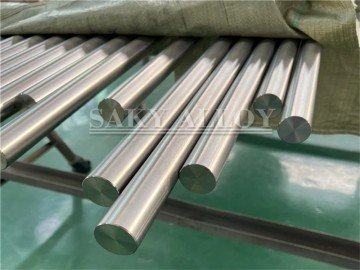
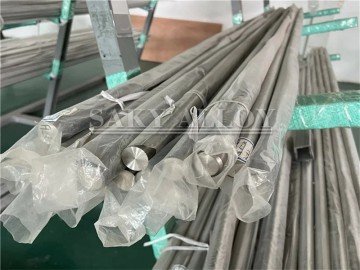
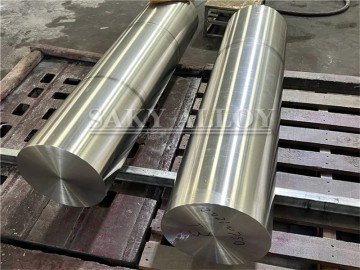
Titanium profiles are structural sections made from commercially pure titanium or titanium alloys. These profiles can be manufactured through extrusion, machining, or forging, depending on the application.
Key Features of Titanium Profiles:
-
Lightweight yet strong
-
Outstanding corrosion resistance in seawater, acids, and harsh environments
-
High strength-to-weight ratio
-
Excellent biocompatibility
-
Performance at elevated temperatures
Common Titanium Grades for Profiles:
-
Grade 1 & 2 (Commercially Pure): High corrosion resistance, good formability
-
Grade 5 (Ti-6Al-4V): High strength, widely used in aerospace and medical industries
What Are Steel Profiles?
Steel profiles are structural sections made from carbon steel, stainless steel, or alloy steels. They are widely available and used across industries due to their versatility and cost-effectiveness.
Key Features of Steel Profiles:
-
High strength and durability
-
Wide availability and lower cost
-
Different types available: Carbon steel, stainless steel, tool steel, alloy steel
-
Good machinability and weldability
-
Recyclable and sustainable
Common Types of Steel Profiles:
-
Carbon Steel Profiles: Used in construction and heavy machinery
-
Stainless Steel Profiles: High corrosion resistance for chemical, food, and marine industries
-
Alloy Steel Profiles: Enhanced strength for aerospace and automotive sectors
Titanium Profiles vs Steel Profiles: A Detailed Comparison
1. Strength-to-Weight Ratio
-
Titanium: Almost as strong as high-grade steel but only 45% of the weight. Ideal for aerospace, automotive, and marine applications where weight reduction is critical.
-
Steel: Higher absolute strength than titanium in many grades, but significantly heavier. More suitable for structural applications where weight is less of a concern.
Winner: Titanium for lightweight applications; Steel for absolute load-bearing capacity.
2. Corrosion Resistance
-
Titanium: Exceptional resistance to seawater, chlorine, and most acids. Maintains performance even in harsh marine or chemical environments.
-
Steel:
-
Carbon steel corrodes easily without coatings.
-
Stainless steel offers good corrosion resistance but can still be vulnerable to chloride pitting.
-
Winner: Titanium by a wide margin, especially in chemical and marine industries.
3. Temperature Performance
-
Titanium: Maintains strength up to 600°C (1112°F).
-
Steel: Alloy steels can handle higher temperatures, but stainless steel loses strength above 550°C.
Winner: Depends on alloy, but titanium is superior for high-performance applications with moderate elevated temperatures.
4. Fabrication and Machinability
-
Titanium: More difficult to machine due to low thermal conductivity and work hardening. Requires special tools and expertise.
-
Steel: Easier to fabricate and weld. Established infrastructure makes it the go-to choice for mass production.
Winner: Steel for fabrication efficiency; Titanium for specialty applications.
5. Cost
-
Titanium: More expensive due to extraction and processing costs.
-
Steel: Widely available and significantly cheaper.
Winner: Steel for cost-sensitive projects; Titanium for performance-critical industries.
6. Applications
Titanium Profiles
-
Aerospace frames, landing gear, and structural supports
-
Marine and offshore structures such as seawater pipelines and propeller shafts
-
Chemical processing equipment
-
Medical implants and surgical tools
-
High-performance automotive and motorsport parts
Steel Profiles
-
Skyscraper and bridge construction
-
Pipelines and industrial equipment
-
Automotive chassis and heavy machinery
-
Railways and shipbuilding
-
Consumer appliances and infrastructure
Sustainability and Recycling
Both titanium and steel are recyclable, but their environmental footprints differ:
-
Titanium: Recycling titanium saves significant energy, but the recycling process is less developed compared to steel.
-
Steel: One of the most recycled materials worldwide, making it highly sustainable.
Real-World Case Study Comparison
-
Aerospace:
-
Titanium profiles are preferred due to weight savings and corrosion resistance.
-
Steel is used in less critical areas where cost efficiency is important.
-
-
Marine Industry:
-
Titanium outperforms steel in seawater due to corrosion resistance.
-
Stainless steel may be used but requires frequent maintenance.
-
-
Construction:
-
Steel remains the dominant choice due to cost-effectiveness and ease of fabrication.
-
Titanium is rarely used in large structures due to high material costs.
-
Pros and Cons Summary
Titanium Profiles
Pros:
-
High strength-to-weight ratio
-
Outstanding corrosion resistance
-
Biocompatibility
-
Long service life
Cons:
-
Expensive
-
Difficult to machine and fabricate
-
Limited availability compared to steel
Steel Profiles
Pros:
-
High absolute strength
-
Easy fabrication and welding
-
Cost-effective and widely available
-
Recyclable
Cons:
-
Heavier than titanium
-
Lower corrosion resistance
-
May lose strength at elevated temperatures
Conclusion
Both Titanium Profiles and Steel Profiles play crucial roles in global industries. Titanium is the material of choice for high-performance applications where weight savings, corrosion resistance, and durability are essential, such as aerospace, marine, and medical industries. On the other hand, steel dominates construction, infrastructure, and cost-sensitive industries due to its strength, affordability, and ease of fabrication.
For businesses requiring advanced titanium materials, sakyalloy provides high-quality titanium profiles tailored for demanding industries such as aerospace, marine, and chemical processing. With global supply capability and strict quality control, sakyalloy ensures customers receive durable and efficient solutions. Trusted worldwide, sakyalloy helps industries balance performance and cost in critical projects.
By understanding the differences between Titanium Profiles and Steel Profiles, engineers and decision-makers can select the right material for their projects, ensuring safety, performance, and long-term value.