
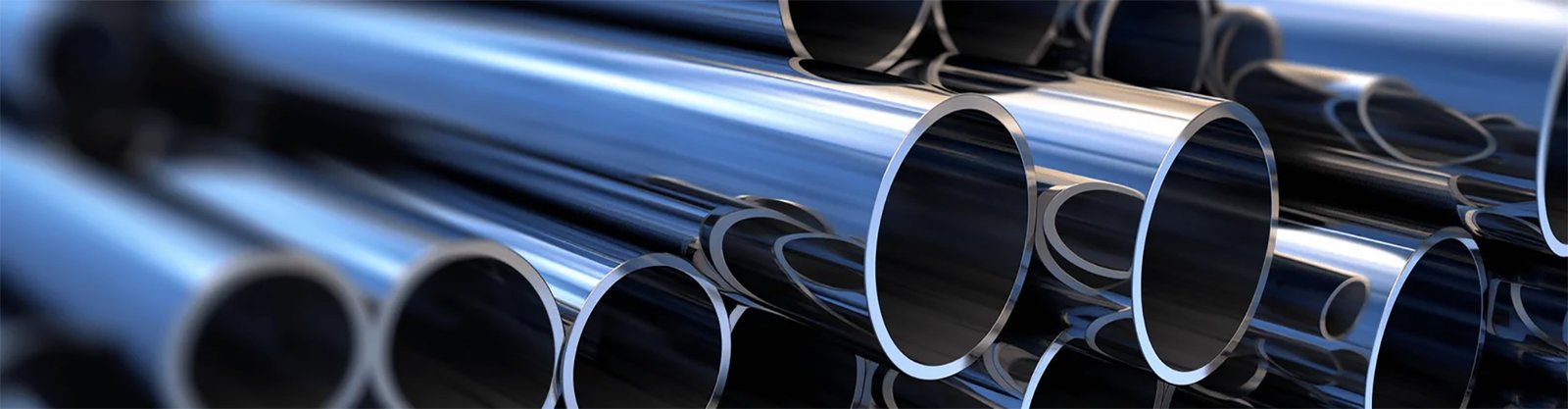
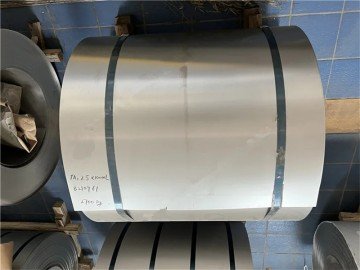
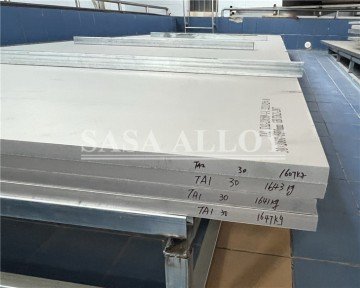
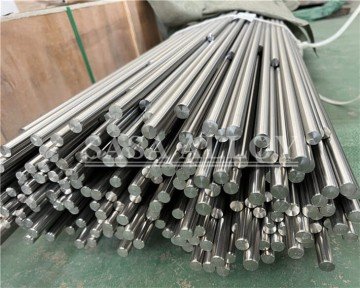
Titanium Surface Finish: Pickling, Polishing and Sandblasting
Introduction
Titanium surface finish describes the texture, cleanliness, appearance and roughness of a titanium plate, sheet, bar, pipe, tube, wire, fitting or machined component after manufacturing and surface treatment. Pickling removes oxide scale and surface contamination, polishing reduces roughness and improves cleanability or appearance, while sandblasting creates a uniform matte texture and can prepare the surface for further processing.
The correct finish should be selected according to the product form and application. Pickled titanium is commonly used for chemical equipment, heat exchangers and industrial fabrication. Polished titanium is chosen for medical, food-processing, architectural and precision applications requiring a smoother surface. Sandblasted titanium is suitable for uniform matte appearance, coating preparation and components where reflected light or visible processing marks should be reduced.
Direct specification guidance:
• State the titanium grade, product standard and product form before specifying the finish.
• Use “pickled” when oxide removal and a clean industrial surface are the main requirements.
• Use a defined roughness value such as Ra rather than writing only “polished.”
• Specify abrasive material, grit range and cleanliness requirements for sandblasted surfaces.
• Request surface photographs, roughness reports and cleaning records when appearance or process cleanliness is critical.
Titanium Surface Finish Product Data
| Specification Item | Available Options | Buyer Instruction |
|---|---|---|
| Common Grades | Grade 1, Grade 2, Grade 3, Grade 4, Grade 5, Grade 7, Grade 9, Grade 12 and Grade 23 | Confirm whether the finish process is suitable for the exact grade and service. |
| Product Forms | Plate, sheet, strip, bar, rod, pipe, tube, wire, fitting and forging | Surface methods and measurable areas vary by product geometry. |
| Industrial Finishes | As-rolled, descaled, pickled, ground, machined, bright or sandblasted | Define visible defects, oxide condition and cleaning requirements. |
| Polished Finishes | Brushed, satin, fine polished, mechanical polished or mirror polished | State the required Ra value, polishing direction and acceptable appearance. |
| Supply Condition | Annealed, solution treated, stress relieved, cold worked or customer specified | Surface treatment must not be confused with the metallurgical condition. |
| Inspection Options | Visual inspection, roughness testing, dimensional inspection, cleanliness check and surface-defect examination | Agree on method, sampling rate and acceptance limits before production. |
Pickled Titanium Surface
Pickling is a chemical surface-treatment process used to remove heat-treatment scale, oxide layers, embedded contamination and selected surface reaction layers. The process normally follows degreasing or mechanical descaling so that oil, shop soil and heavy oxide do not interfere with acid treatment.
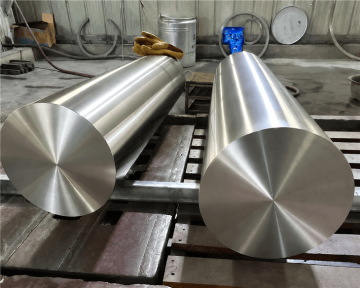
A properly pickled titanium surface usually has a clean, uniform gray or silver-gray appearance. It is not intended to provide a mirror finish. Slight variation in color and texture may remain because pickling follows the original rolling, forming or machining condition of the material.
Where Pickled Titanium Is Used
Pickled titanium is widely selected for chemical-processing vessels, desalination equipment, condenser tubes, heat exchangers, piping systems, marine structures and welded fabrication. These applications normally prioritize oxide removal, corrosion-resistant cleanliness and weld preparation over decorative appearance.
Pickling Limitations
An uncontrolled pickling process can remove excessive base metal, alter dimensions or introduce an uneven surface. Acid residues must be removed through suitable rinsing and drying. The supplier should also control bath condition, treatment time and final cleanliness to reduce the risk of surface damage or hydrogen-related concerns.
Polished Titanium Surface
Polishing uses progressively finer abrasives, belts, wheels or compounds to remove surface peaks and produce a smoother finish. The process may be applied to titanium sheet, plate, bar, tube and finished components. The required result can range from a directional brushed finish to a reflective mirror-polished surface.
The term “polished” is not a complete technical specification. Two suppliers may both describe a product as polished while delivering visibly different textures and roughness levels. Buyers should define the maximum Ra value, measurement direction, sampling locations and visual reference standard.
| Polished Finish | General Appearance | Typical Application |
|---|---|---|
| Ground Finish | Visible abrasive pattern with improved dimensional consistency | Bars, shafts, sealing areas and precision-machined parts. |
| Brushed or Satin Finish | Uniform directional grain with low reflectivity | Architectural panels, consumer products and visible equipment surfaces. |
| Fine Mechanical Polish | Smooth surface with reduced machining or rolling marks | Food, pharmaceutical, laboratory and clean-process equipment. |
| Mirror Polish | Highly reflective finish with very fine surface texture | Decorative products, medical components and high-cleanliness applications. |
Why Roughness Direction Matters
A directional polishing pattern can produce different roughness readings when measured parallel and perpendicular to the grain. For tubes, the purchaser should also state whether the requirement applies to the outside surface, inside surface or both. Internal tube roughness may require specialized measuring equipment or representative samples.
Sandblasted Titanium Surface
Sandblasting propels abrasive media against the titanium surface to remove light oxide, blend visual variations and create a uniform matte texture. Depending on the media, pressure and grit size, the process may produce a fine satin appearance or a noticeably roughened surface.
The term “sandblasted” is commonly used, but the actual abrasive should be specified. Clean aluminum oxide, glass bead, ceramic media or another approved nonferrous abrasive may be used according to the required finish. Abrasives previously used on carbon steel should be avoided because transferred iron contamination can affect appearance and surface cleanliness.
Common Sandblasting Applications
Sandblasted titanium is used for architectural panels, equipment covers, fabricated chemical components, coating substrates, consumer products and machined parts requiring a nonreflective appearance. It can also be used before pickling to help remove heavy oxide or reaction layers, provided the complete treatment process is properly controlled.
Sandblasting Limitations
A blasted surface has higher roughness than a polished surface and can retain soil more easily in clean-process service. Excessive blasting can change thin-wall dimensions, round edges or produce inconsistent appearance. The abrasive type, grit size, air pressure, nozzle distance and final cleaning method should therefore be agreed in advance.
Pickling vs Polishing vs Sandblasting
| Comparison | Pickling | Polishing | Sandblasting |
|---|---|---|---|
| Primary Purpose | Remove scale, oxides and contamination | Reduce roughness and improve appearance or cleanability | Create a uniform matte texture or prepare the surface |
| Typical Appearance | Gray or silver-gray industrial surface | Directional satin to mirror reflective | Uniform matte or frosted surface |
| Roughness Direction | Depends on the original base surface and acid process | Generally lowest of the three when finely polished | Generally higher and controlled by abrasive parameters |
| Best Use | Chemical, marine and heat-exchanger fabrication | Medical, food, architectural and clean-process equipment | Matte appearance, coating preparation and visual blending |
| Main Purchasing Risk | Over-pickling, residue or dimensional loss | Undefined roughness or inconsistent polishing direction | Abrasive contamination or excessive roughness |
Standards and Certificate Requirements
ASTM B600 provides guidance for descaling and cleaning titanium and titanium-alloy surfaces, including removal of shop soils, oxides, scale and foreign contamination. It is especially relevant when heat-treated or fabricated titanium requires controlled cleaning before inspection, welding, assembly or further surface processing.
The base material must also comply with the correct product specification. Common examples include ASTM B265 for titanium strip, sheet and plate, ASTM B348/B348M for bar and billet, ASTM B338 for heat-exchanger tubing, ASTM B861 for seamless pipe and ASTM B862 for welded pipe.
| Document | What It Should Confirm |
|---|---|
| EN 10204 3.1 MTC | Grade, heat number, product standard, dimensions, chemistry, mechanical properties and delivery condition. |
| Surface Inspection Report | Finish type, inspected surfaces, visual result, defects and sampling quantity. |
| Roughness Report | Ra or another required parameter, instrument, cut-off length, measurement direction and test locations. |
| Cleaning or Pickling Record | Treatment route, batch identification, final rinsing, visual condition and authorized release. |
| Dimensional Report | Final dimensions after grinding, polishing, blasting or chemical material removal. |
Selecting a Finish by Application
| Application | Recommended Starting Finish | Selection Reason |
|---|---|---|
| Chemical Process Vessel | Descaled and pickled | Removes scale and contamination before fabrication or service. |
| Heat-Exchanger Tube | Pickled, bright or controlled smooth finish | Supports cleanliness, inspection and controlled flow surfaces. |
| Medical Component | Fine polished to a defined Ra value | Reduces roughness and supports cleaning and component-specific finishing. |
| Architectural Panel | Brushed, satin or fine sandblasted | Provides a consistent decorative appearance and reduced glare. |
| Precision Shaft | Ground and polished | Controls diameter, roughness, straightness and sealing performance. |
| Coating or Bonding Substrate | Controlled sandblasted finish | Creates a reproducible texture for subsequent coating or bonding procedures. |
How to Specify Titanium Surface Finish
A reliable inquiry should connect the finish requirement to the exact product and inspection method. A practical RFQ should include:
✅ Titanium grade and UNS designation.
✅ ASTM, ASME, AMS, ISO or customer product standard.
✅ Plate, sheet, bar, pipe, tube, fitting or finished component.
✅ Final dimensions and dimensional tolerances.
✅ Pickled, brushed, polished, mirror polished or sandblasted finish.
✅ Maximum Ra value and applicable measured surfaces.
✅ Polishing direction or approved visual sample.
✅ Blasting abrasive type, grit range and acceptable matte appearance.
✅ Maximum permitted scratches, pits, dents and discoloration.
✅ Cleaning, rinsing and contamination-control requirements.
✅ EN 10204 3.1 MTC and surface inspection reports.
✅ Protective film, wrapping, handling and export-packaging requirements.
Common Buyer Mistakes
Writing only “polished surface”: This does not define roughness, polishing direction, appearance or which surfaces must be processed.
Confusing pickling with polishing: Pickling removes scale chemically, while polishing mechanically smooths the surface. A pickled product is not automatically smooth or reflective.
Specifying sandblasting without identifying the abrasive: Different media produce different roughness and contamination risks.
Ignoring final dimensions: Grinding, polishing and pickling remove material. Tight tolerances must be measured after the finishing process.
Requesting a mirror finish on an unsuitable base surface: Deep scratches, pits and heavy rolling marks may require additional grinding and can increase cost or reduce thickness.
Accepting carbon-steel contamination: Shared blasting media, wire brushes or grinding tools can transfer foreign material to titanium surfaces.
Relying only on photographs: Photographs help compare appearance but cannot replace a defined Ra value, dimensional report or cleanliness requirement.
FAQ
What is the most common titanium surface finish?
A descaled and pickled surface is common for industrial titanium plate, sheet, pipe and fabricated equipment. Ground, bright and polished finishes are also widely used for bars, tubes, medical parts and visible components.
Does pickling improve titanium corrosion resistance?
Pickling removes oxide scale, embedded contamination and surface reaction layers that may interfere with fabrication or service. A properly cleaned titanium surface can reform its protective oxide film, but actual corrosion performance still depends on grade, process chemistry, temperature and equipment design.
How should polished titanium be specified?
Specify the maximum Ra value, polished surfaces, measurement direction, polishing pattern, visual reference, allowable defects and final dimensional tolerance. Writing only “bright polished” is usually insufficient.
Can titanium be sandblasted before pickling?
Yes. Mechanical blasting may be used to assist removal of heavy scale before chemical cleaning. The abrasive must be suitable for titanium, and the complete process should prevent embedded contamination and excessive material removal.
What certificate confirms titanium surface finish?
The EN 10204 3.1 MTC confirms the base material and heat traceability. Surface finish is normally confirmed through a separate visual inspection, roughness report, dimensional report or cleaning record linked to the same product and heat number.
Related Titanium Products and Guides
| Related Resource | Procurement Relevance |
|---|---|
| Titanium Plate and Sheet | Titanium flat products available in descaled, pickled, ground, polished and customer-specified surface conditions. |
| Titanium Pipe and Tube | Seamless and welded titanium pipe and tube with pickled, bright, polished or controlled-roughness surfaces. |
| Titanium Bar and Rod | Titanium round, square and hexagonal bars available in black, peeled, turned, ground and polished conditions. |
| How to Read a Titanium Mill Test Certificate | Guidance on titanium grades, product standards, chemistry, mechanical properties and heat-number traceability. |
| Titanium PMI and Chemical Testing | Inspection guidance for preventing titanium grade mix-ups and verifying major alloying and interstitial elements. |
Conclusion
Titanium surface finish affects cleanliness, roughness, appearance, fabrication and suitability for the final application. Pickling is the practical choice for removing scale and contamination from industrial titanium. Polishing is selected when a smooth, cleanable or decorative surface is required. Sandblasting creates a controlled matte texture and can prepare titanium for subsequent processing.
Reliable purchasing requires a measurable specification. Buyers should identify the grade, product standard, final dimensions, finish method, roughness limit, visual requirements, cleaned surfaces and inspection documents. Surface finish should always be evaluated together with base-material certification and heat-number traceability.
Request a Titanium Surface Finish Review
SAKY ALLOY supplies titanium plate, sheet, bar, pipe, tube, wire, fittings and forgings with pickled, sandblasted, ground, bright and polished surface options.
Send the titanium grade, product standard, dimensions, surface finish, maximum Ra, visual requirement, quantity, inspection documents and destination port for technical review and quotation.