
Titanium vs Copper Pipe: Conductivity, Cost & Corrosion
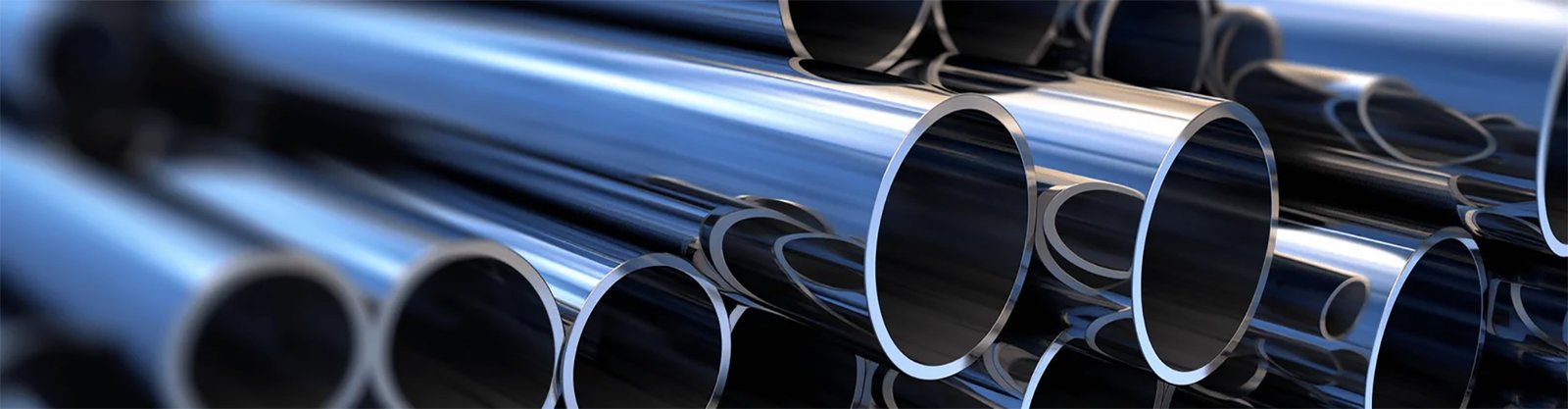
When choosing materials for piping systems, especially in industries like HVAC, chemical processing, and marine engineering, both titanium and copper pipes are common contenders. Each material brings its own strengths and trade-offs in terms of thermal and electrical conductivity, cost, corrosion resistance, and mechanical performance.
This article offers a detailed comparison of titanium pipe vs copper pipe, helping engineers, buyers, and project managers make informed decisions based on their application needs.
Thermal and Electrical Conductivity
Copper is globally recognized for its excellent conductivity:
-
Thermal Conductivity: ~400 W/m·K
-
Electrical Conductivity: ~5.96×10⁷ S/m (second only to silver)
This makes copper pipe ideal for heat exchangers, radiators, and electrical systems where energy transfer efficiency is crucial.
Titanium, on the other hand, has much lower conductivity:
-
Thermal Conductivity: ~21.9 W/m·K
-
Electrical Conductivity: ~2.38×10⁶ S/m
This lower conductivity means titanium is not suitable for applications that rely heavily on heat or electricity transfer. However, in systems where conductivity is not the primary factor, titanium offers other compelling advantages.
At sakyalloy, we help clients determine which pipe material is best suited for their system, whether the priority is heat transfer or structural reliability.
Corrosion Resistance: Titanium Is the Winner
One of titanium’s greatest strengths is its exceptional corrosion resistance. Titanium forms a stable oxide layer that protects it from:
-
Seawater corrosion
-
Chloride-induced pitting
-
Acidic environments (including nitric and sulfuric acid)
-
Industrial gases and oxidizing agents
In contrast, copper resists corrosion in clean water systems and indoor environments but is vulnerable to ammonia, sulfur, and acidic conditions. Over time, copper can develop green patina (copper carbonate), which, while protective in some settings, signals surface degradation.
For marine, offshore, or chemical plant environments, titanium pipe offers unmatched longevity, even without additional coatings or linings.
Mechanical Strength and Durability
Titanium pipe offers superior strength-to-weight ratio, making it ideal for high-pressure applications. It maintains structural stability even at elevated temperatures and under mechanical stress.
Copper is much softer and more malleable, which makes it easy to work with but less durable under extreme conditions. In high-pressure or high-stress environments, copper pipes are more prone to deformation or rupture.
This makes titanium pipe a preferred choice in aerospace, defense, and critical fluid handling systems where failure is not an option.
Weight Considerations
-
Titanium density: ~4.51 g/cm³
-
Copper density: ~8.96 g/cm³
Titanium is about 50% lighter than copper, which reduces overall system weight, transportation costs, and support structure requirements.
This weight advantage is particularly important in industries such as aerospace, marine, and automotive, where every kilogram matters.
Cost Comparison
Copper is more affordable and widely available than titanium. However, its cost fluctuates significantly with the commodities market. In contrast, titanium is more expensive upfront, due to its extraction and fabrication process.
Despite the higher initial investment, titanium offers better long-term value in harsh environments thanks to its longevity, resistance to corrosion, and low maintenance needs.
sakyalloy supplies titanium piping solutions that are tailored for high-performance applications, helping customers achieve greater reliability even in the most demanding environments.
Fabrication and Maintenance
-
Copper pipe is easy to cut, bend, and solder. It’s the go-to material for residential plumbing and HVAC systems.
-
Titanium pipe, while harder to machine and weld, provides superior mechanical and chemical stability. Welding must be done in inert atmospheres (like argon) to prevent contamination.
Once installed, titanium pipe requires minimal maintenance. In contrast, copper piping systems may require inspection and replacement over time due to corrosion or material fatigue.
Summary of Key Differences
| Property | Titanium Pipe | Copper Pipe |
|---|---|---|
| Thermal Conductivity | Low | Very High |
| Electrical Conductivity | Low | Very High |
| Corrosion Resistance | Excellent | Moderate |
| Strength | High | Moderate |
| Weight | Light | Heavy |
| Cost | High | Moderate |
| Workability | Moderate | High |
Which One Should You Choose?
-
Choose copper pipe if:
-
You need high thermal or electrical conductivity
-
Your application is cost-sensitive
-
You’re working in clean water or HVAC systems
-
-
Choose titanium pipe if:
-
You need exceptional corrosion resistance
-
You’re operating in marine, chemical, or high-pressure environments
-
Long service life and weight savings are critical
-
Conclusion
While copper pipe is excellent for energy transfer and general plumbing, titanium pipe shines in applications that require durability, corrosion resistance, and weight efficiency. Each has its place in engineering, and the best choice depends on your system’s unique requirements.
For advanced projects demanding high-performance piping materials, sakyalloy offers precision-manufactured titanium pipes with full certifications and international compliance. Our team can help evaluate your system and recommend the most suitable material for long-term success.