
Top 10 Frequently Asked Questions About Titanium Pipe
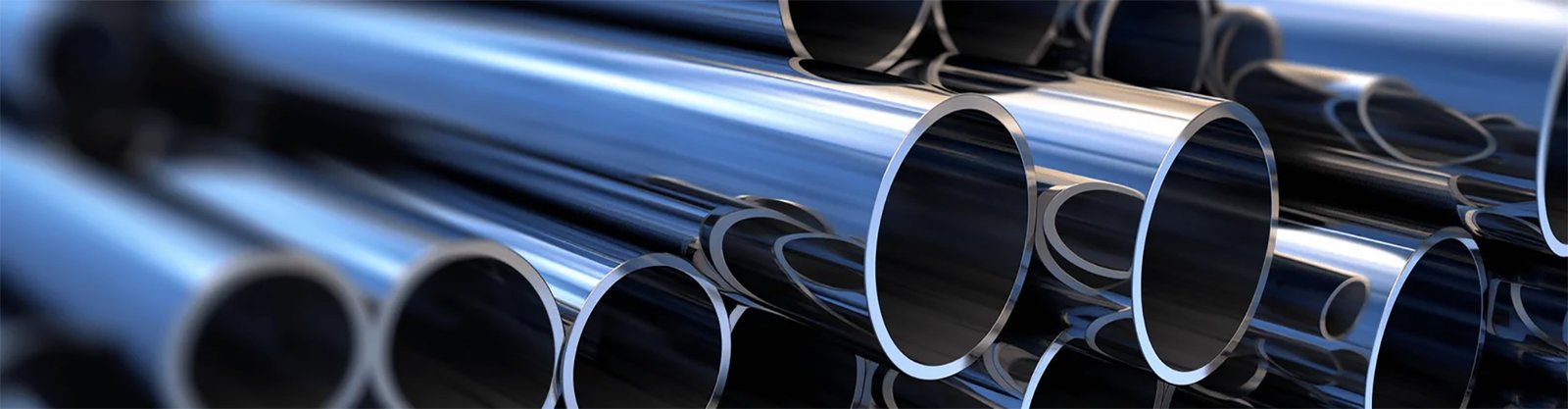
Titanium pipe is a premium material used in industries that require strength, durability, corrosion resistance, and long-term performance. From aerospace and marine engineering to chemical processing, power generation, and clean energy systems, titanium piping plays a critical role in ensuring safety and reliability. Buyers, engineers, and project managers often have important questions before selecting titanium pipe for their applications.
In this article, we answer the top 10 frequently asked questions about titanium pipe, helping you make informed decisions and understand the benefits of partnering with trusted suppliers like sakyalloy for your titanium piping needs.
1. What are the main advantages of using titanium pipe?
Titanium pipe offers several key advantages that make it a preferred material for critical systems:
-
Exceptional corrosion resistance: Titanium resists corrosion in seawater, chlorides, acids, and many aggressive chemicals.
-
High strength-to-weight ratio: Titanium delivers steel-like strength at about half the weight, allowing lighter system designs.
-
Long service life: With minimal maintenance, titanium piping can operate effectively for decades.
-
Biocompatibility and non-toxicity: Suitable for food, pharmaceutical, and medical applications.
-
Sustainability: Titanium is 100% recyclable and contributes to circular economy goals.
These properties make titanium pipes ideal for applications where reliability and longevity are non-negotiable.
2. In what industries is titanium pipe most commonly used?
Titanium pipe is used in:
-
Aerospace and defense: Hydraulic lines, fuel systems, and structural applications.
-
Marine and offshore engineering: Seawater cooling, ballast systems, and subsea equipment.
-
Chemical processing: Acid and alkali transport, heat exchangers, and reactors.
-
Power generation: Condensers and cooling water systems, especially in plants using saline water sources.
-
Desalination: Brine handling and seawater intake systems.
-
Clean energy: Hydrogen production, offshore wind, and solar thermal power systems.
3. What titanium grades are typically used for piping systems?
Common titanium grades for pipe include:
-
Grade 2: Commercially pure titanium, widely used for its excellent corrosion resistance and formability.
-
Grade 7: Similar to Grade 2 but with added palladium for enhanced corrosion resistance in reducing environments.
-
Grade 12: Alloyed with small amounts of nickel and molybdenum for improved strength and corrosion resistance.
sakyalloy offers titanium pipes in these and other grades, with full certification and traceability to meet international standards.
4. How does titanium pipe compare in cost to stainless steel or carbon steel?
Titanium pipe has a higher initial cost compared to stainless steel or carbon steel due to raw material prices and specialized production requirements. However:
-
Its longer service life and minimal maintenance needs often result in lower total cost of ownership.
-
Titanium’s ability to prevent corrosion-related failures can reduce downtime and replacement expenses.
When lifecycle costs are considered, titanium is often the more economical choice for critical applications.
5. How is titanium pipe manufactured?
Titanium pipes are produced using processes such as:
-
Seamless extrusion: For high-integrity pipes without weld seams, often used in high-pressure or critical systems.
-
Welded pipe fabrication: Rolled titanium sheet or strip is welded longitudinally, suitable for many standard industrial applications.
All titanium pipes supplied by sakyalloy undergo rigorous inspection, testing, and certification to ensure quality and compliance.
6. Can titanium pipe be welded easily?
Titanium pipe can be welded successfully, but:
-
It requires specialized techniques such as GTAW (TIG welding) with inert gas shielding (argon or helium) to prevent contamination.
-
The weld area must be protected from air to avoid embrittlement and loss of corrosion resistance.
-
Skilled welders and clean conditions are essential.
sakyalloy provides technical support and guidance on titanium welding best practices for customers.
7. Is titanium pipe suitable for high-pressure applications?
Yes, titanium pipes are used in high-pressure systems, provided:
-
The correct pipe grade, wall thickness, and manufacturing method (often seamless) are selected.
-
Design follows applicable standards (e.g., ASME, ASTM) for pressure systems.
Titanium’s strength and resistance to stress corrosion cracking make it a safe and reliable choice for high-pressure environments.
8. What are typical standards and specifications for titanium pipe?
Titanium pipes are produced according to recognized international standards, including:
-
ASTM B861: Seamless titanium pipe.
-
ASTM B862: Welded titanium pipe.
-
ASME SB861 / SB862: For boiler and pressure vessel applications.
sakyalloy ensures all titanium pipes meet or exceed these standards, providing full traceability and mill test certification.
9. Can titanium pipe be recycled?
Yes. Titanium pipe:
-
Is 100% recyclable, retaining its properties after reprocessing.
-
Supports circular economy goals and sustainable material management.
-
Often contains recycled content, further reducing its environmental footprint.
Using titanium pipe aligns with modern sustainability objectives, contributing to greener infrastructure and manufacturing.
10. Why choose sakyalloy as a supplier of titanium pipe?
sakyalloy offers:
-
High-quality titanium pipe that meets international standards, with full documentation and traceability.
-
Technical expertise to support customers in selecting the right grade, thickness, and configuration.
-
Strong supply chain management for timely delivery worldwide, including emerging markets and large-scale projects.
-
Commitment to sustainability, offering materials that support long-term performance and recyclability.
By working with sakyalloy, you ensure your titanium piping systems are built for reliability, safety, and cost-efficiency.
Conclusion
These top 10 frequently asked questions about titanium pipe highlight why titanium piping systems are increasingly specified for critical applications across industries. From unmatched corrosion resistance to lifecycle value and sustainability benefits, titanium pipe delivers performance that justifies its place in modern engineering.
For projects that demand certified quality and expert support, suppliers like sakyalloy provide the products and knowledge necessary to achieve success. As industries continue to seek materials that align with both operational and environmental goals, titanium pipe remains a leading solution for the challenges of today and tomorrow.