
Using Titanium Pipe in Offshore and Marine Environments
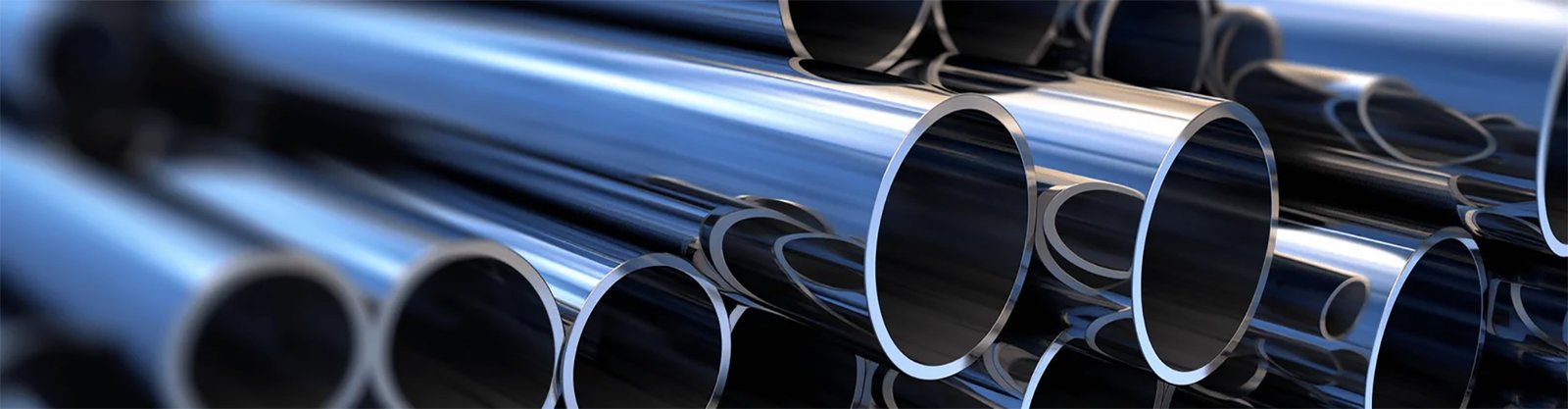
The offshore and marine industries demand materials that can endure the most punishing environments on earth. Constant exposure to saltwater, high pressure, fluctuating temperatures, and mechanical stress calls for robust, long-lasting solutions. Among the many materials available, titanium pipe has emerged as a top performer for offshore platforms, marine vessels, desalination systems, and underwater infrastructure.
In this article, we’ll explore why titanium pipe is highly preferred in these challenging settings and how it outperforms other materials in corrosion resistance, strength, and lifecycle cost.
Saltwater Corrosion: The Ultimate Test
Saltwater is one of the most corrosive natural environments. Traditional metals like carbon steel corrode rapidly in seawater without protection. Even stainless steel grades such as 304 or 316 can suffer from pitting and crevice corrosion over time.
Titanium, however, is naturally immune to saltwater corrosion. It forms a tightly bonded oxide film that protects it from chloride attack and prevents surface degradation. This passive layer reforms immediately if scratched or damaged, ensuring consistent resistance even in turbulent seawater conditions.
Because of this, titanium pipe is ideal for offshore oil platforms, deep-sea pipelines, risers, and ballast systems where exposure to seawater is continuous.
Lightweight and High Strength
Offshore and marine applications benefit immensely from lightweight materials due to installation logistics, buoyancy concerns, and cost of support structures.
Titanium has a density of just 4.51 g/cm³, about half that of steel. Despite this, its strength-to-weight ratio is higher than most metals, allowing engineers to reduce pipe wall thickness without sacrificing performance.
This translates into easier handling, lower transportation costs, and reduced load on floating structures—especially important for FPSOs (Floating Production Storage and Offloading units) and subsea equipment.
High Fatigue and Pressure Resistance
Titanium’s strength goes beyond static load capacity. It also has excellent fatigue resistance, meaning it can withstand the cyclic stresses caused by ocean currents, wave action, and fluctuating internal pressure.
This makes titanium pipe an ideal choice for:
-
Subsea hydraulic lines
-
Oil and gas injection lines
-
Heat exchangers exposed to wave motion
-
Dynamic riser systems
Its resilience under repeated stress reduces the risk of failure and extends service life—critical in systems where maintenance is difficult or impossible.
sakyalloy offers titanium pipes that meet offshore mechanical and corrosion specifications, helping clients build systems that perform reliably in harsh conditions.
Temperature and Chemical Stability
Titanium maintains its mechanical integrity over a wide temperature range, making it suitable for environments with extreme fluctuations—from arctic cold to hot process fluids.
It also resists biofouling and marine organism attachment, reducing maintenance needs for cleaning and scraping. Unlike copper alloys, titanium does not release harmful ions into the marine environment, making it more environmentally sustainable.
Additionally, titanium is compatible with a wide range of marine chemicals, including those used in desalination, oil recovery, and water treatment systems.
Long Service Life = Lower Lifetime Cost
While the initial cost of titanium pipe is higher, the total cost of ownership is significantly lower when calculated over the life of the system.
Benefits include:
-
No need for protective coatings or linings
-
Fewer replacements due to corrosion
-
Minimal inspection and maintenance requirements
-
Reduced downtime risk
In the marine and offshore industries—where accessing underwater or platform-based systems is costly—a maintenance-free material like titanium becomes a smart financial choice.
That’s why sakyalloy supports offshore EPC contractors and marine system integrators with precision-engineered titanium pipes that deliver unmatched reliability.
Real-World Applications
Titanium pipe is used in a wide range of offshore and marine systems, including:
-
Desalination plants: High-pressure brine and feedwater lines
-
Oil & gas platforms: Cooling water systems, firewater systems, and subsea pipelines
-
Shipbuilding: Ballast water treatment lines, exhaust scrubber systems, and seawater intakes
-
Submarine systems: Pressure-resistant fluid transport and cooling
Its unique properties enable safe operation and reduced environmental risk across all these applications.
Conclusion
When it comes to surviving the ocean’s most demanding conditions, titanium pipe stands above the rest. Its resistance to corrosion, high strength, low weight, and stability in marine environments make it the ultimate material for offshore and maritime engineering.
Although the upfront cost may seem high, the long-term benefits far outweigh the initial investment. From extended service life to reduced maintenance, titanium offers performance you can count on in every wave and tide.
For projects that demand excellence, sakyalloy provides high-quality titanium pipe solutions designed to withstand the harshest marine conditions. Contact us to learn how titanium can enhance your next offshore or shipboard application.