
Welding Titanium Pipe: Expert Tips & Best Practices
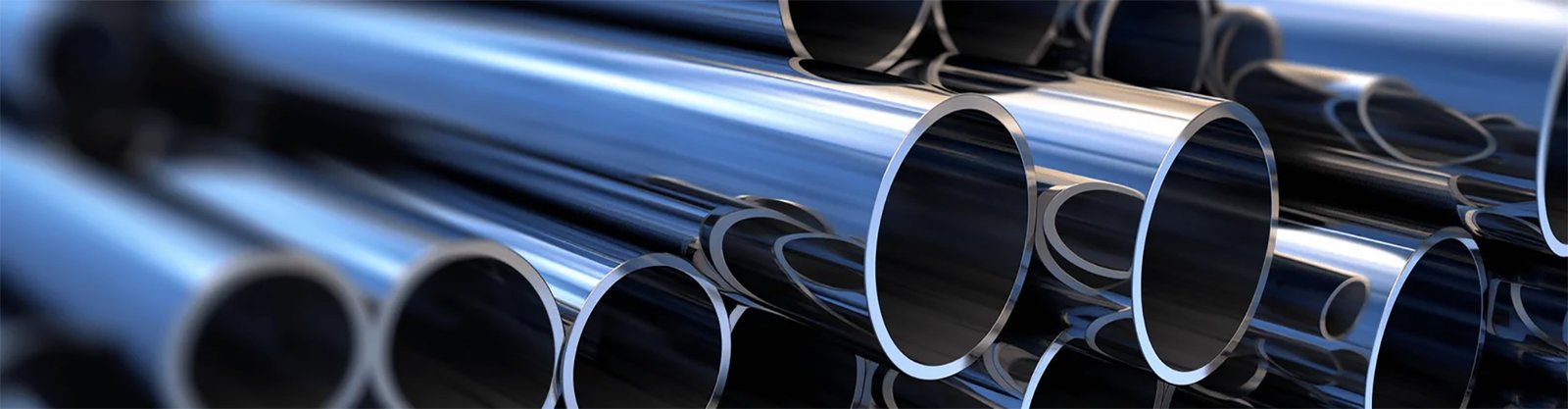
Titanium pipe is prized in industries ranging from aerospace to chemical processing due to its exceptional strength, light weight, and superior corrosion resistance. However, welding titanium pipe presents unique challenges that demand precision, expertise, and strict control of environmental conditions. Even minor mistakes in titanium welding can lead to contamination, reduced mechanical properties, and premature failure in service. In this detailed guide on welding titanium pipe: expert tips & best practices, we will explore proven techniques, common pitfalls to avoid, and the key factors that ensure durable, high-quality welds.
Why Welding Titanium Pipe Requires Special Attention
Titanium has many properties that make it ideal for demanding applications — but those same properties can create challenges during welding. The most critical characteristic to understand is titanium’s high reactivity at elevated temperatures. When heated above 600°C (1112°F), titanium readily reacts with oxygen, nitrogen, hydrogen, and carbon in the surrounding atmosphere.
If the molten weld pool or the heat-affected zone (HAZ) becomes contaminated by these gases, the weld may suffer from embrittlement, reduced ductility, or cracking. Unlike steel or stainless steel, even trace amounts of contamination in titanium welds can have severe consequences for performance.
Preparing for Welding: The Foundation of Success
1. Material Preparation
Before welding begins, thorough preparation of the titanium pipe and its adjoining parts is essential. All surfaces in the weld area must be:
-
Free of grease, oil, paint, and oxide layers
-
Mechanically cleaned (e.g., stainless steel wire brushing or machining) followed by chemical cleaning (such as with acetone or alcohol)
-
Handled only with clean gloves to prevent introducing contaminants from skin oils
Even small traces of foreign material can cause weld defects, so cleanliness is critical at every step.
2. Joint Fit-Up
Achieving proper alignment and fit-up is particularly important for titanium pipe welding. Tight tolerances minimize gaps that could lead to excessive weld metal usage and overheating, which in turn increases the risk of contamination. Use precision fixtures or jigs where necessary to hold parts securely during welding.
3. Environmental Control
Welding titanium pipe requires a clean, controlled environment. Ideally, the work should be performed in a dedicated titanium welding chamber or enclosure filled with inert gas (such as argon). If this is not possible, local shielding devices such as trailing shields and backup gas systems are essential.
The Role of Shielding Gas
Pure argon (99.999% minimum purity) is the shielding gas of choice for titanium welding. The weld pool and the HAZ must be fully protected by a continuous flow of argon until the metal cools below 400°C (752°F). Many experts recommend using additional trailing shields and purge gas systems to protect both sides of the weld joint, especially when working with pipe.
For thicker-walled titanium pipe or complex joints, helium or argon-helium mixtures may be used to increase arc energy and improve penetration, but the need for rigorous gas shielding remains unchanged.
Welding Methods for Titanium Pipe
Several welding techniques are suitable for titanium pipe. The most common include:
1. Gas Tungsten Arc Welding (GTAW / TIG)
TIG welding is the most widely used method for titanium pipe because it offers precise control of heat input and weld bead appearance. When performed correctly, TIG welding produces clean, defect-free welds with excellent mechanical properties.
Key tips for TIG welding titanium pipe:
-
Use a thoriated or lanthanated tungsten electrode with a sharp point for stable arc control.
-
Maintain a short arc length to minimize exposure to air.
-
Ensure consistent argon flow and shielding throughout the weld.
-
Use a trailing shield and internal purge for complete protection of the molten pool and HAZ.
2. Plasma Arc Welding (PAW)
Plasma welding is sometimes chosen for larger or thicker titanium pipe sections due to its ability to produce deeper penetration and faster welding speeds. PAW can deliver highly consistent weld quality in automated setups.
3. Electron Beam and Laser Welding
For highly specialized applications, especially in aerospace and nuclear industries, electron beam or laser welding may be used. These methods provide precise, low-distortion welds but require advanced equipment and process controls.
Best Practices for Titanium Pipe Welding
To achieve defect-free, reliable titanium welds, follow these best practices:
Meticulous Cleaning
Titanium welding success begins with scrupulous cleaning of both the base metal and filler material. Clean immediately before welding, and avoid touching the prepared surfaces.
Proper Filler Material
Always select filler wire that matches the base material composition. For example, Grade 2 filler is used with commercially pure titanium pipes, while Grade 5 (Ti-6Al-4V) filler is used with alloyed pipes.
Avoid Overheating
Control heat input to prevent excessive grain growth in the HAZ. Overheating increases the risk of contamination and weakens the weld. Use pulse current techniques or lower amperage settings when possible.
Visual Inspection During Welding
Pay attention to the color of the weld as it cools. A good titanium weld will appear silvery or straw-colored. Blue, purple, or gray hues indicate contamination or insufficient shielding and should be investigated.
Post-Weld Cleaning
After welding, remove any oxide scale from the weld area using appropriate mechanical or chemical cleaning methods. This not only improves appearance but ensures ongoing corrosion resistance.
Common Pitfalls to Avoid
Even experienced welders can encounter issues when working with titanium pipe. Watch out for these common pitfalls:
-
Inadequate shielding leading to contamination and brittle welds
-
Improper fit-up causing excessive heat input and distortion
-
Use of incorrect filler material resulting in weld metal with poor mechanical properties
-
Reusing cleaning tools that have been contaminated by other metals
-
Welding in environments with drafts or air movement that disturb shielding gas flow
Avoiding these pitfalls is crucial to achieving high-quality titanium welds that meet or exceed industry standards.
Inspection and Testing
Weld quality verification is essential in applications where titanium pipe is used. Depending on the industry and project specifications, common inspection methods include:
-
Visual inspection for surface defects and discoloration
-
Dye penetrant testing for detecting surface cracks
-
Radiographic (X-ray) or ultrasonic testing for internal defects
-
Mechanical testing such as bend or tensile tests for weld procedure qualification
By incorporating these checks, fabricators can ensure that welds provide the strength, integrity, and longevity required for critical applications.
The Role of sakyalloy in Titanium Welding Solutions
At sakyalloy, we understand the precision and care required when welding titanium pipe. That is why we supply titanium pipes and tubes manufactured to the highest quality standards, ensuring clean surfaces, consistent composition, and full traceability — the essential starting point for successful welding.
In addition to supplying premium titanium products, sakyalloy offers technical support and guidance to help customers achieve the best results when fabricating with titanium pipe. Our deep experience in titanium materials ensures that we can assist with both material selection and best welding practices tailored to your specific project needs.
Conclusion
Welding titanium pipe is both a science and an art. It requires not only the right equipment and materials but also rigorous attention to detail and strict process controls. By following expert tips and best practices — from preparation and shielding to heat control and inspection — welders can produce joints that deliver the unmatched performance titanium is known for.
Whether you are working in aerospace, marine, chemical processing, or any other industry that demands excellence, titanium pipe welding done right ensures the safety, reliability, and long service life of your systems.
For high-quality titanium pipes and technical expertise you can rely on, trust sakyalloy — your partner in advanced titanium solutions.