
What Are The Applications Of Titanium Alloys On Ships?
Titanium alloys have become increasingly important in the maritime industry due to their exceptional corrosion resistance, high strength-to-weight ratio, and durability. Ships and marine structures operate in some of the harshest environments on earth, where seawater, high pressure, and temperature variations can severely affect material performance. Traditional materials like carbon steel and copper alloys have limitations when exposed to continuous seawater corrosion. Titanium alloys, however, offer long-term reliability, reduced maintenance, and efficiency improvements for modern shipbuilding.
This article explores in detail the applications of titanium alloys on ships, their advantages over conventional materials, and the future potential for expanding their role in the marine industry.
1. Why Titanium Alloys Are Suitable for Marine Applications
Titanium alloys are increasingly used on ships because they meet the critical requirements of marine operations. Their key benefits include:
-
Outstanding Corrosion Resistance: Titanium forms a stable oxide film that protects against seawater corrosion, pitting, and crevice attack.
-
High Strength-to-Weight Ratio: Lighter than steel but stronger in many applications, contributing to overall weight reduction.
-
Long Service Life: Requires less maintenance, reducing downtime and costs.
-
Biocompatibility: Safe for desalination systems and potable water systems.
-
Resistance to Marine Biofouling: Reduces accumulation of marine organisms, keeping systems clean.
These properties make titanium alloys a valuable choice for critical ship components.
2. Applications of Titanium Alloys on Ships
2.1 Seawater Piping Systems
Titanium alloys are extensively used in seawater piping because of their superior corrosion resistance. Unlike steel or copper alloys, titanium piping does not suffer from biofouling or scaling, ensuring a smooth flow of seawater.
Benefits:
-
Extended service life (over 40 years in some cases).
-
Reduced maintenance and cleaning.
-
Improved efficiency of onboard cooling systems.
Application Examples:
-
Cooling water pipes.
-
Ballast water systems.
-
Firefighting water distribution systems.
2.2 Heat Exchangers and Condensers
Heat exchangers on ships rely on seawater for cooling. Titanium alloys are widely used in the tubing of condensers and heat exchangers due to their resistance to seawater corrosion.
Benefits:
-
Excellent thermal conductivity with corrosion resistance.
-
No need for corrosion inhibitors.
-
Long operational reliability, even in warm tropical seawaters.
Application Examples:
-
Main engine heat exchangers.
-
Auxiliary cooling units.
-
Condensers in power generation systems onboard.
2.3 Desalination Units
Ships often require desalination plants to convert seawater into freshwater for crew consumption and operations. Titanium alloys are ideal for evaporator tubes and high-pressure pumps in desalination systems.
Benefits:
-
Resistance to chloride-induced corrosion.
-
Ensures water purity for potable use.
-
Longer equipment lifespan compared to stainless steel.
2.4 Propulsion Systems and Shafts
Titanium alloys are also used in high-performance ship propulsion systems, including propeller shafts and other rotating components.
Benefits:
-
Reduced weight increases propulsion efficiency.
-
Resistance to cavitation damage in seawater.
-
High fatigue resistance ensures durability under continuous operation.
Application Examples:
-
Propeller shafts.
-
Pump shafts.
-
High-performance naval propulsion components.
2.5 Hull and Structural Components
In specialized naval and research vessels, titanium alloys are sometimes used for hulls and external structures. Their resistance to seawater and pressure makes them suitable for deep-sea exploration.
Benefits:
-
Withstands extreme deep-sea pressures.
-
Resistant to seawater corrosion and biofouling.
-
Weight reduction contributes to higher fuel efficiency.
Application Examples:
-
Submarine hulls.
-
Deep-sea research vessel components.
-
Offshore support structures.
2.6 Fasteners and Fittings
Fasteners such as bolts, nuts, and screws on ships must endure seawater exposure. Titanium fasteners provide high strength while resisting corrosion better than stainless steel.
Benefits:
-
Prevents galling and seizing under seawater exposure.
-
Long service life reduces replacement frequency.
-
Lightweight, contributing to overall ship efficiency.
2.7 Exhaust Systems
Titanium alloys are used in marine exhaust systems where components face both high temperatures and corrosive seawater conditions.
Benefits:
-
High-temperature resistance.
-
Excellent oxidation resistance.
-
Longer lifespan compared to steel alloys.
2.8 Offshore and Naval Defense Applications
Military and offshore ships demand high-performance materials. Titanium alloys are used for critical defense applications due to their durability and resistance to both corrosion and stress.
Application Examples:
-
Naval ship piping systems.
-
Submarine high-pressure components.
-
Offshore support vessels and platforms.
3. Advantages of Using Titanium Alloys on Ships
-
Reduced Maintenance Costs: Minimal cleaning and replacement needed.
-
Extended Lifespan: Components can last several decades without corrosion failure.
-
Improved Fuel Efficiency: Weight reduction enhances overall ship performance.
-
Safety and Reliability: Prevents leaks and failures in critical seawater systems.
-
Environmental Benefits: Eliminates the need for toxic anti-fouling chemicals.
4. Challenges of Using Titanium Alloys
While titanium alloys are ideal for marine use, challenges remain:
-
High Initial Cost: More expensive than steel or copper alloys.
-
Special Fabrication Requirements: Requires skilled welding and machining.
-
Limited Availability: Not as widely stocked as traditional marine materials.
Despite these challenges, the long-term cost savings and performance benefits often justify the investment.
5. Future of Titanium Alloys in Shipbuilding
-
Hybrid Designs: Combining titanium with composites for lighter and stronger marine structures.
-
Advanced Alloys: Development of new titanium alloys with higher strength and weldability.
-
Sustainability: Increasing demand for environmentally friendly, low-maintenance materials in shipping.
-
Wider Adoption: Expected growth in naval, commercial, and luxury shipbuilding sectors.
6. Industry Standards for Marine Titanium Applications
-
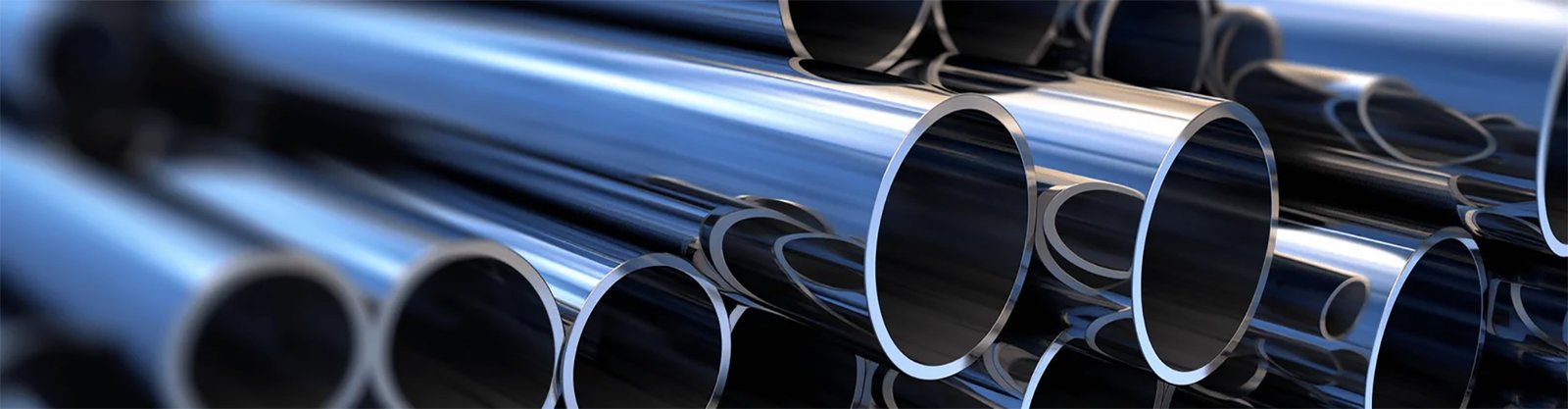
ASTM B338: Standard specification for titanium and titanium alloy seamless pipes and tubes.
-
ASTM B348: Titanium and titanium alloy bars and billets.
-
ASTM B265: Titanium and titanium alloy plates and sheets.
-
ASME and ISO standards: Ensure global compliance for shipbuilding.
Suppliers like sakyalloy ensure that titanium alloys used for ships meet these international standards.
7. Common Mistakes to Avoid in Marine Titanium Applications
-
Using stainless steel instead of titanium in critical seawater systems.
-
Ignoring proper welding and fabrication practices.
-
Selecting titanium grades without considering specific seawater exposure.
-
Overlooking certification requirements for naval and commercial vessels.
Conclusion
Titanium alloys are playing an increasingly vital role in shipbuilding and marine engineering. From piping systems, heat exchangers, and desalination plants to propulsion shafts, hulls, and naval defense equipment, titanium’s durability, corrosion resistance, and strength-to-weight ratio make it a superior choice compared to traditional materials.
Although initial costs are higher, the long-term savings, reduced maintenance, and enhanced safety make titanium alloys indispensable for modern shipping. By partnering with trusted suppliers like sakyalloy, shipbuilders and engineers can access certified titanium alloys that meet international standards and deliver reliable performance in the harshest marine environments.
The adoption of titanium alloys in ships is not just a trend — it is a forward-looking solution that ensures sustainability, reliability, and efficiency for the future of maritime industries.