
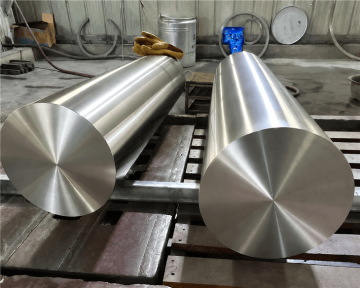
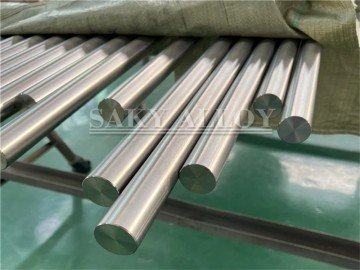
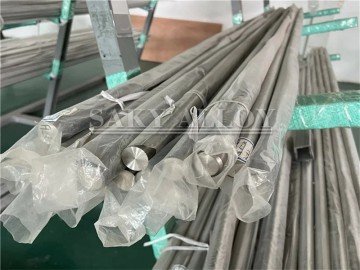
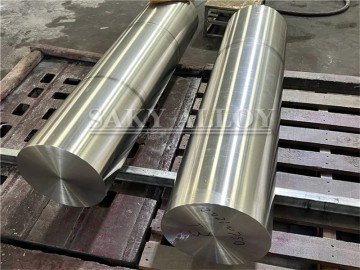
What Are The Characteristics Of Gr1 Gr2 Gr5 Titanium Rods?
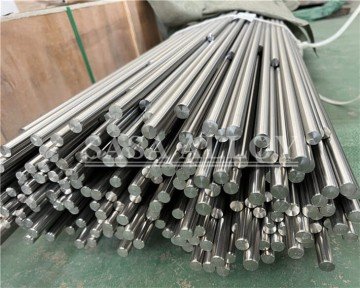
Titanium rods are increasingly used across industries such as aerospace, medical, marine, automotive, and chemical processing. Their lightweight, high-strength, and corrosion-resistant properties make them one of the most reliable materials in demanding environments. Among the different grades of titanium, Gr1, Gr2, and Gr5 rods are the most common, each offering unique characteristics tailored for specific applications.
This article explores the characteristics of Gr1, Gr2, and Gr5 titanium rods, comparing their mechanical properties, applications, and advantages to help engineers and buyers make informed choices.
Understanding Titanium Grades
Titanium is classified into grades based on its purity or alloying elements.
-
Commercially Pure (CP) Titanium: Grades 1–4, with increasing strength but reduced ductility from Gr1 to Gr4.
-
Alloyed Titanium: Grades such as Gr5 (Ti-6Al-4V), which combine titanium with elements like aluminum and vanadium for enhanced performance.
Gr1, Gr2, and Gr5 represent the most popular grades used in global industries.
Characteristics of Gr1 Titanium Rods
Composition
-
Commercially pure titanium (minimum 99.5% Ti).
-
Very low oxygen content (~0.18%), which contributes to high ductility.
Mechanical Properties
-
Yield Strength: ~170 MPa.
-
Tensile Strength: ~240 MPa.
-
Elongation: ~24–28%.
-
Density: 4.51 g/cm³.
Key Features
-
Excellent corrosion resistance, especially in oxidizing and seawater environments.
-
Superior ductility and formability compared with other grades.
-
Low strength compared with Gr2 and Gr5.
Applications
-
Heat exchangers and condensers in marine and chemical industries.
-
Medical implants requiring high biocompatibility.
-
Electroplating equipment and anodes for electrochemical processes.
Characteristics of Gr2 Titanium Rods
Composition
-
Commercially pure titanium with slightly higher oxygen content (~0.25%) compared to Gr1.
Mechanical Properties
-
Yield Strength: ~275 MPa.
-
Tensile Strength: ~345 MPa.
-
Elongation: ~20%.
-
Density: 4.51 g/cm³.
Key Features
-
Excellent balance between strength and ductility.
-
Corrosion resistance similar to Gr1, suitable for seawater and chemical exposure.
-
Better strength than Gr1, making it more widely used.
Applications
-
Pressure vessels and piping systems.
-
Power generation and desalination plants.
-
Marine and offshore engineering components.
-
Architectural structures where durability and aesthetics are required.
Characteristics of Gr5 Titanium Rods
Composition
-
Alloyed titanium with 6% aluminum and 4% vanadium (Ti-6Al-4V).
-
Most widely used titanium alloy worldwide.
Mechanical Properties
-
Yield Strength: ~880 MPa.
-
Tensile Strength: ~950 MPa.
-
Elongation: ~10–14%.
-
Density: 4.43 g/cm³.
Key Features
-
Extremely high strength-to-weight ratio.
-
Excellent corrosion resistance, though slightly less than Gr1/Gr2 in strongly oxidizing environments.
-
Can be heat-treated for additional strength.
-
Lower ductility compared with CP titanium.
Applications
-
Aerospace structural components, turbine blades, and engine parts.
-
Automotive racing components and high-performance parts.
-
Medical implants such as hip and knee replacements.
-
Marine applications requiring high mechanical strength.
Comparison of Gr1, Gr2, and Gr5 Titanium Rods
| Property / Grade | Gr1 | Gr2 | Gr5 (Ti-6Al-4V) |
|---|---|---|---|
| Type | Commercially Pure | Commercially Pure | Alloyed Titanium |
| Tensile Strength | ~240 MPa | ~345 MPa | ~950 MPa |
| Yield Strength | ~170 MPa | ~275 MPa | ~880 MPa |
| Elongation | 24–28% | ~20% | 10–14% |
| Corrosion Resistance | Excellent | Excellent | Very Good |
| Ductility | Very High | High | Moderate |
| Cost | Lower | Moderate | Higher |
| Typical Use | Heat exchangers, implants | Pressure vessels, piping | Aerospace, medical, automotive |
Factors to Consider When Choosing a Grade
-
Strength Requirements
-
Choose Gr1 for low-stress environments.
-
Choose Gr2 for general industrial use.
-
Choose Gr5 for high-performance, high-strength applications.
-
-
Corrosion Resistance
-
Gr1 and Gr2 are excellent for marine and chemical industries.
-
Gr5 is sufficient for most conditions but less resistant in strongly oxidizing acid environments.
-
-
Fabrication and Machinability
-
Gr1 and Gr2 are easier to weld and form.
-
Gr5 requires more advanced machining due to its higher strength.
-
-
Cost and Availability
-
Gr1 is the most cost-effective.
-
Gr2 is widely available with balanced cost and performance.
-
Gr5 is more expensive but offers premium mechanical properties.
-
Industrial Importance
-
Aerospace: Relies heavily on Gr5 for strength-critical applications.
-
Marine and Offshore: Uses Gr1 and Gr2 for corrosion resistance.
-
Medical: Gr1 and Gr2 for implants, Gr5 for load-bearing prosthetics.
-
Chemical Processing: Gr1 and Gr2 provide long service life in corrosive environments.
Role of Trusted Suppliers
Selecting the right titanium rods requires more than understanding grades—it also depends on consistent quality and certification. Companies like sakyalloy ensure their titanium rods meet ASTM, ISO, and ASME standards with full traceability and Mill Test Certificates. By sourcing from sakyalloy, industries gain confidence in product authenticity, material integrity, and long-term performance.
Future Trends in Titanium Rods
-
Additive Manufacturing: Use of titanium powders (especially Gr5) in 3D printing for aerospace and medical implants.
-
Hybrid Materials: Combining titanium with composites for even higher performance.
-
Sustainability: Increasing emphasis on recycling titanium scrap into new rods.
-
Advanced Alloys: Development of next-generation alloys offering both high strength and improved ductility.
Conclusion
Gr1, Gr2, and Gr5 titanium rods each have unique characteristics that make them suitable for different applications.
-
Gr1: Best for corrosion resistance and formability in low-stress environments.
-
Gr2: Offers balanced strength and corrosion resistance, making it the most versatile CP titanium grade.
-
Gr5: Provides exceptional strength-to-weight performance, making it indispensable in aerospace, medical, and automotive industries.
By understanding these characteristics, engineers and buyers can select the most suitable titanium rods for their projects. Partnering with trusted suppliers such as sakyalloy ensures access to high-quality, certified titanium products that meet demanding industry standards.