
What Causes Titanium Pipe To Fail
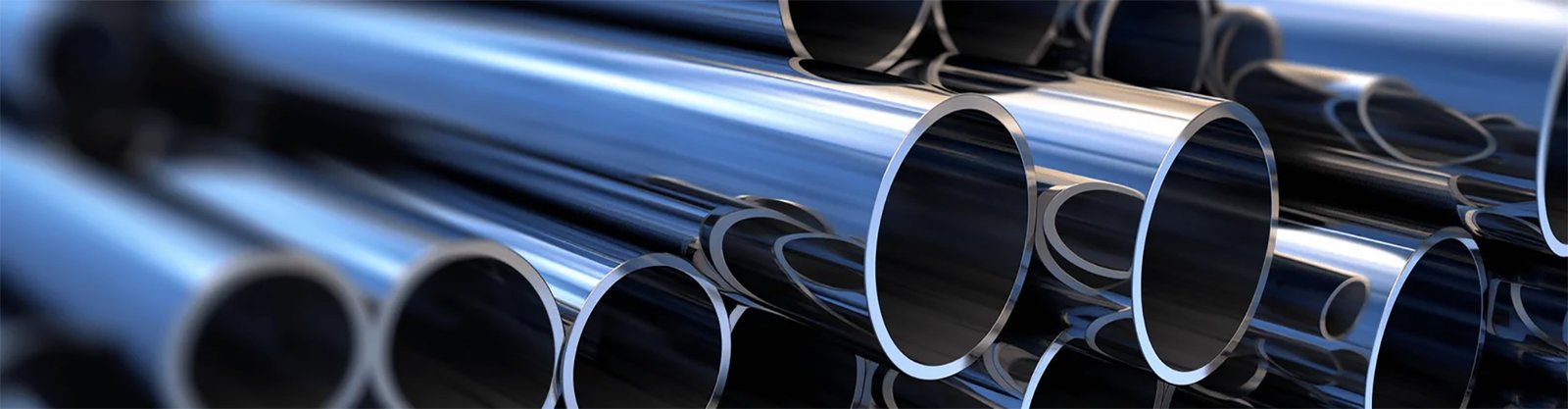
Titanium pipe is prized in engineering for its outstanding combination of strength corrosion resistance and low weight It is used in demanding applications across aerospace marine chemical processing energy and medical industries Known for durability and long service life titanium pipe is often seen as a material that can withstand some of the harshest environments But like any material titanium pipe is not immune to failure
This article explores what causes titanium pipe to fail the common failure modes contributing factors and how proper material selection design and support from suppliers like sakyalloy can help prevent problems and extend the service life of titanium piping systems
Understanding Titanium Pipe Failure
Failure of titanium pipe refers to any situation where the pipe no longer performs its intended function This may include structural failure leakage excessive deformation or loss of mechanical or chemical integrity Failures can result from a single cause or more often from a combination of factors over time
Common Causes of Titanium Pipe Failure
Improper Material Selection
Selecting the wrong grade of titanium for the operating environment is a leading cause of failure
Commercially pure titanium grades like Grade 2 are ideal for general corrosion resistance but may not have sufficient strength for high pressure or load bearing applications
Titanium alloys like Grade 5 offer greater strength but may not provide the corrosion resistance needed for highly reducing chemical environments
Failure to match the material properties to service conditions can lead to premature pipe degradation
Fabrication and Welding Defects
Titanium requires special fabrication and welding practices
Welding without adequate shielding gas can introduce oxygen nitrogen or hydrogen into the weld zone causing embrittlement and loss of ductility
Poor weld quality can create cracks porosity or incomplete fusion which act as initiation points for failure
Contaminated tools or surfaces can leave residues that weaken welds or cause localized corrosion
sakyalloy provides titanium pipe and fittings with certified fabrication quality and can advise on best practices to avoid these issues
Stress Corrosion Cracking
Although titanium is highly resistant to corrosion certain combinations of stress and chemical exposure can cause stress corrosion cracking
This type of failure can occur in hot chloride rich environments or in the presence of certain reducing acids if the pipe is under high tensile stress
Stress concentrators like sharp bends improper supports or poorly designed joints increase susceptibility
Good design and proper material choice reduce the risk of stress corrosion cracking
Fatigue Failure
In applications where titanium pipe is subjected to cyclic loading vibration or pressure pulsation fatigue failure may occur
Fatigue cracks initiate at points of high stress such as welds sharp bends or surface defects
Over time repeated stress cycles cause these cracks to grow leading to failure
Using smooth bends precision welds and vibration dampening supports helps prevent fatigue issues
Thermal Cycling and Creep
Titanium pipes exposed to repeated heating and cooling may experience thermal fatigue or creep
Thermal cycling can cause expansion and contraction stresses that weaken joints and welds over time
Sustained high temperature service can lead to slow deformation or creep particularly if the wrong alloy grade is used
Designing systems to accommodate thermal expansion and using appropriate titanium grades for the temperature range are essential
External Mechanical Damage
Titanium pipe may fail due to external mechanical damage from impact abrasion or improper handling
Titanium has excellent strength but like any metal can be dented gouged or cracked if mishandled
Pipe subjected to improper support or excessive mechanical loads may deform or fail
Careful installation handling and system support reduce these risks
Erosion Corrosion
In high velocity fluid systems containing abrasive particles titanium pipe can experience erosion corrosion
The protective oxide layer can be stripped away by fast moving slurries or aggressive fluids
This leads to localized thinning and eventual leakage or rupture
Proper design of flow paths and use of liners or coatings in highly erosive environments can mitigate this problem
How to Prevent Titanium Pipe Failure
Preventing titanium pipe failure starts with good engineering and continues through the lifecycle of the system
Select the right titanium grade based on pressure temperature and chemical exposure
Ensure high quality fabrication and welding following standards such as ASTM B861 and B862
Incorporate design features that minimize stress concentrations and accommodate thermal movement
Implement regular inspection and maintenance to detect early signs of fatigue or corrosion
Work with experienced suppliers like sakyalloy for material selection guidance and certified products
The Role of sakyalloy in Ensuring Titanium Pipe Reliability
sakyalloy supplies titanium pipe and fittings with full certification compliance with international standards and traceability
Customers benefit from
A wide range of titanium grades for various service conditions
Technical support for selecting the right material and design approaches
Reliable fabrication quality to minimize defects and ensure weld integrity
Global delivery with documentation to meet project and regulatory requirements
By choosing sakyalloy customers gain confidence that their titanium piping systems will deliver safe reliable performance
Conclusion
What causes titanium pipe to fail The answer lies in a combination of factors including improper material selection fabrication defects stress corrosion fatigue and external damage While titanium offers excellent durability its performance depends on correct engineering design installation and maintenance
With proper planning and support from trusted suppliers like sakyalloy titanium pipe systems can achieve the long service life and reliability that have made titanium a material of choice for critical applications