
What Is a Titanium Bar Used For?
Titanium is a metal synonymous with strength, lightness, and outstanding corrosion resistance. Among the various forms of titanium products, titanium bars are particularly versatile and widely used across multiple industries—from aerospace and medical to marine and chemical processing. Their unique combination of mechanical strength and low density makes them ideal for high-performance and extreme-environment applications.
In this article, sakyalloy explores the many uses of titanium bars, the reasons behind their growing demand, and the benefits they bring to precision engineering, healthcare, and beyond.
What Is a Titanium Bar?
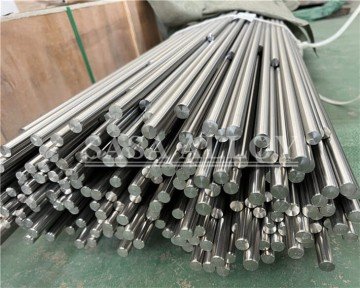
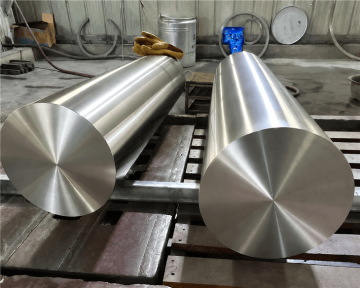
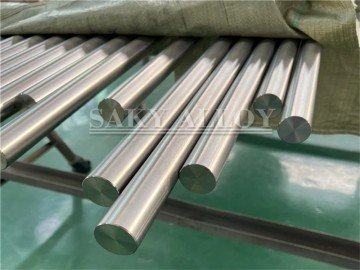
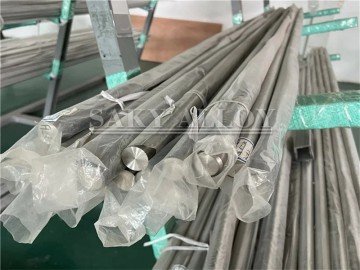
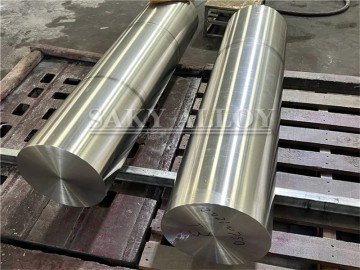
A titanium bar is a solid, straight, long piece of titanium metal available in round, square, rectangular, or hexagonal cross-sections. These bars are manufactured through forging, hot rolling, or cold drawing processes, and are typically produced in grades such as:
-
Grade 2 – Commercially pure titanium
-
Grade 5 (Ti-6Al-4V) – Titanium alloy with aluminum and vanadium
-
Grade 23 (Ti-6Al-4V ELI) – Extra-low interstitial for medical use
-
Grade 7 and 12 – Titanium alloyed for chemical applications
At sakyalloy, we supply high-quality titanium bars in various sizes and grades, tailored to suit industry-specific requirements.
Key Properties of Titanium Bars
Titanium bars are chosen for their remarkable physical and mechanical properties:
-
High strength-to-weight ratio
-
Exceptional corrosion resistance (especially in saltwater and acid environments)
-
Biocompatibility – Non-toxic and non-reactive with body tissues
-
Non-magnetic and low thermal expansion
-
Ability to withstand high and cryogenic temperatures
These characteristics make titanium bars a go-to choice in critical engineering and medical environments.
1. Aerospace Applications
Titanium bars are widely used in the aerospace industry due to their light weight and ability to withstand extreme stresses and temperatures. Common applications include:
-
Aircraft structural parts
-
Jet engine components
-
Landing gear and hydraulic systems
-
Wing spars and fuselage reinforcements
-
Satellite frames and fasteners
Using titanium bars reduces aircraft weight, enhances fuel efficiency, and ensures reliability under thermal cycling.
sakyalloy supplies titanium bars to aerospace OEMs and MRO providers globally.
2. Medical and Surgical Applications
Titanium’s biocompatibility makes it perfect for implants and medical devices. It does not trigger immune reactions, corrode in bodily fluids, or release harmful ions.
Medical uses include:
-
Bone plates and screws
-
Dental implants and abutments
-
Orthopedic rods and hip joints
-
Surgical instruments
-
Spinal fusion cages
Grade 23 titanium (ELI) is most commonly used for implants due to its high purity and ductility. sakyalloy produces titanium bars that meet ASTM F136 and ISO 5832 standards for surgical applications.
3. Marine and Offshore Uses
Saltwater environments are highly corrosive to most metals. Titanium bars offer unmatched resistance, making them ideal for:
-
Submarine components
-
Ship propeller shafts
-
Offshore platform fittings
-
Desalination plant parts
-
Heat exchangers for ocean environments
Titanium’s longevity and minimal maintenance needs offset its higher upfront cost in marine systems.
sakyalloy offers titanium bars with marine-grade finishing and anti-fouling coating options upon request.
4. Chemical Processing Industry
In industries where aggressive chemicals are handled, titanium bars are essential for fabricating corrosion-resistant equipment. Common uses include:
-
Reactors and pressure vessels
-
Heat exchanger tubesheets
-
Pump shafts and agitator rods
-
Piping systems for acid or chloride media
Grades like Titanium 7 and 12 are used here due to their superior resistance to reducing and oxidizing agents.
sakyalloy titanium bars are compatible with ASTM B348 and ASME SB348 specifications for chemical service.
5. Automotive and Motorsport Components
Titanium bars are increasingly used in high-performance automotive applications due to their lightweight and strength advantages. These include:
-
Suspension components
-
Engine valves and connecting rods
-
Exhaust system hangers and mounts
-
Custom high-end performance parts
Formula 1 and other racing teams often rely on titanium to improve acceleration, reduce inertia, and withstand high engine temperatures.
6. Sports Equipment and Consumer Products
Thanks to its aesthetics and strength, titanium is also used in premium sporting and lifestyle goods. Titanium bars can be machined into:
-
Golf club shafts
-
Bicycle frames
-
Hiking gear
-
Eyewear frames
-
Luxury watch cases
These products benefit from the durability, corrosion resistance, and lightweight properties of titanium.
7. Power Generation and Desalination
In the power industry, especially nuclear and geothermal energy, titanium bars are used in:
-
Turbine blades and spacers
-
Heat exchanger components
-
Fasteners for reactor vessels
In desalination plants, titanium handles the corrosive effects of saltwater and brine concentrations, especially in multi-effect distillation (MED) and reverse osmosis (RO) systems.
sakyalloy supports energy customers with titanium bar materials customized for thermal and chemical resistance.
8. Industrial Fasteners and Tooling
Titanium bars are also processed into:
-
High-strength bolts, nuts, and washers
-
Threaded rods and studs
-
Tooling and jigs for clean rooms
-
Machined components for electronics manufacturing
Its non-magnetic and cleanroom-friendly properties are particularly valuable in semiconductor production and defense technology.
How Titanium Bars Are Machined and Fabricated
Titanium is more difficult to machine than aluminum or steel due to its low thermal conductivity and work hardening tendencies. Key machining techniques include:
-
CNC turning and milling with carbide tools
-
Flood cooling to prevent overheating
-
Slow-speed threading and tapping
-
Annealing to improve ductility before shaping
At sakyalloy, we offer value-added services such as:
-
Precision cutting
-
CNC machining to drawing
-
Surface finishing (pickling, sandblasting, polishing)
-
Heat treatment and straightening
Quality Assurance and Certifications
Titanium bars from sakyalloy undergo strict inspection and testing, including:
-
Ultrasonic testing (UT)
-
Chemical composition analysis (ICP/OES)
-
Mechanical testing (tensile, yield, elongation)
-
Grain size and microstructure analysis
-
Surface defect inspection and straightness control
Certifications provided include:
-
EN 10204 3.1 / 3.2
-
ASTM B348
-
AMS 4928 / 4921
-
ISO 13485 (for medical)
-
AS9100 (for aerospace)
Conclusion
Titanium bars are indispensable in applications that demand light weight, exceptional strength, and corrosion resistance. From life-saving surgical implants to ultra-light aerospace components, the unique characteristics of titanium make it one of the most valuable metals in modern industry.
As a trusted supplier, sakyalloy delivers precision-engineered titanium bars in a wide range of grades and sizes, backed by industry certifications and customizable machining services. Whether you’re in aerospace, medical, chemical, or marine sectors, we are your reliable partner for titanium excellence.