
What Is Ductility? Definition, Measurement and Importance in Metals
Introduction
Ductility is the ability of a metal material to undergo plastic deformation before breaking, allowing it to be stretched, bent or drawn into different shapes without sudden failure. It is one of the most important mechanical properties considered when selecting metals for manufacturing, machining, forming and structural applications.
Materials with good ductility can absorb deformation energy and tolerate manufacturing processes such as rolling, drawing, bending and extrusion. Metals with low ductility are more likely to crack or fracture when subjected to stress.
For titanium, nickel alloys and other advanced materials, ductility is especially important because these materials are often used in demanding applications where strength, reliability and processing performance must be balanced.
- Ductility is a metal’s ability to deform permanently without breaking.
- It is commonly measured by elongation percentage and reduction of area after tensile testing.
- High ductility improves forming ability, fabrication performance and resistance to sudden failure.
- Titanium and many nickel alloys provide a useful balance between strength and ductility.
What Does Ductility Mean in Materials Science?
In materials science, ductility describes how much plastic deformation a material can experience after reaching its yield point before fracture occurs.
When a ductile metal is loaded beyond its elastic limit, it does not immediately break. Instead, it changes shape permanently while continuing to carry load.
| Material Behavior | Characteristics |
|---|---|
| Elastic Deformation | Material returns to original shape after removing stress |
| Plastic Deformation | Permanent shape change without immediate fracture |
| Fracture | Material separates after exceeding deformation capability |
How Is Ductility Measured?
Ductility is typically evaluated through tensile testing. During a tensile test, a specimen is pulled until it fractures, and the amount of deformation is measured.
Elongation Percentage
Elongation measures how much longer a specimen becomes after fracture compared with its original length.
A higher elongation percentage indicates better ductility.
Reduction of Area
Reduction of area measures the decrease in cross-sectional area at the fracture location after tensile testing.
It provides additional information about the material’s ability to deform before failure.
Ductility vs Strength vs Toughness
Ductility, strength and toughness are related but describe different material behaviors.
| Property | Meaning | Importance |
|---|---|---|
| Ductility | Ability to deform before breaking | Improves forming and prevents sudden failure |
| Strength | Ability to resist applied force | Determines load carrying capability |
| Toughness | Ability to absorb energy before fracture | Improves impact resistance |
Ductility of Titanium Alloys
Titanium alloys are valued because they provide an excellent combination of high strength, low density, corrosion resistance and useful ductility.
The ductility of titanium depends on alloy composition, microstructure, heat treatment condition and manufacturing process.
| Titanium Grade | Typical Characteristics |
|---|---|
| Grade 1 Titanium | Excellent ductility and corrosion resistance |
| Grade 2 Titanium | Good balance of strength and ductility |
| Grade 5 Titanium (Ti-6Al-4V) | High strength with moderate ductility |
Factors That Affect Metal Ductility
The ductility of a metal is influenced by its chemical composition, microstructure, processing method and environmental conditions. Understanding these factors helps engineers select suitable materials for different applications.
| Factor | Influence on Ductility |
|---|---|
| Chemical Composition | Alloying elements can increase strength but may reduce ductility. |
| Microstructure | Grain structure and phases affect deformation behavior. |
| Heat Treatment | Different heat treatment conditions can change strength and ductility balance. |
| Cold Working | Cold deformation increases strength but usually decreases ductility. |
| Temperature | Higher temperatures may improve ductility in many metals. |
Why Is Ductility Important in Titanium and Alloy Applications?
Ductility plays an important role in industries where materials must be formed, machined or exposed to complex loading conditions. For titanium alloys and specialty metals, ductility helps achieve reliable performance while maintaining lightweight and high-strength advantages.
- Manufacturing performance: Ductile metals are easier to form, roll, bend and machine.
- Safety: Ductile materials provide warning before failure through visible deformation.
- Fatigue resistance: Proper ductility helps materials withstand repeated loading conditions.
- Design flexibility: Engineers can create complex components with fewer cracking risks.
Examples of Ductile Metals
Many commonly used engineering metals provide good ductility, making them suitable for manufacturing and structural applications.
| Material | Ductility Characteristics | Typical Applications |
|---|---|---|
| Pure Titanium | Excellent ductility and corrosion resistance | Chemical equipment, medical components |
| Titanium Grade 5 | Good strength with moderate ductility | Aerospace structures and high-performance parts |
| Nickel Alloys | Good deformation ability under demanding conditions | High-temperature and corrosion-resistant equipment |
| Aluminum Alloys | Good formability depending on alloy condition | Transportation and structural applications |
Ductility Requirements for Industrial Material Selection
When selecting titanium, nickel alloys or other specialty metals, ductility should be evaluated together with strength, corrosion resistance, operating temperature and fabrication requirements.
| Application Requirement | Material Consideration |
|---|---|
| Complex Forming | Choose materials with higher ductility and good elongation. |
| High Load Applications | Balance strength and ductility according to service conditions. |
| Aerospace Components | Consider lightweight alloys with reliable mechanical performance. |
| Corrosive Environment | Select alloys with suitable corrosion resistance and ductility. |
Common Buyer Mistakes When Evaluating Ductility
- Selecting materials only based on tensile strength while ignoring ductility.
- Assuming harder materials always provide better performance.
- Ignoring heat treatment effects on mechanical properties.
- Not checking tensile test reports before purchasing specialty alloys.
- Using incorrect material grades for forming or fabrication processes.
Frequently Asked Questions About Ductility
What is the difference between ductility and malleability?
Ductility describes a material’s ability to be stretched into wires or elongated before breaking, while malleability describes the ability to be compressed or formed into sheets without cracking.
Is titanium a ductile metal?
Yes. Titanium is generally considered a ductile metal, especially commercially pure titanium grades. Titanium alloys provide a balance between ductility, strength and corrosion resistance.
How is ductility tested?
Ductility is commonly tested through tensile testing by measuring elongation percentage and reduction of area after the specimen breaks.
Does higher strength mean higher ductility?
Not always. Increasing strength through alloying or heat treatment may reduce ductility. Material selection requires balancing strength and deformation capability.
Why is ductility important for aerospace materials?
Aerospace materials must withstand complex stresses while maintaining reliability. Suitable ductility helps prevent sudden fracture and improves component safety.
Titanium and Specialty Alloy Solutions from SAKY ALLOY
SAKY ALLOY supplies titanium alloys and specialty metals for aerospace, chemical processing, medical, energy and industrial applications.
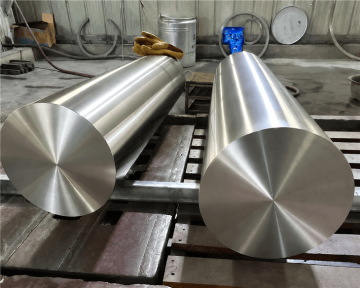
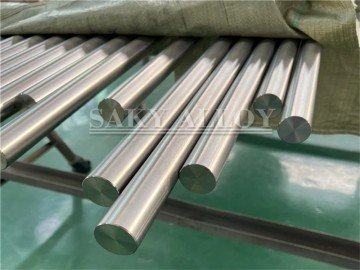
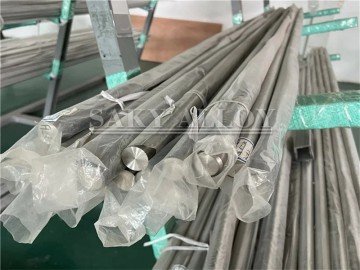
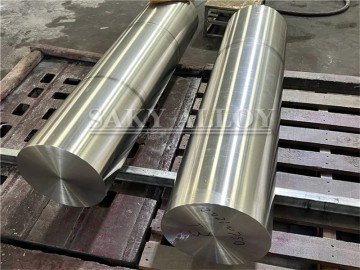
Our titanium products include bars, plates, tubes, wires, forgings and customized components manufactured according to customer requirements.
We support customers with material selection, mechanical property verification, dimensional requirements and quality documentation.
For titanium and specialty alloy requirements, please provide the required grade, product form, dimensions, quantity and application details.
Conclusion
Ductility is a critical mechanical property that describes a material’s ability to deform before fracture. It affects manufacturing performance, safety, reliability and service life in many engineering applications.
For titanium and specialty alloys, understanding ductility helps engineers select materials that provide the right balance of strength, flexibility and durability. SAKY ALLOY provides high-performance titanium and alloy materials for customers requiring reliable solutions in demanding environments.