
What Is Grade 5 Titanium?
The Industry Standard for High-Performance Titanium Alloys
When professionals across aerospace, medical, and industrial sectors talk about titanium, Grade 5 titanium often takes center stage. It is the most widely used titanium alloy in the world and accounts for a major share of titanium applications across multiple industries.
But what is Grade 5 titanium, exactly? Why is it so popular, and what makes it superior to commercially pure titanium in many demanding environments?
In this article, we’ll explore the composition, properties, benefits, and wide-ranging applications of Grade 5 titanium, also known as Ti-6Al-4V. Whether you’re sourcing materials for aerospace fasteners or medical implants, this comprehensive guide will explain why Grade 5 remains the gold standard in titanium alloys.
Understanding Grade 5 Titanium: Composition and Naming
Grade 5 titanium, also known as Ti-6Al-4V, is an alloy made of 90% titanium, 6% aluminum, and 4% vanadium. The addition of aluminum and vanadium significantly enhances the metal’s strength, hardness, and thermal stability without sacrificing titanium’s natural corrosion resistance.
This alloy is standardized under ASTM and ISO as ASTM B348, ASTM F136, and AMS 4928, depending on the specific form and application. It is classified as an alpha-beta titanium alloy, meaning it contains both alpha and beta phase crystalline structures—resulting in a unique combination of strength and ductility.
Grade 5 is often referred to as the “workhorse” of titanium alloys due to its versatility and outstanding balance of mechanical and chemical properties.
Key Properties of Grade 5 Titanium
Grade 5 titanium stands out due to its exceptional strength-to-weight ratio, a defining factor in its widespread adoption in high-performance engineering. It is significantly stronger than commercially pure titanium (such as Grade 1 or Grade 2), yet remains nearly 45% lighter than steel.
One of the most important attributes of Grade 5 is its fatigue resistance, making it suitable for cyclic loading conditions such as those experienced in jet engines, racing vehicles, and medical implants.
Another crucial property is its ability to retain strength at elevated temperatures, often performing reliably in temperatures up to 400°C (752°F). This heat resistance allows it to be used in turbine blades, heat shields, and other high-temperature applications.
Grade 5 also offers excellent corrosion resistance in oxidizing environments, including saltwater, chlorides, and many acids. It resists oxidation and chemical attack even in harsh industrial and marine settings.
Grade 5 Titanium in Aerospace and Aviation
The aerospace industry was among the first to recognize the potential of Grade 5 titanium. Today, it is widely used in both commercial and military aircraft due to its high strength, low weight, and ability to withstand extreme temperatures and pressures.
Typical aerospace applications include:
-
Airframe components
-
Landing gear
-
Engine casings and compressor blades
-
Fasteners and bolts
-
Structural brackets
Using Grade 5 titanium in aerospace design contributes to fuel efficiency, weight reduction, and structural integrity, all critical factors in modern aircraft development.
Grade 5 Titanium in the Medical Field
Due to its biocompatibility, Grade 5 titanium is also extensively used in orthopedic implants, dental devices, and surgical tools. A special medical-grade version known as Grade 23 (Ti-6Al-4V ELI) is used when extra-low interstitial impurities are required for implantation inside the human body.
In the medical industry, Grade 5 titanium is chosen for:
-
Hip and knee replacements
-
Spinal implants
-
Dental implants and abutments
-
Bone plates and screws
-
High-precision surgical tools
Its ability to integrate with bone (osseointegration) and resist corrosion from bodily fluids makes it an ideal long-term implant material.
Grade 5 Titanium in Automotive and Motorsports
In high-performance automotive and racing sectors, every gram matters. Grade 5 titanium is frequently used in:
-
Exhaust systems
-
Engine valves
-
Suspension components
-
Drive shafts
-
Wheel bolts
Its low density and high tensile strength help reduce overall vehicle weight, improve acceleration, and enhance safety and handling. In motorsports, titanium components can withstand extreme temperatures and mechanical stress better than most steel or aluminum parts.
Grade 5 Titanium in Marine and Chemical Processing
Titanium’s excellent resistance to saltwater and industrial chemicals makes it valuable in offshore, naval, and chemical processing equipment.
Applications include:
-
Heat exchangers
-
Piping systems
-
Submarine components
-
Reactor vessels
-
Valves and pumps
Unlike stainless steel, titanium does not suffer from pitting or crevice corrosion in chloride-rich environments. Grade 5 titanium components last longer and require less maintenance, especially in corrosive or high-pressure systems.
Is Grade 5 Titanium Difficult to Work With?
Grade 5 titanium is more challenging to machine and form than pure titanium grades due to its hardness. It requires specialized cutting tools, slower speeds, and cooling techniques to prevent tool wear and material deformation.
However, it is weldable under controlled conditions, particularly using inert gas shielding like argon TIG welding. For critical applications, post-weld heat treatment may be required to restore material strength and structure.
Despite the challenges, experienced manufacturers can process Grade 5 titanium into a wide variety of custom components, including forged, turned, and CNC-machined parts.
Finishing, Anodizing, and Surface Treatment
Grade 5 titanium has a naturally satin grey finish, which can be polished to a shine or enhanced through anodizing, a process that produces colored oxide layers without dyes. This is especially useful in:
-
Medical device labeling
-
Aerospace part coding
-
Consumer products like watches or pens
Anodized Grade 5 titanium also offers slightly increased surface hardness and wear resistance, making it suitable for decorative or high-contact applications.
Why Choose Grade 5 Titanium from SAKYALLOY?
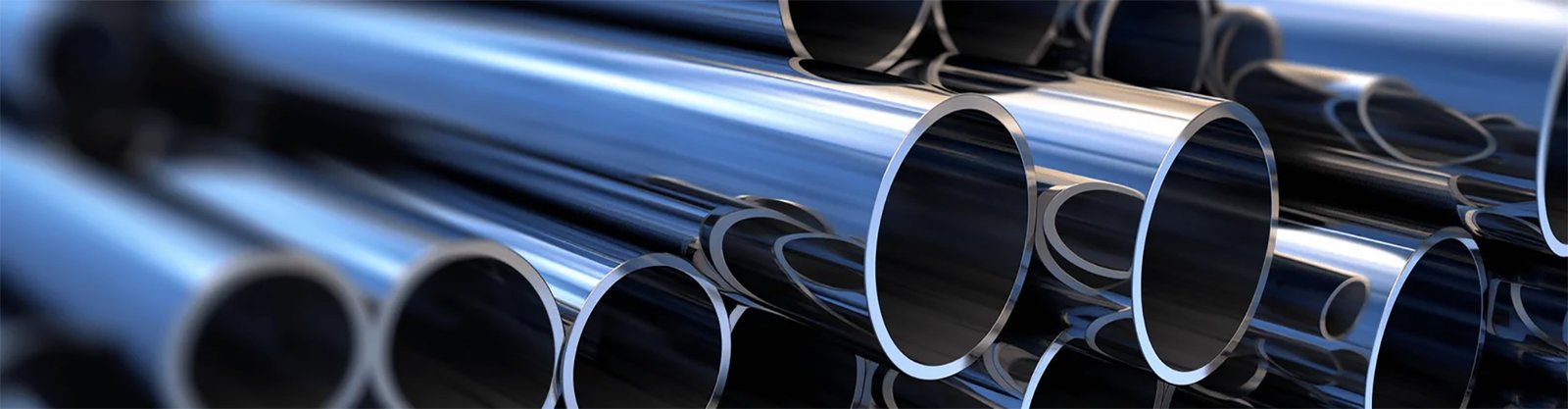
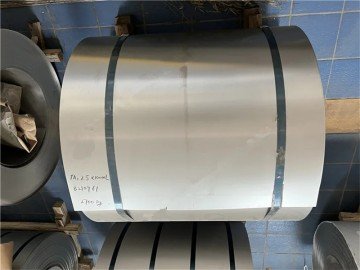
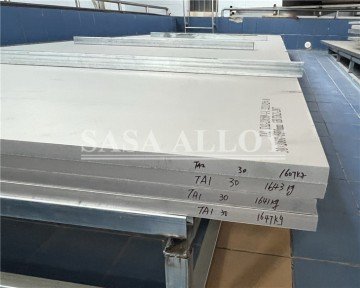
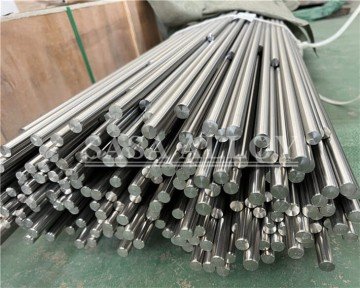
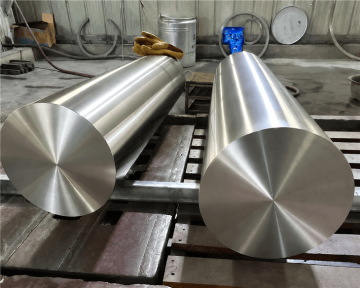
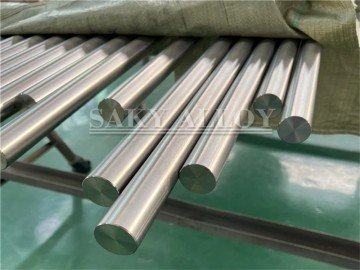
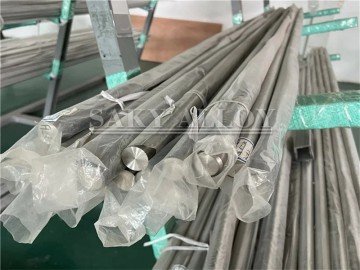
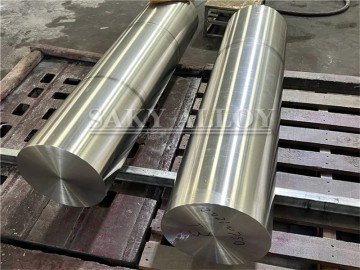
At sakyalloy, we specialize in supplying Grade 5 titanium bars, sheets, rods, tubes, and custom components that meet international standards such as ASTM B348 and AMS 4928. Our materials are used in aerospace, defense, chemical, and medical applications around the world.
We offer:
-
Full traceability and test reports
-
Precision cutting and custom forging
-
Export packaging and global delivery
-
Expert technical support
Whether you’re developing a high-altitude drone, a medical implant, or a racing engine, sakyalloy provides Grade 5 titanium you can trust for strength, consistency, and long-term performance.
Final Thoughts
So, what is Grade 5 titanium? It is the ultimate high-performance titanium alloy, offering a powerful combination of strength, corrosion resistance, thermal stability, and lightweight properties. From aerospace engineering to advanced medical devices, this alloy enables cutting-edge technology and innovation.
Its unique balance of properties makes it the top choice for engineers and designers who need a material that can perform in extreme environments without compromise.
If you’re sourcing titanium materials for your next project, contact sakyalloy today or visit www.sakysteel.com to explore our complete range of titanium alloys, including Grade 5.