
What is Grade 9 Titanium Used For?
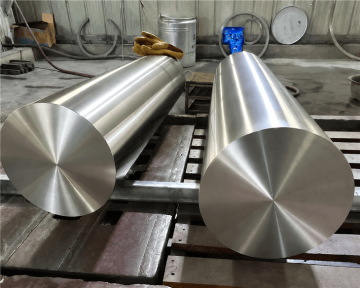
Titanium is a highly versatile metal prized for its exceptional strength-to-weight ratio, corrosion resistance, and biocompatibility. Across its many grades, Grade 9 titanium (Ti-3Al-2.5V) has earned a unique position. Known as a medium-strength titanium alloy, Grade 9 combines many of the benefits of commercially pure (CP) titanium with added strength from alloying elements.
So, what is Grade 9 titanium used for? This article explores the properties, advantages, and key applications of this alloy, helping engineers, procurement specialists, and manufacturers understand its importance in modern industries.
What is Grade 9 Titanium?
Grade 9 titanium, also known as Ti-3Al-2.5V, is an alloy composed of:
-
Titanium (Ti): Balance
-
Aluminum (Al): 3%
-
Vanadium (V): 2.5%
It falls between CP titanium and high-strength alloys such as Grade 5 (Ti-6Al-4V), offering a balance of strength, corrosion resistance, and formability.
Mechanical Properties of Grade 9 Titanium
| Property | Typical Value |
|---|---|
| Tensile Strength | ~620 MPa |
| Yield Strength | ~530 MPa |
| Elongation | ~15% |
| Hardness (HB) | ~200 |
| Density | 4.5 g/cm³ |
Key Insight: Grade 9 titanium is stronger than CP grades (1–4) but slightly less strong than Grade 5. However, it offers better weldability and formability than Grade 5, making it easier to fabricate into tubing and complex structures.
Corrosion Resistance
Grade 9 titanium maintains excellent corrosion resistance in a wide range of environments:
-
Seawater and marine atmospheres
-
Oxidizing acids (such as nitric acid)
-
Chlorides and brines
-
Chemical processing conditions
-
Biological environments (biocompatible)
Its natural oxide film provides long-term protection, making it highly reliable in aggressive settings.
Advantages of Grade 9 Titanium
-
Medium Strength: Provides more strength than CP titanium without sacrificing too much ductility.
-
Excellent Weldability: Easier to weld compared to Grade 5, making it ideal for piping and tubing.
-
Good Cold Formability: Can be shaped into thin-walled tubes and structural parts.
-
Corrosion Resistance: Performs well in seawater, chemical, and biomedical environments.
-
Light Weight: 45% lighter than steel with comparable mechanical strength.
What is Grade 9 Titanium Used For?
1. Aerospace Industry
Grade 9 titanium is widely used in the aerospace sector due to its balance of strength, weight savings, and corrosion resistance. Common applications include:
-
Hydraulic tubing
-
Airframe structures
-
Engine components
-
Fuel lines
-
Heat exchangers
Its ability to withstand stress in both high and low temperatures makes it invaluable for modern aircraft.
2. Automotive and Motorsport
In high-performance vehicles, reducing weight while maintaining strength is critical. Grade 9 titanium is used in:
-
Exhaust systems
-
Valves and connecting rods
-
Suspension components
-
Roll cages for racing vehicles
This contributes to faster speeds, improved fuel efficiency, and better handling.
3. Marine Applications
With its resistance to seawater corrosion, Grade 9 titanium is an ideal material for:
-
Offshore oil and gas platforms
-
Desalination plants
-
Shipbuilding
-
Submarine components
It ensures long service life even in harsh saltwater conditions.
4. Chemical Processing
In the chemical industry, Grade 9 titanium is used for equipment exposed to corrosive acids and chlorides, including:
-
Heat exchangers
-
Reactors
-
Piping systems
-
Condensers
Its combination of strength and corrosion resistance lowers maintenance costs and increases operational safety.
5. Medical Devices and Implants
Due to its biocompatibility, Grade 9 titanium is used in medical and dental implants where moderate strength and corrosion resistance are required. It is also used in surgical instruments, orthopedic devices, and prosthetics.
6. Sports and Recreation Equipment
The lightweight and durable nature of Grade 9 titanium makes it a premium material for:
-
Bicycle frames
-
Golf clubs
-
Tennis rackets
-
Camping gear
High-performance athletes and outdoor enthusiasts value the combination of lightness, strength, and longevity.
Comparison with Other Titanium Grades
-
Vs. Grade 2 (CP Titanium): Stronger but slightly less ductile. Better for load-bearing structures.
-
Vs. Grade 5 (Ti-6Al-4V): Slightly weaker but easier to weld and form, making it more versatile for tubing.
-
Vs. Grade 23 (ELI): Grade 23 is more biocompatible for implants, while Grade 9 is better for structural tubing.
Case Study Example
An aerospace manufacturer needed tubing that combined strength with ease of fabrication. While Grade 5 titanium offered higher strength, its weldability issues made it less suitable. By switching to Grade 9 titanium tubing, the company achieved reliable weld joints, reduced weight in aircraft systems, and extended service life without compromising safety.
Future Outlook for Grade 9 Titanium
As industries demand lightweight, sustainable materials, Grade 9 titanium is expected to see increased usage in:
-
Electric vehicles (battery systems and lightweight structures).
-
Renewable energy (offshore wind, hydrogen storage).
-
Advanced aerospace projects.
-
Customized medical implants through additive manufacturing.
Why Choose sakyalloy for Grade 9 Titanium
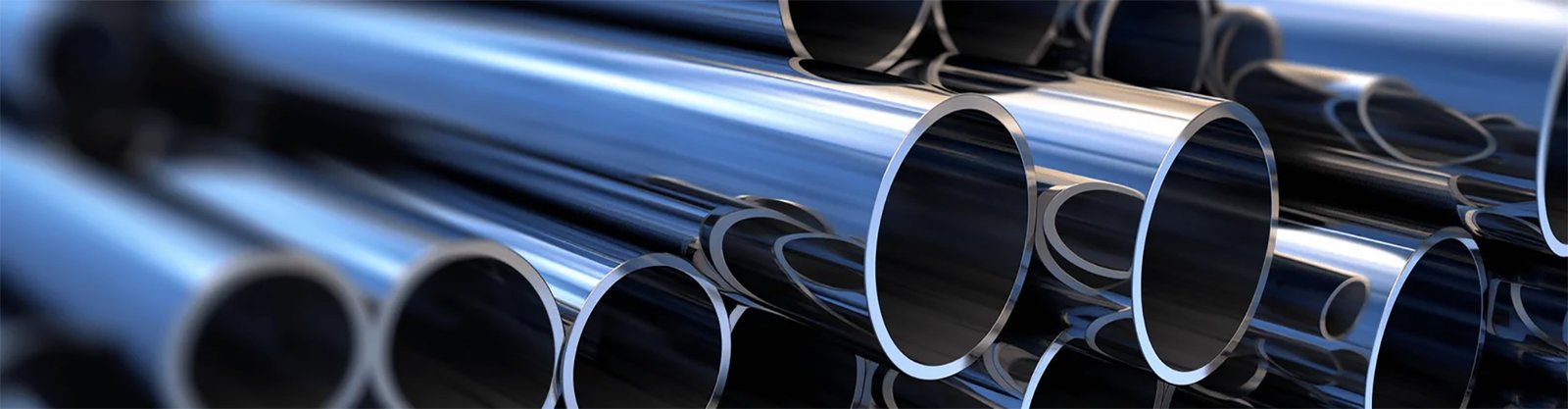
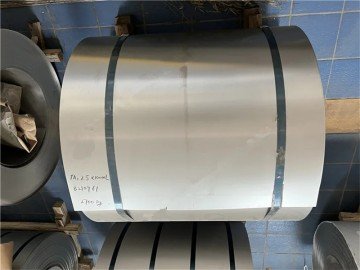
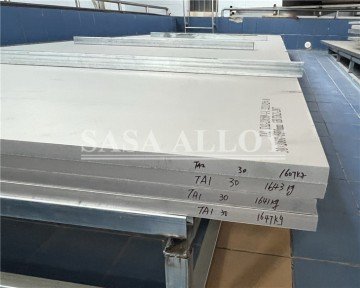
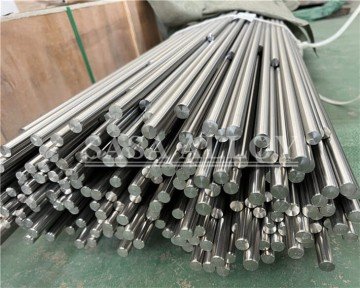
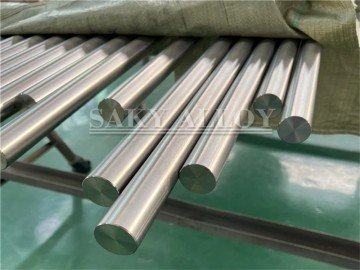
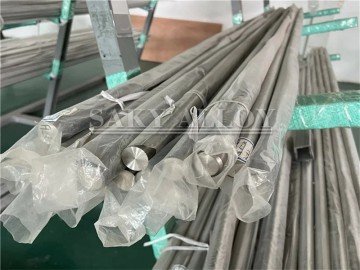
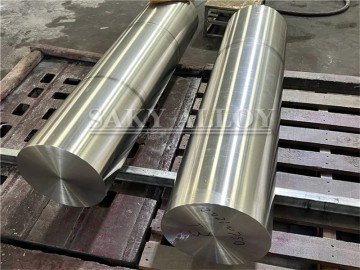
Selecting a dependable supplier ensures quality and consistency in titanium products. sakyalloy provides Grade 9 titanium in tubes, pipes, sheets, and custom components, all meeting ASTM, AMS, and ISO standards. With advanced processing technology, strict quality inspections, and global delivery, sakyalloy guarantees materials that deliver strength, durability, and performance in critical applications.
Whether for aerospace tubing, marine equipment, or medical devices, sakyalloy offers Grade 9 titanium solutions tailored to customer requirements.
Conclusion
Grade 9 titanium (Ti-3Al-2.5V) is a medium-strength titanium alloy that bridges the gap between commercially pure titanium and higher-strength alloys like Grade 5. Its excellent weldability, corrosion resistance, and light weight make it a versatile material for aerospace, automotive, marine, chemical, medical, and sporting industries.
By combining strength with formability, Grade 9 titanium continues to be a preferred choice in applications where safety, reliability, and weight savings are essential. Understanding what Grade 9 titanium is used for helps industries choose the right material to meet performance and cost-efficiency goals.