
What Is Stronger Titanium or Steel?
When it comes to engineering materials, two metals often dominate discussions: titanium and steel. Both are widely used across industries ranging from aerospace and automotive to construction and medical devices. Each material has unique advantages, but the recurring question remains: what is stronger titanium or steel?
The answer isn’t as straightforward as it might seem, since “strength” can refer to different properties, such as tensile strength, yield strength, hardness, and fatigue resistance. To truly understand which metal is stronger, it’s essential to break down the comparison from multiple angles.
Understanding Strength in Metals
Before comparing titanium and steel, we need to define what engineers mean by strength:
-
Tensile Strength: The maximum stress a material can withstand when being stretched or pulled.
-
Yield Strength: The stress at which a material begins to deform permanently.
-
Hardness: Resistance to indentation, wear, and scratching.
-
Fatigue Strength: The ability to withstand repeated loading cycles without failure.
Different applications value different forms of strength. For example, aerospace designers prioritize strength-to-weight ratio, while construction projects often emphasize compressive strength and affordability.
Titanium: Properties and Strength
Titanium is renowned for its lightweight and corrosion resistance. Pure titanium and its alloys are extensively used in aerospace, marine, and biomedical applications.
Key Properties:
-
Density: ~4.5 g/cm³ (about 56% that of steel).
-
Tensile Strength: ~434–1380 MPa (depending on grade).
-
Excellent corrosion resistance, even in seawater and harsh chemicals.
-
Non-magnetic and biocompatible.
Strength Advantages:
-
High strength-to-weight ratio: Titanium is almost as strong as high-strength steels but nearly half the weight.
-
Resistant to fatigue and cracking under stress.
-
Performs well in extreme temperatures.
Steel: Properties and Strength
Steel is an alloy of iron with carbon and other elements, and it comes in many grades, from mild steel to high-strength tool steels and stainless steels.
Key Properties:
-
Density: ~7.85 g/cm³.
-
Tensile Strength: ~400–2000 MPa (depending on alloy and heat treatment).
-
Can be alloyed with chromium, nickel, molybdenum, and vanadium for enhanced properties.
-
Widely available and cost-effective.
Strength Advantages:
-
Higher hardness and compressive strength compared to titanium.
-
Easier to machine and weld in most cases.
-
Available in a broader range of grades tailored to specific applications.
Titanium vs. Steel: Head-to-Head Comparison
| Property | Titanium | Steel |
|---|---|---|
| Density | 4.5 g/cm³ (lighter) | 7.85 g/cm³ (heavier) |
| Tensile Strength | Up to ~1380 MPa | Up to ~2000 MPa |
| Yield Strength | ~275–1100 MPa | ~250–1800 MPa |
| Hardness | Lower than hardened steel | Higher, especially tool steels |
| Corrosion Resistance | Excellent (seawater, chemicals) | Varies (stainless steel is good, carbon steel less so) |
| Cost | High | Lower |
| Machinability | More difficult | Easier |
From the table, it’s clear that steel generally surpasses titanium in absolute tensile strength and hardness. However, titanium offers a much better strength-to-weight ratio. This makes titanium the preferred choice in industries where weight reduction is critical.
Applications of Titanium
-
Aerospace: Aircraft frames, jet engines, spacecraft.
-
Medical: Implants, prosthetics, surgical tools due to biocompatibility.
-
Marine: Ship components and offshore structures due to seawater resistance.
-
Automotive: High-performance car components like valves and connecting rods.
Applications of Steel
-
Construction: Bridges, buildings, pipelines.
-
Automotive: Chassis, body panels, reinforcement parts.
-
Industrial Tools: Drill bits, cutting tools, machinery.
-
Energy: Pressure vessels, turbines, oil rigs.
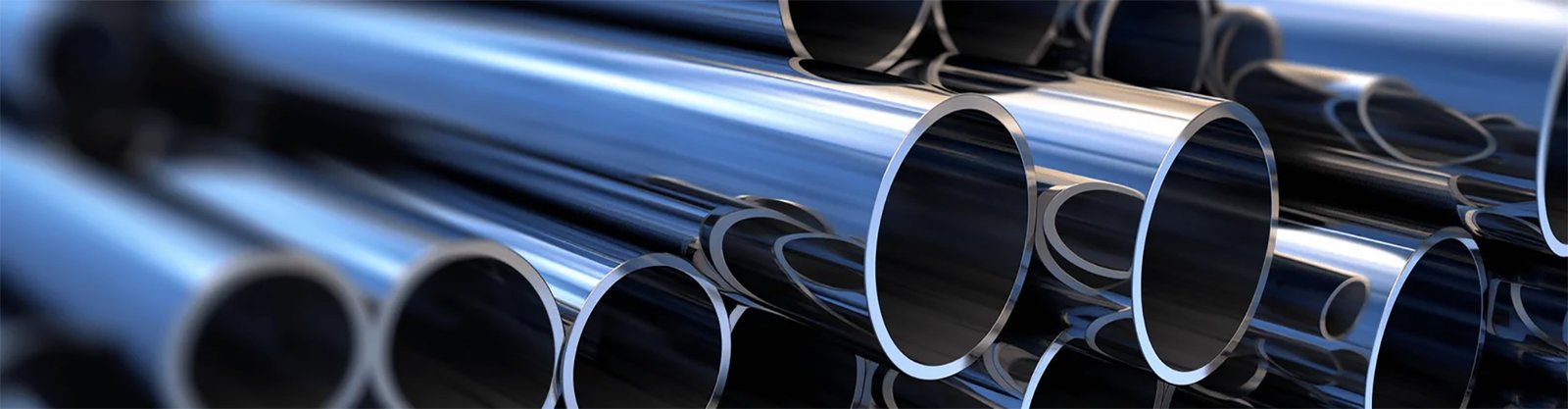
Suppliers like sakyalloy provide both titanium and steel products, tailored to the exacting needs of industries worldwide. Their extensive catalog includes titanium bars, steel plates, stainless steel pipes, and specialty alloys for critical projects.
Cost and Availability
One of the main reasons steel is more common than titanium is cost. Titanium is expensive to extract and refine, while steel is abundant and relatively inexpensive. In applications where weight and corrosion resistance are less critical, steel remains the dominant choice.
Which One Is Stronger?
The answer depends on how we define strength:
-
Absolute Strength: Steel wins, especially hardened and alloyed steels.
-
Strength-to-Weight Ratio: Titanium wins, making it unbeatable for aerospace and high-performance applications.
-
Corrosion Resistance: Titanium wins in harsh environments.
-
Durability in Heavy Loads: Steel often performs better under compressive stress.
Future Trends
With advancements in metallurgy, both materials continue to evolve:
-
Titanium Alloys: Being developed for even higher strength and wider applications in energy and defense.
-
Advanced Steels: High-strength low-alloy (HSLA) steels and stainless steels are making pipelines, vehicles, and structures stronger and lighter.
Conclusion
So, what is stronger titanium or steel? The answer lies in the context:
-
If weight reduction and corrosion resistance are top priorities, titanium stands out.
-
If absolute tensile strength, hardness, and cost-effectiveness are required, steel remains superior.
Both metals are indispensable to modern engineering, each dominating in its respective field. By understanding their differences, engineers and buyers can make informed decisions. With reliable suppliers like sakyalloy, industries can access top-quality titanium and steel products, ensuring performance and durability for every application.