
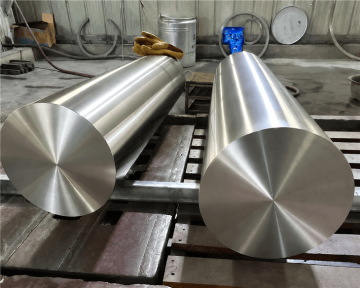
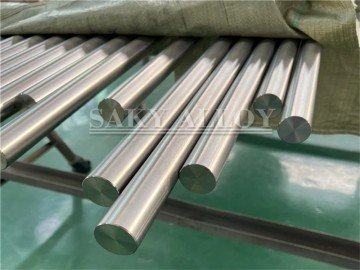
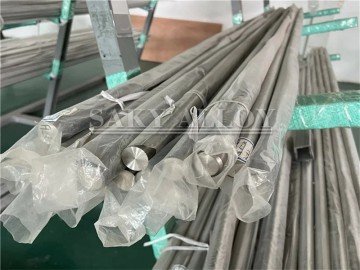
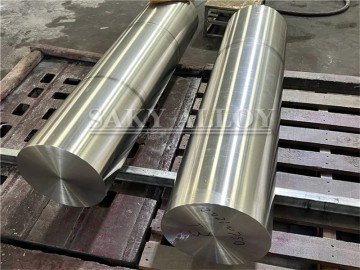
What Is TA15 Titanium Alloy?
Titanium alloys have gained a prominent position in modern industries thanks to their excellent balance of strength, weight, and corrosion resistance. Among the many titanium grades available, TA15 titanium alloy is one of the most widely recognized high-performance materials used in aerospace, marine, and industrial applications. But what exactly is TA15 titanium alloy, and why is it so important?
This article explores the composition, properties, manufacturing methods, advantages, applications, and challenges of TA15 titanium alloy in detail.
Introduction to TA15 Titanium Alloy
TA15 titanium alloy is a near-alpha titanium alloy developed and widely used in China. It is designed to perform well under high-temperature environments while maintaining outstanding mechanical strength and oxidation resistance. Compared to other titanium grades, TA15 offers a unique combination of properties, making it suitable for demanding structural applications.
It is often compared with internationally recognized alloys such as Ti-6Al-4V but has its own distinctive features that make it a valuable choice for engineers.
Chemical Composition of TA15 Titanium Alloy
The typical composition of TA15 titanium alloy includes:
-
Aluminum (Al): 5.5–6.5%
-
Zirconium (Zr): 1.5–2.5%
-
Molybdenum (Mo): 0.8–1.5%
-
Silicon (Si): 0.2–0.5%
-
Titanium (Ti): Balance
This combination of elements provides the alloy with excellent oxidation resistance, creep strength, and weldability, especially at high service temperatures.
Key Properties of TA15 Titanium Alloy
-
High-Temperature Resistance
TA15 alloy maintains mechanical strength up to about 500°C, which is crucial for aerospace components. -
High Specific Strength
The alloy is strong yet lightweight, which is essential for reducing structural weight in aircraft and spacecraft. -
Excellent Weldability
TA15 can be welded without significant reduction in performance, making it easier to fabricate complex structures. -
Good Oxidation Resistance
The addition of silicon and aluminum improves resistance to oxidation in high-temperature environments. -
Moderate Corrosion Resistance
While not as corrosion-resistant as commercially pure titanium, it offers sufficient resistance in many industrial applications.
Mechanical Properties
-
Tensile Strength: 930–1030 MPa
-
Yield Strength: 850–930 MPa
-
Elongation: 10–15%
-
Elastic Modulus: ~110 GPa
These mechanical properties highlight the alloy’s ability to withstand high stress while retaining flexibility.
Manufacturing Methods for TA15
The production of TA15 titanium alloy involves advanced metallurgical techniques:
-
Forging and Rolling: Commonly used for plates, bars, and billets.
-
Powder Metallurgy: Enables production of near-net shape parts with minimal material waste.
-
Additive Manufacturing (3D Printing): Increasingly used for producing aerospace parts with complex geometries.
Heat treatment such as solution treatment and aging can further optimize mechanical properties depending on application requirements.
Advantages of TA15 Titanium Alloy
-
High Performance at Elevated Temperatures – Ideal for aerospace engines and structural components.
-
Lightweight Strength – Reduces overall system weight, improving fuel efficiency.
-
Good Processing Capability – Can be welded and machined using standard titanium processing methods.
-
Durability – Withstands high stress and oxidation for extended service life.
Limitations of TA15
-
Cost: More expensive compared to conventional steels and some titanium alloys.
-
Machinability: Difficult to machine compared to aluminum or stainless steel.
-
Availability: Primarily produced in China, with limited global availability compared to Ti-6Al-4V.
Applications of TA15 Titanium Alloy
-
Aerospace Industry
-
Aircraft engine compressor components
-
Structural airframe parts
-
Rocket motor cases
-
-
Marine Industry
-
Offshore drilling equipment
-
Ship structures requiring high strength and oxidation resistance
-
-
Industrial Equipment
-
Chemical processing vessels
-
Heat exchangers
-
-
Military Applications
-
Used in defense equipment where high strength and temperature performance are crucial.
-
TA15 vs Other Titanium Alloys
-
TA15 vs Ti-6Al-4V: TA15 offers better high-temperature resistance, while Ti-6Al-4V is more versatile and widely available.
-
TA15 vs TA2 (Commercially Pure Titanium): TA2 is more corrosion-resistant, but TA15 is stronger and better suited for aerospace.
-
TA15 vs TC4 (Chinese Equivalent of Ti-6Al-4V): TA15 has superior oxidation resistance due to silicon content.
Why Industries Trust TA15
The strength, oxidation resistance, and weldability of TA15 titanium alloy make it a reliable choice for critical applications. Companies like sakyalloy specialize in providing high-quality TA15 titanium alloy products that meet stringent industry standards. With sakyalloy as a trusted supplier, manufacturers can ensure consistent material performance and reliability in demanding environments.
Future of TA15 Titanium Alloy
With increasing demand in aerospace, defense, and advanced manufacturing, TA15 titanium alloy is expected to see growing applications. The rise of 3D printing technologies will further expand its use in producing lightweight and complex aerospace parts. Additionally, advancements in processing techniques may help reduce costs and improve global accessibility.
Conclusion
TA15 titanium alloy is a high-performance near-alpha alloy known for its excellent strength, high-temperature resistance, and weldability. While it comes with higher costs and machining challenges, its unique properties make it indispensable for aerospace, marine, and industrial applications.
For industries seeking a balance of durability, performance, and lightweight strength, TA15 remains one of the best titanium alloy choices. Its role in advancing aerospace and defense technologies highlights its importance in modern engineering.