
What Is the Properties of Titanium?
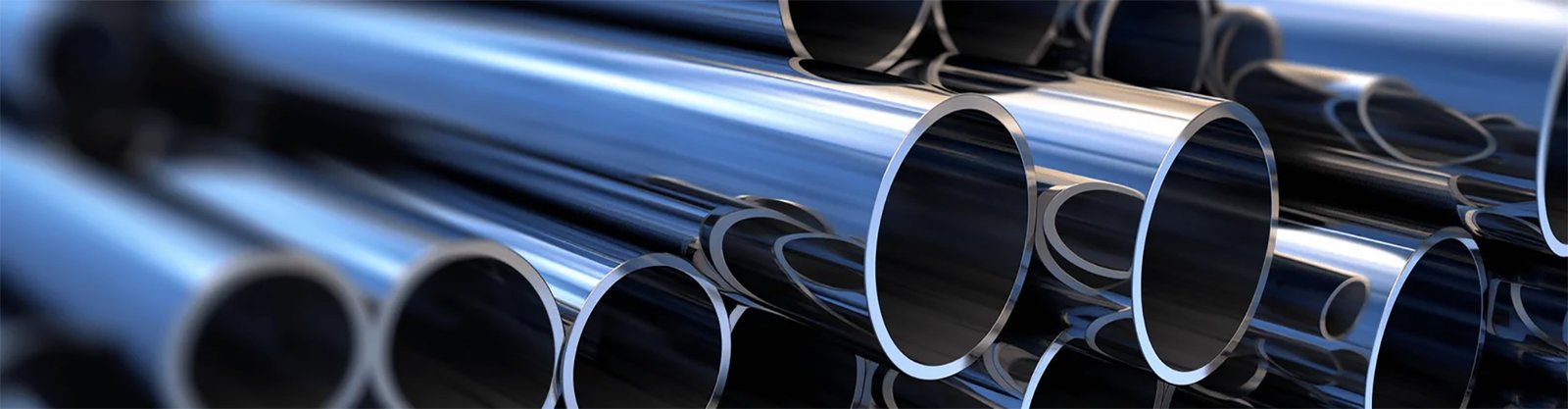
Titanium is one of the most remarkable metals used in modern industries. Known for its unique balance of lightweight strength, corrosion resistance, and biocompatibility, titanium has become a critical material in aerospace, medical, marine, chemical, and energy applications. When engineers and scientists evaluate metals for challenging environments, titanium often stands out due to its properties.
In this article, we will explore in detail the properties of titanium, why they matter, and how they make titanium indispensable in global industries.
Introduction to Titanium
Titanium (Ti) is a transition metal with an atomic number of 22. It was first discovered in the 18th century and gained importance in the 20th century with the development of aerospace technology. Today, titanium is not just a high-performance engineering metal but also a symbol of innovation in design and manufacturing.
Physical Properties of Titanium
1. Density
-
Titanium has a density of 4.51 g/cm³, which is about 60% that of steel but heavier than aluminum.
-
This gives it an excellent strength-to-weight ratio, making it ideal for aerospace and automotive applications.
2. Melting Point
-
Titanium has a high melting point of 1668°C, allowing it to maintain structural integrity under extreme heat.
-
This makes it suitable for jet engines, turbines, and high-temperature industrial environments.
3. Strength
-
Pure titanium has moderate strength, but when alloyed, it reaches levels comparable to high-strength steels.
-
Titanium alloys achieve tensile strengths ranging from 480 MPa to over 1100 MPa.
4. Hardness
-
Titanium is harder than aluminum but softer than tungsten and tool steels.
-
Its hardness helps resist wear in demanding applications.
5. Elastic Modulus
-
Titanium has a modulus of elasticity of 116 GPa, lower than steel, meaning it is more flexible under stress.
-
This property allows it to absorb impact without permanent deformation.
6. Color and Appearance
-
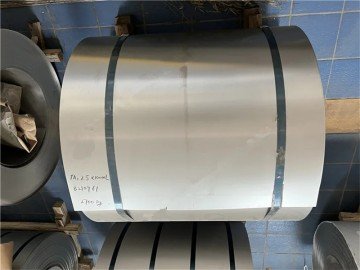
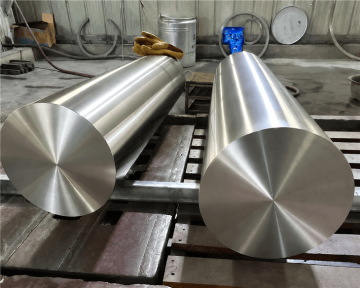
Pure titanium is silvery gray, with a smooth metallic luster.
-
It is often anodized to produce decorative colors for consumer goods and jewelry.
Chemical Properties of Titanium
1. Corrosion Resistance
-
Titanium naturally forms a stable oxide layer, making it resistant to corrosion in seawater, chlorine, acids, and alkalis.
-
This is why titanium is widely used in marine, chemical, and medical industries.
2. Reactivity
-
Titanium reacts slowly with oxygen, nitrogen, and water at room temperature.
-
At high temperatures, it reacts more actively, which is important in processing.
3. Non-Toxic and Biocompatible
-
Titanium is non-toxic and does not react negatively with human tissues or fluids.
-
This makes it the metal of choice for implants, prosthetics, and surgical instruments.
4. Resistance to Erosion
-
Titanium resists erosion by fast-flowing seawater, making it suitable for desalination plants and offshore platforms.
Mechanical Properties of Titanium
-
High tensile strength: Ensures durability in structural applications.
-
Low thermal expansion: Titanium expands less than aluminum, which helps maintain precision in aerospace structures.
-
Excellent fatigue resistance: Performs reliably under cyclic stresses, vital in aircraft and medical implants.
Electrical and Thermal Properties
-
Electrical conductivity: Lower than copper and aluminum, so titanium is not widely used in wiring.
-
Thermal conductivity: About 22 W/m·K, lower than aluminum, meaning it retains heat longer.
-
Non-magnetic nature: Ideal for sensitive electronic and medical applications.
Industrial Applications of Titanium Based on Its Properties
1. Aerospace Industry
Titanium’s lightweight and strength make it essential in aircraft fuselages, landing gear, and jet engine components.
2. Marine Industry
Its corrosion resistance in seawater ensures long service life in ship hulls, propeller shafts, and offshore platforms.
3. Chemical Processing
Titanium resists acids, alkalis, and chloride solutions, making it perfect for heat exchangers, reactors, and storage tanks.
4. Medical Applications
Because of its biocompatibility, titanium is widely used in orthopedic implants, dental implants, and surgical tools.
5. Energy Sector
Titanium is employed in nuclear power plants and renewable energy systems due to its durability and resistance to extreme environments.
Comparison of Titanium with Other Metals
| Property | Titanium | Aluminum | Steel |
|---|---|---|---|
| Density | 4.51 g/cm³ | 2.70 g/cm³ | 7.85 g/cm³ |
| Tensile Strength | 480–1100 MPa | 90–570 MPa | 400–2000 MPa |
| Corrosion Resistance | Excellent | Good | Moderate (needs coating) |
| Biocompatibility | Excellent | Limited | Poor |
| Melting Point | 1668°C | 660°C | ~1370–1500°C |
This table shows why titanium is unique: stronger than aluminum, lighter than steel, and unmatched in corrosion resistance and biocompatibility.
Advantages of Titanium
-
Lightweight yet strong
-
Long service life in harsh environments
-
Safe for medical and food applications
-
High resistance to corrosion and erosion
-
Reliable under extreme heat and stress
Challenges of Titanium
-
High Cost: More expensive than steel and aluminum due to difficult extraction and processing.
-
Fabrication Complexity: Requires special tools and methods for machining and welding.
-
Limited Availability: Not as abundant in industrial supply chains as aluminum or steel.
Despite these challenges, titanium remains irreplaceable in high-performance industries.
The Future of Titanium
With growing demand for sustainability, lightweight structures, and medical innovation, titanium is expected to play an even larger role in the future. Advances in additive manufacturing (3D printing) and new titanium alloys will make this metal more accessible and cost-effective.
Final Thoughts
So, what is the properties of titanium? Titanium is lightweight, strong, corrosion-resistant, biocompatible, and capable of withstanding extreme environments. These properties make it one of the most valuable metals in aerospace, marine, chemical, and medical industries.
While it is more expensive than other metals, its performance and durability justify the investment. For industries seeking reliable titanium materials, trusted suppliers such as sakyalloy provide certified alloys that meet global standards. By sourcing titanium from sakyalloy, companies ensure long-term performance, safety, and efficiency in demanding applications.