
What is the Strength of Titanium Pipe?
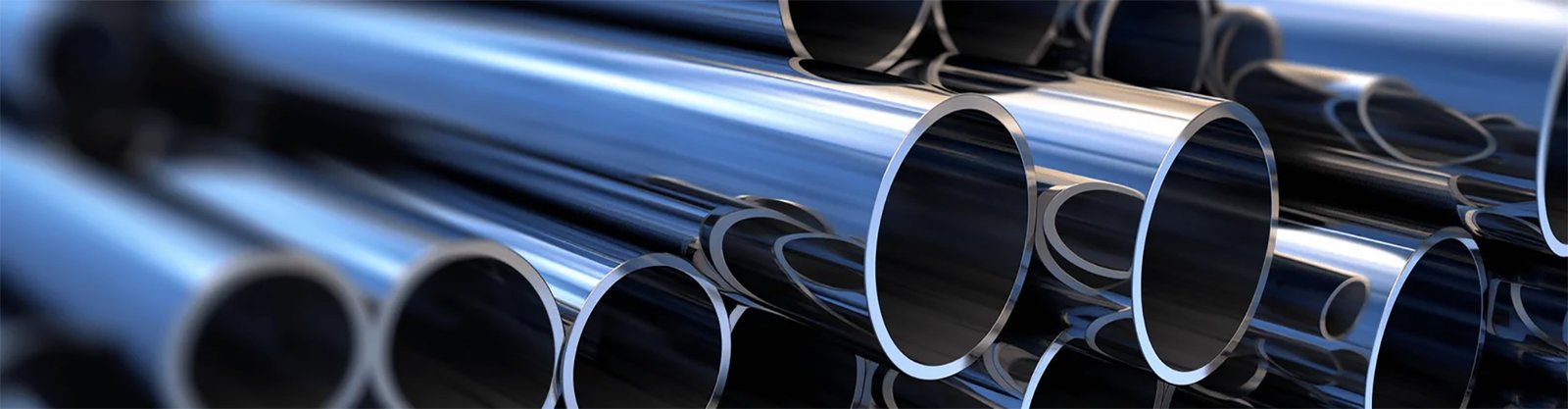
Titanium is a remarkable metal, widely recognized for its excellent combination of strength, light weight, and corrosion resistance. In industries such as aerospace, chemical processing, marine engineering, medical technology, and power generation, titanium pipes are often the preferred material when performance, durability, and reliability are critical.
One of the most frequently asked questions by engineers, procurement specialists, and project managers is: what is the strength of titanium pipe? Understanding the mechanical properties of titanium pipe is essential for making informed decisions about design, safety, and cost efficiency.
This article provides a detailed exploration of the strength of titanium pipes, covering mechanical properties, grades, applications, advantages, and how titanium compares to other metals.
Mechanical Properties of Titanium Pipe
Titanium pipes exhibit an excellent balance between strength and low density. The key properties include:
-
Tensile Strength: Ranges from 240 MPa (commercially pure titanium) to over 1100 MPa (titanium alloys such as Grade 5).
-
Yield Strength: Varies between 170 MPa to 1000 MPa depending on grade.
-
Elongation: Typically 10–30%, offering good ductility.
-
Hardness: Between 70 and 350 HB, depending on alloy composition.
-
Density: 4.5 g/cm³, about 45% lighter than steel.
These properties allow titanium pipes to withstand high mechanical stress while remaining significantly lighter than traditional steel pipes.
Titanium Grades and Their Strength
Commercially Pure (CP) Titanium – Grades 1 to 4
-
Grade 1: Highest ductility, tensile strength ~240 MPa.
-
Grade 2: Balanced strength and corrosion resistance, tensile strength ~345 MPa.
-
Grade 3: Higher strength, tensile strength ~450 MPa.
-
Grade 4: Strongest of CP titanium, tensile strength ~550 MPa.
Titanium Alloys
-
Grade 5 (Ti-6Al-4V): Tensile strength ~900–1100 MPa, yield strength ~830 MPa. Most widely used alloy for aerospace and high-performance applications.
-
Grade 7: Similar to Grade 2 but with added palladium for enhanced corrosion resistance.
-
Grade 12 (Ti-0.3Mo-0.8Ni): Tensile strength ~480 MPa, excellent for chemical processing.
-
Grade 23 (Ti-6Al-4V ELI): Tensile strength ~860 MPa, widely used in medical implants.
Observation: Strength depends heavily on grade selection. Commercially pure grades offer moderate strength with excellent corrosion resistance, while alloyed grades provide very high strength for demanding applications.
Factors Affecting the Strength of Titanium Pipe
-
Grade Selection
Different grades offer different balances of strength, corrosion resistance, and ductility. -
Heat Treatment
Processes such as annealing or aging can increase strength while maintaining ductility. -
Pipe Dimensions
Wall thickness and diameter also influence load-bearing capacity. -
Service Conditions
Operating temperatures and exposure to chemicals can affect long-term strength and durability.
Applications of Titanium Pipe Requiring High Strength
Aerospace
Titanium pipes are used in hydraulic systems, fuel lines, and exhaust systems where strength-to-weight ratio is critical.
Chemical Processing
Pipes carry aggressive acids such as hydrochloric, sulfuric, and nitric acid. Strength ensures long service life under corrosive conditions.
Marine Industry
Titanium pipes resist seawater corrosion while withstanding mechanical loads, making them ideal for offshore structures and desalination plants.
Power Generation
Nuclear and fossil fuel plants use titanium pipes in condensers, where both strength and corrosion resistance are necessary.
Medical Field
Titanium pipes and tubes are used in surgical instruments and implants due to their biocompatibility and high strength.
Comparison with Other Metals
| Property | Titanium Pipe | Stainless Steel Pipe | Aluminum Pipe |
|---|---|---|---|
| Density (g/cm³) | 4.5 | 7.8 | 2.7 |
| Tensile Strength (MPa) | 240–1100 | 500–750 | 100–400 |
| Corrosion Resistance | Excellent | Very Good | Moderate |
| Strength-to-Weight Ratio | Very High | Medium | Medium |
Conclusion: Titanium pipes outperform stainless steel in strength-to-weight ratio and corrosion resistance, making them more efficient despite higher cost.
Advantages of Titanium Pipe Strength
-
High Strength-to-Weight Ratio: Comparable strength to steel but nearly half the weight.
-
Corrosion Resistance: Maintains strength even in seawater and aggressive acids.
-
Durability: Long service life with minimal maintenance.
-
Temperature Resistance: Performs well from cryogenic levels up to 600°C.
Challenges and Considerations
-
Cost: Higher than steel or aluminum due to extraction and processing.
-
Fabrication: Requires specialized welding and machining techniques.
-
Availability: Some grades may have longer lead times.
Despite these challenges, titanium’s strength and performance justify its use in critical industries.
Case Study Example
In a desalination plant, stainless steel pipes failed prematurely due to chloride-induced corrosion. When replaced with Grade 2 titanium pipes, the plant experienced improved durability and efficiency. The titanium pipes’ strength and resistance to seawater extended service life beyond 20 years, significantly reducing maintenance costs.
Future Trends in Titanium Pipe Usage
-
Electric Vehicles: Lightweight, strong titanium pipes in battery cooling systems.
-
Renewable Energy: Offshore wind and hydrogen projects increasingly require titanium pipes.
-
Advanced Alloys: Development of new titanium alloys with even higher strength and fatigue resistance.
-
Sustainability: Recycling of titanium is improving cost efficiency and environmental performance.
Why Choose sakyalloy for Titanium Pipes
Selecting a reliable supplier is critical for titanium products. sakyalloy provides a wide range of titanium pipes in both commercially pure and alloyed grades, meeting ASTM, ASME, and ISO standards. With strict quality control, advanced testing, and global delivery, sakyalloy ensures clients receive high-strength titanium pipes for demanding applications.
Whether for aerospace, marine, or industrial projects, sakyalloy is committed to delivering materials that combine strength, durability, and long-term performance.
Conclusion
The strength of titanium pipe varies depending on grade, ranging from 240 MPa in commercially pure titanium to over 1100 MPa in titanium alloys like Grade 5. This exceptional combination of strength, light weight, and corrosion resistance makes titanium pipes indispensable in aerospace, chemical, marine, medical, and energy industries.
While titanium pipes are more expensive than steel or aluminum, their superior strength-to-weight ratio, durability, and resistance to harsh environments make them a cost-effective choice in the long run. Understanding titanium pipe strength helps industries make informed decisions for safer, more efficient, and more sustainable operations.