
What is Titanium, Chemical Makeup, and How it’s used
Introduction
Titanium is a chemical element with the symbol Ti and atomic number 22. It is a lightweight, strong, corrosion-resistant metal widely used in aerospace, medical, chemical processing, marine and industrial applications.
The titanium element is known for its excellent strength-to-weight ratio, high melting point, and ability to resist corrosion in aggressive environments. Pure titanium and titanium alloys are selected when engineers need a combination of low density, mechanical strength, and long service life.
Although titanium is relatively abundant in the Earth’s crust, producing high-purity titanium metal requires complex extraction and refining processes. This manufacturing challenge makes titanium a valuable engineering material for advanced applications.
- Titanium is a metallic chemical element with the symbol Ti and atomic number 22.
- It has a low density of approximately 4.5 g/cm³, making it lighter than steel.
- Titanium provides excellent corrosion resistance due to its stable oxide layer.
- It is widely used in aerospace, medical implants, marine and chemical industries.
- Titanium alloys improve strength and performance for demanding applications.
Titanium Chemical Makeup and Element Properties
Titanium is a transition metal located in Group 4 of the periodic table. Pure titanium consists primarily of titanium atoms, while engineering titanium materials often contain alloying elements that improve mechanical properties.
| Property | Titanium Value |
|---|---|
| Chemical Symbol | Ti |
| Atomic Number | 22 |
| Atomic Weight | Approximately 47.87 |
| Density | Approximately 4.5 g/cm³ |
| Melting Point | Approximately 1668°C |
| Crystal Structure | Hexagonal Alpha Phase at room temperature |
Commercial titanium products may contain alloying elements such as aluminum, vanadium, molybdenum, palladium, and other elements depending on the required performance.
Why Titanium Has Excellent Performance
High Strength-to-Weight Ratio
Titanium provides strength comparable to many steels while maintaining significantly lower density. This makes it valuable for applications where reducing weight is important.
Outstanding Corrosion Resistance
Titanium naturally forms a thin and stable titanium oxide layer on its surface. This passive layer protects the metal from many corrosive environments, including seawater and chemical media.
Excellent Temperature Performance
Titanium alloys maintain useful mechanical properties at elevated temperatures, making them suitable for aerospace and industrial applications.
Biocompatibility
Titanium is compatible with the human body and is widely used in medical implants, surgical instruments and biomedical applications.
Pure Titanium vs Titanium Alloy
| Material Type | Characteristics | Applications |
|---|---|---|
| Commercially Pure Titanium | Excellent corrosion resistance and ductility | Chemical equipment, marine, medical |
| Titanium Alloy | Higher strength through alloying elements | Aerospace, turbines, high-performance components |
Common Titanium Grades and Their Uses
| Grade | Main Characteristics | Typical Applications |
|---|---|---|
| Grade 1 | Excellent ductility and corrosion resistance | Chemical equipment, heat exchangers |
| Grade 2 | General-purpose commercially pure titanium | Marine, industrial piping |
| Grade 5 (Ti-6Al-4V) | High strength titanium alloy | Aerospace, medical implants |
| Grade 9 | Good strength and formability | Tubing, marine and industrial applications |
Industrial Applications of Titanium
- Aerospace structures and aircraft components
- Medical implants and surgical equipment
- Chemical processing equipment
- Marine components exposed to seawater
- Power generation equipment
- Oil and gas applications
- High-performance industrial parts
Titanium Products Supplied by SAKY ALLOY
SAKY ALLOY supplies titanium materials for global industrial applications, including:
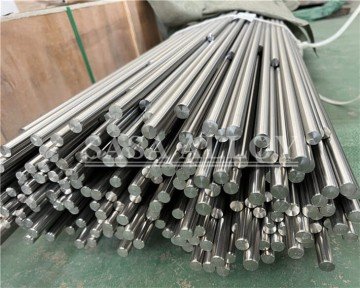
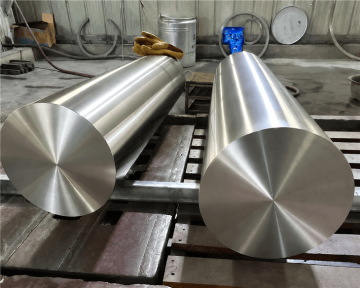
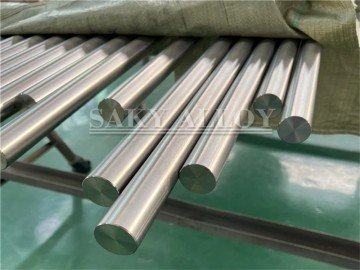
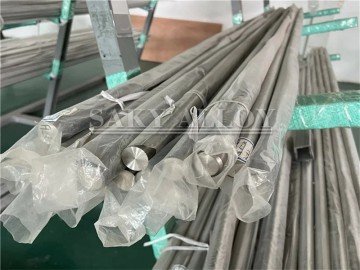
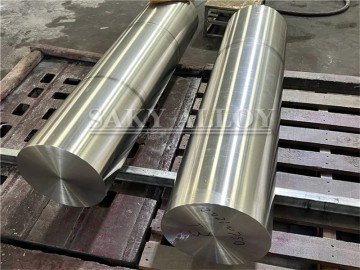
- Titanium bar and rod
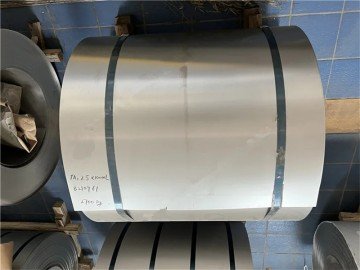
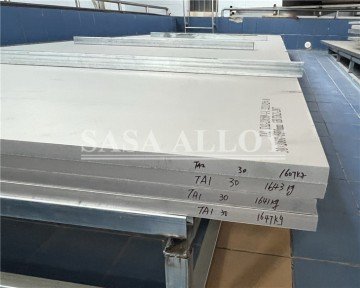
- Titanium plate and sheet
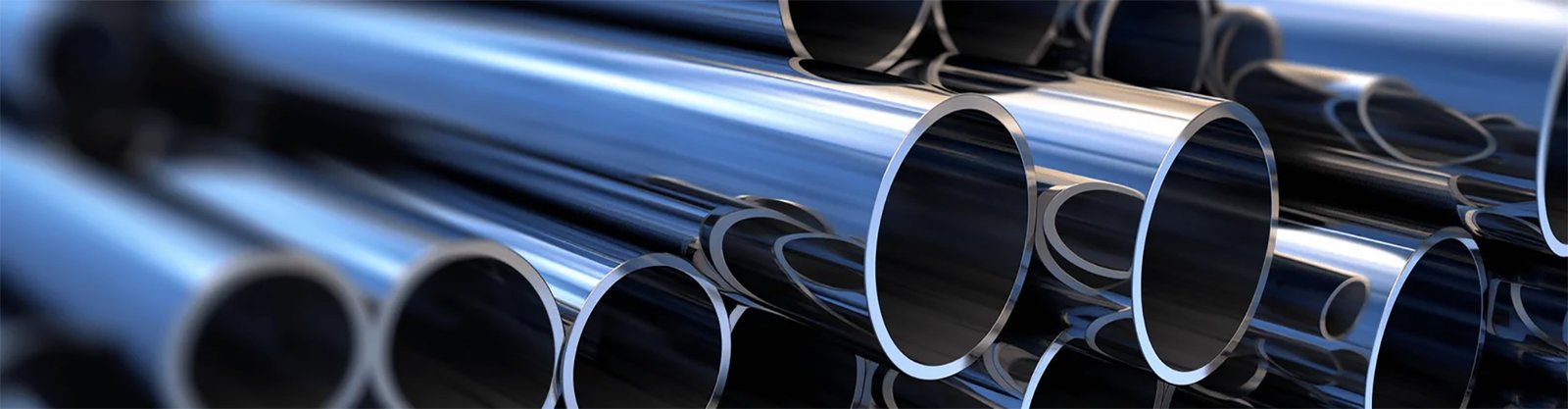
- Titanium pipe and tube
- Titanium wire
- Titanium flange
- Titanium forgings
- Customized titanium components
Material selection can be customized according to titanium grade, dimensions, application requirements and inspection requirements.
Frequently Asked Questions
What is titanium element?
Titanium element is a transition metal with the chemical symbol Ti and atomic number 22. It is known for its lightweight, strength and corrosion resistance.
Is titanium stronger than steel?
Titanium has a higher strength-to-weight ratio than many steels, although specific strength depends on alloy type and application requirements.
Why is titanium corrosion resistant?
Titanium forms a stable oxide film on its surface that protects the underlying metal from many corrosive environments.
What industries use titanium?
Titanium is widely used in aerospace, medical, chemical processing, marine, energy and industrial manufacturing industries.
Request Titanium Material Support
SAKY ALLOY provides titanium and specialty alloy solutions for customers requiring reliable material supply, technical support and customized products.
Send your titanium grade, product form, dimensions, quantity, standards and application requirements for professional assistance.
Submit Your Titanium RFQ