
What Is Titanium Used For?
Unlocking the Power of a High-Performance Metal
Titanium is one of the most remarkable metals found in modern engineering and product design. With its unique blend of strength, light weight, corrosion resistance, and biocompatibility, titanium has become a go-to material across many of the world’s most demanding industries. But what is titanium used for, and why has it earned such a prominent place in sectors ranging from aerospace to medicine?
In this article, we take a deep dive into the many uses of titanium, exploring how this incredible metal is transforming everything from human health to space exploration. Whether you are an engineer, buyer, manufacturer, or curious learner, this guide will show you just how versatile and valuable titanium truly is.
Why Titanium Stands Out
Before we explore where titanium is used, it’s important to understand why it is so popular. Titanium offers several properties that make it stand out among other metals:
-
High strength-to-weight ratio
-
Excellent corrosion resistance
-
Non-toxic and biocompatible
-
Non-magnetic and low thermal expansion
-
Outstanding fatigue and crack resistance
-
Long-term performance in harsh environments
These characteristics allow titanium to perform in applications where steel is too heavy, aluminum is too soft, or stainless steel can’t resist corrosion.
Aerospace: Where Every Gram Counts
Titanium has been a critical material in the aerospace industry since the mid-20th century. Aircraft manufacturers use titanium in engine components, airframes, and landing gear because of its light weight and ability to withstand high temperatures. Titanium alloys can operate efficiently at temperatures where aluminum would melt or deform, making them ideal for jet engines and turbines.
Beyond commercial aviation, titanium is essential in spacecraft and satellites, where every kilogram saved improves fuel efficiency and range. From NASA rockets to space station components, titanium is literally helping humanity reach new heights.
Medical Applications: Safe Inside the Human Body
Another major area where titanium shines is medicine. Titanium is non-toxic, non-allergenic, and integrates well with human tissue, making it perfect for implants and surgical instruments.
Common medical uses of titanium include:
-
Hip and knee replacements
-
Bone screws and spinal rods
-
Dental implants
-
Pacemaker housings
-
Surgical tools and scalpels
Thanks to its resistance to corrosion by body fluids, titanium can remain inside the human body for decades without degradation or rejection. Surgeons rely on titanium for both its performance and long-term safety.
Marine Industry: Resistant to Salt and Time
In marine environments, corrosion is one of the biggest challenges for metals. Saltwater quickly eats through common materials like steel or aluminum. That’s where titanium steps in.
Titanium’s natural oxide layer protects it from both seawater and industrial chemicals, making it the metal of choice for:
-
Ship components
-
Submarine hulls
-
Offshore oil platforms
-
Desalination plants
-
Underwater sensors and tools
Its longevity under water reduces maintenance costs and increases operational safety, especially in critical environments like deep-sea exploration and naval engineering.
Automotive and Motorsports: Performance Meets Efficiency
While titanium is too expensive for most mass-market cars, it is a favorite in high-performance and luxury vehicles, especially in motorsports.
Titanium is used in:
-
Exhaust systems
-
Suspension components
-
Valves and engine parts
-
Frame components in racing bikes and cars
Its ability to reduce weight without compromising strength makes titanium ideal for applications where speed, agility, and precision matter. It also resists corrosion from road salt and extreme heat generated by high-performance engines.
Chemical Processing: Handling the Harshest Environments
Chemical plants and refineries often deal with corrosive acids, gases, and extreme pressures. Many traditional metals fail or require frequent replacement in such environments.
Titanium resists:
-
Chlorine gas
-
Sulfuric acid
-
Hydrochloric acid
-
High-temperature steam
That’s why titanium is used in heat exchangers, pressure vessels, reactor linings, and piping systems in chemical processing industries. Its long life and corrosion resistance save time, reduce risk, and lower overall operational costs.
Consumer Goods: From Everyday to Elite
In addition to industrial applications, titanium is increasingly making its way into consumer products—especially high-end ones. Consumers are drawn to its strength, durability, and sleek appearance.
Popular titanium consumer products include:
-
Luxury watches and eyeglass frames
-
Smartphone cases and laptops
-
Outdoor gear and camping tools
-
Kitchen knives and cutlery
-
Bicycle frames and golf clubs
Titanium is also used in body jewelry and piercings because it is hypoallergenic and lightweight. It’s especially ideal for people with sensitive skin or metal allergies.
Architecture and Design: Beauty That Lasts
Titanium is also used in architectural and artistic applications, especially for buildings that need to withstand weather while maintaining a striking appearance.
Titanium panels and cladding are prized for their:
-
Resistance to corrosion in urban or coastal environments
-
Unique metallic sheen that doesn’t fade
-
Minimal maintenance requirements
-
Long-lasting structural integrity
Iconic buildings like the Guggenheim Museum in Bilbao feature titanium exteriors, showing how functional engineering can blend with aesthetic vision.
Military and Defense: Armor with Agility
Due to its high strength and impact resistance, titanium is frequently used in military equipment. From armor plating to aircraft frames, titanium offers protection without adding excessive weight.
It is also used in:
-
Ballistic vests
-
Naval vessels
-
Fighter jets and drones
-
Missiles and defense systems
Titanium gives defense engineers an edge by combining durability, mobility, and resistance to extreme conditions, making it a strategic asset in modern warfare technologies.
Electronics and Power Generation
In electronics, titanium is used in connectors, enclosures, and battery housings, particularly where safety and durability are priorities. It’s also gaining ground in green energy systems, such as:
-
Solar panel mounting frames
-
Wind turbine components
-
Nuclear reactor parts
Its stability in high-radiation and high-pressure environments makes titanium a reliable material in nuclear and renewable energy fields.
Why Choose Titanium from SAKYALLOY?
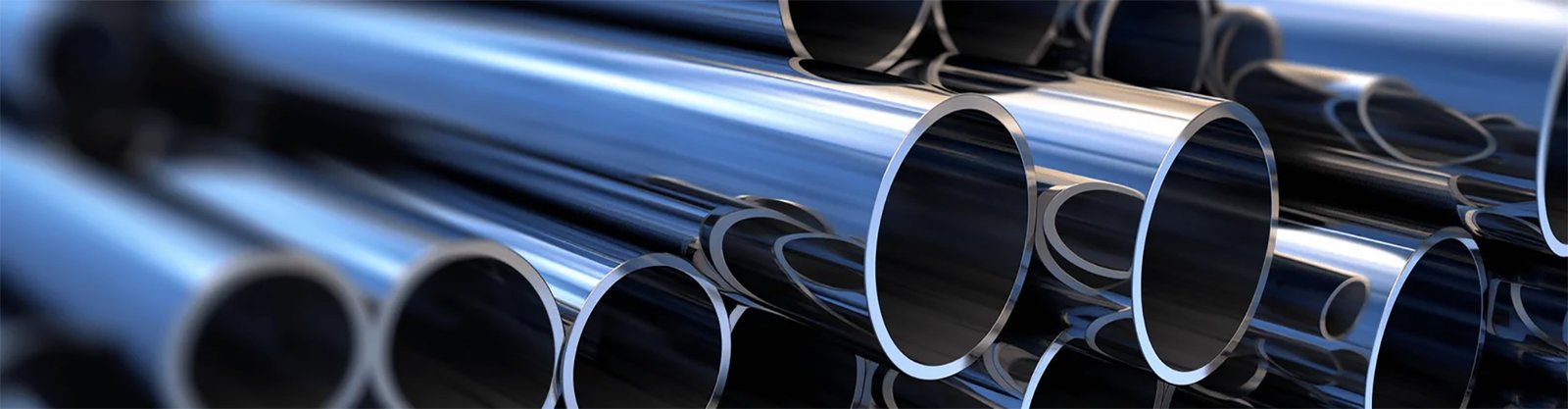
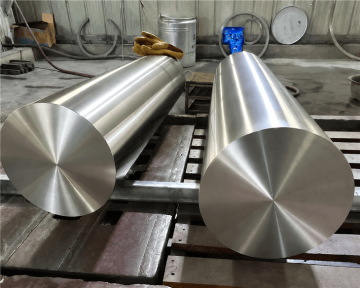
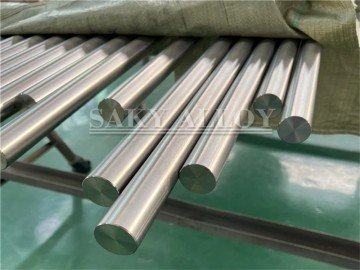
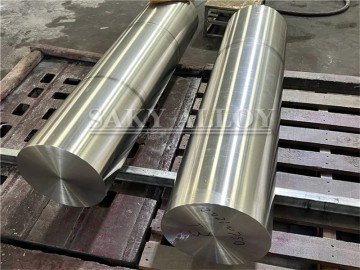
At sakyalloy, we specialize in the production and export of titanium bars, plates, tubes, wires, and custom parts tailored to the needs of global industries. With precision manufacturing and strict quality control, we deliver titanium products that meet international standards such as ASTM, ISO, and DIN.
Whether you need titanium for aerospace, medical, or marine applications, sakyalloy is your trusted partner for premium-grade materials. Our team is ready to support your project with technical consultation, fast delivery, and competitive pricing.
Final Thoughts
So, what is titanium used for? The answer is nearly everything that requires performance under pressure—from the depths of the ocean to outer space, from inside the human body to the racetrack, from heavy industry to high fashion.
Its unmatched combination of strength, corrosion resistance, and biocompatibility makes titanium one of the most important engineering materials in the modern world. As industries continue to evolve and demand more from their materials, titanium is sure to remain at the forefront of innovation.
Looking to incorporate titanium into your next project?
Explore our full titanium product range at www.sakysteel.com or contact us directly at sales@sakysteel.com.