
What’s A Nickel-titanium Memory Alloy
Nickel-titanium memory alloy, also known as Nitinol (a combination of Nickel and Titanium), is one of the most remarkable advanced materials in the modern engineering world. Its unique ability to “remember” and return to a predefined shape after deformation has made it an essential material in industries such as aerospace, medical devices, robotics, and consumer goods.
So, what’s a nickel-titanium memory alloy, and why is it so important? This article provides a detailed explanation of its properties, mechanisms, applications, and future development trends.
What Is Nickel-titanium Memory Alloy?
A nickel-titanium memory alloy is a type of shape memory alloy (SMA) primarily composed of nearly equal parts of nickel and titanium. Its outstanding property is the shape memory effect, which allows the alloy to undergo deformation at one temperature and then recover its original shape when heated above a specific transformation temperature.
It was first discovered in 1960 at the U.S. Naval Ordnance Laboratory, hence the name Nitinol (Nickel Titanium Naval Ordnance Laboratory).
Unique Properties of Nickel-titanium Memory Alloy
1. Shape Memory Effect
The alloy can return to its pre-defined shape after being deformed, simply by heating. This is the most significant characteristic of Nitinol.
2. Superelasticity
Nickel-titanium exhibits high elasticity, allowing strains of up to 8% without permanent deformation. This is far beyond what conventional metals can withstand.
3. Corrosion Resistance
It has excellent corrosion resistance, comparable to stainless steel, making it suitable for medical and marine applications.
4. Biocompatibility
Nickel-titanium is highly biocompatible, allowing safe use in medical implants and devices that interact directly with the human body.
5. Fatigue Resistance
It shows outstanding fatigue resistance, essential for components undergoing repeated stress cycles.
How Does Nickel-titanium Memory Alloy Work?
The remarkable properties of Nitinol come from its solid-state phase transformation:
-
Martensite Phase (low temperature): Flexible and easily deformed.
-
Austenite Phase (high temperature): Strong and stable, returns to the original shape.
When Nitinol is deformed in its martensitic state and then heated to the austenitic state, it recovers its shape—this is the shape memory effect.
Applications of Nickel-titanium Memory Alloy
1. Medical Industry
Nickel-titanium has revolutionized the medical field due to its flexibility, biocompatibility, and corrosion resistance.
-
Orthodontics: Braces and archwires made of Nitinol provide consistent pressure on teeth for alignment.
-
Stents: Self-expanding cardiovascular stents restore blood flow in arteries.
-
Bone implants: Used for spinal rods and fracture fixation devices.
2. Aerospace and Defense
-
Actuators: Shape memory alloys act as lightweight actuators for controlling flaps, valves, and other systems.
-
Couplings: Nitinol couplings automatically tighten when heated, simplifying assembly.
3. Robotics and Automation
-
Artificial muscles in robots mimic biological movement using Nitinol’s superelasticity.
-
Actuators powered by Nitinol wires create compact, efficient movement.
4. Consumer Goods
-
Glasses frames made from Nitinol resist bending and return to their shape.
-
Novelty products, medical tools, and wearable technology benefit from its flexibility.
5. Marine and Industrial Applications
-
High corrosion resistance makes it suitable for subsea devices.
-
Used in industrial sensors, fasteners, and precision instruments.
Processing of Nickel-titanium Alloys
Melting and Alloying
Nickel and titanium are combined using vacuum induction melting or vacuum arc remelting to ensure purity and consistency.
Forming
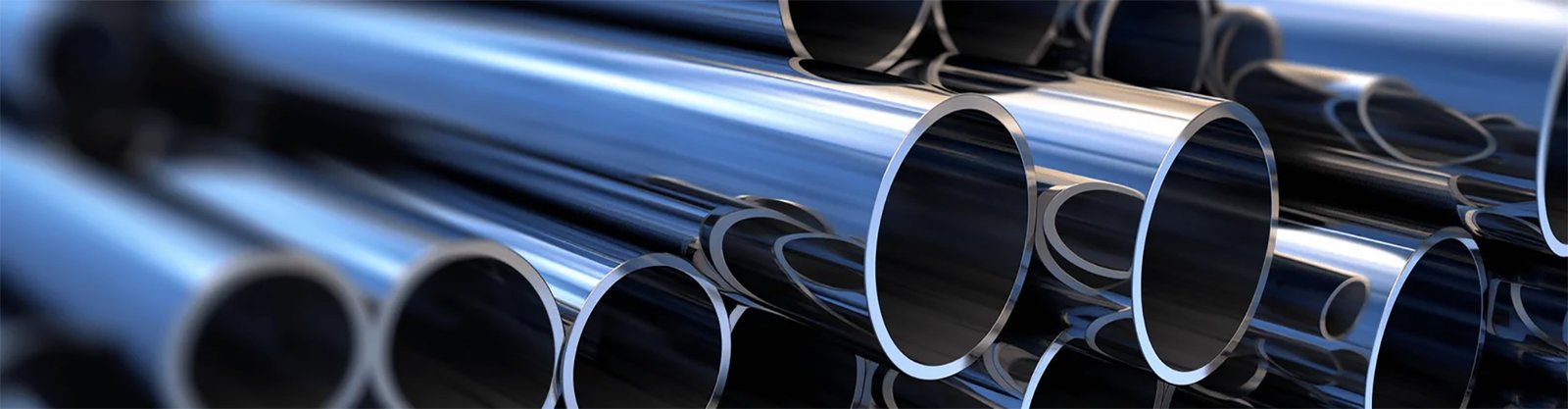
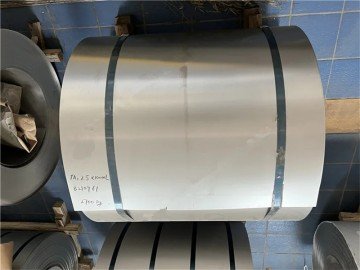
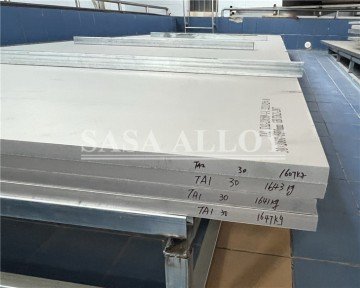
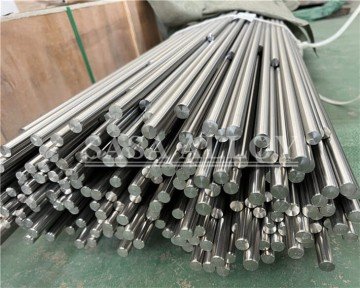
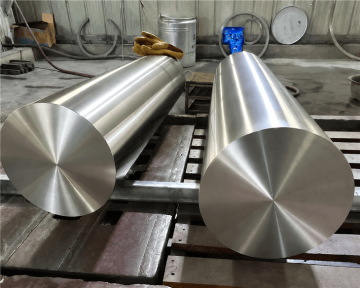
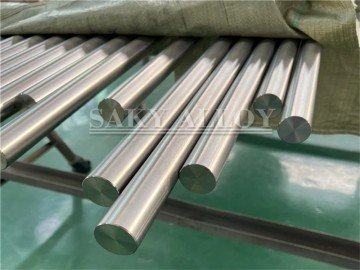
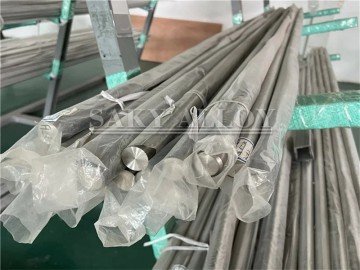
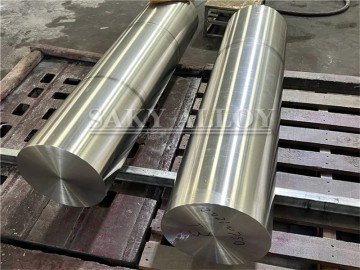
Nitinol can be drawn into wires, rolled into sheets, or formed into rods and tubes depending on applications.
Heat Treatment
Precise heat treatment determines transformation temperatures and mechanical properties.
Machining
Due to its superelasticity, Nitinol is difficult to machine using conventional methods. Techniques like laser cutting and EDM (electrical discharge machining) are often applied.
Advantages of Nickel-titanium Memory Alloy
-
Exceptional elasticity compared to conventional metals
-
Shape recovery without external mechanical input
-
Corrosion resistance in harsh environments
-
Long-term reliability in cyclic applications
-
Biocompatibility for implants and medical devices
Challenges in Using Nickel-titanium Alloys
-
High Cost: Complex production and processing increase expenses.
-
Machining Difficulty: Conventional machining tools wear quickly.
-
Nickel Sensitivity: Some patients may be sensitive to nickel, requiring surface treatments.
-
Temperature Sensitivity: Transformation temperatures must be carefully controlled.
Future Trends in Nickel-titanium Memory Alloys
-
Additive Manufacturing: 3D printing of Nitinol components with customized shapes for aerospace and medical use.
-
Hybrid Materials: Combining Nitinol with polymers or composites for multifunctional devices.
-
Miniaturization: Development of micro-Nitinol actuators for medical robotics and electronics.
-
Green Manufacturing: Recycling and eco-friendly processing methods to reduce costs.
Manufacturers like sakyalloy are investing in innovative processing technologies and research to deliver high-performance nickel-titanium alloys that meet the growing needs of advanced industries.
Comparison with Other Alloys
| Feature | Nickel-titanium (Nitinol) | Stainless Steel | Titanium Alloy |
|---|---|---|---|
| Shape Memory | Yes | No | No |
| Superelasticity | Very High | Low | Medium |
| Corrosion Resistance | High | High | High |
| Biocompatibility | Excellent | Good | Excellent |
| Cost | High | Moderate | High |
Conclusion
So, what’s a nickel-titanium memory alloy? It is a unique material with exceptional shape memory and superelastic properties, making it highly valuable across industries. From life-saving medical implants to advanced aerospace components and robotics, Nitinol has become a cornerstone of innovation.
Its combination of strength, flexibility, corrosion resistance, and biocompatibility ensures long-term performance in demanding applications. With advancements in processing and sustainability, nickel-titanium alloys will continue to expand their role in modern technology.
Reliable suppliers such as sakyalloy provide high-quality nickel-titanium memory alloys that meet the strict requirements of aerospace, medical, and industrial sectors worldwide.