
What’s The Advantage Of Titanium Tubing Compared With Stainless Steel Tubes?
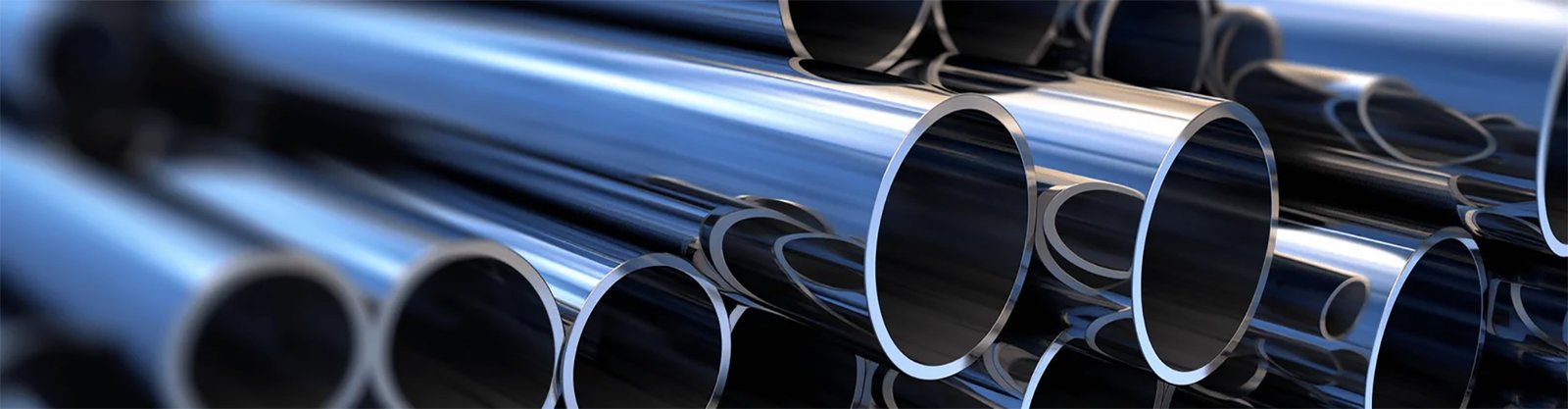
In modern industries, the choice of materials for tubing systems directly impacts performance, efficiency, and long-term cost. Two of the most widely used materials are titanium tubing and stainless steel tubes. Both offer corrosion resistance and durability, but titanium has unique characteristics that often give it an advantage in critical applications.
This article explores the specific advantages of titanium tubing compared with stainless steel tubes, examining their mechanical properties, corrosion resistance, weight, cost-effectiveness, and applications across industries such as aerospace, marine, medical, chemical, and power generation.
Overview of Stainless Steel Tubes
Stainless steel is an alloy primarily made from iron, chromium, and nickel. Tubes made of stainless steel are popular due to their:
-
Good corrosion resistance in many environments.
-
Moderate cost and wide availability.
-
Adequate strength for general engineering applications.
Common Stainless Steel Grades
-
304/304L: Widely used for general-purpose tubing.
-
316/316L: Enhanced resistance to chlorides and marine environments.
-
321/347: Stabilized grades for high-temperature service.
-
Duplex Stainless Steel: Improved strength and chloride resistance.
Overview of Titanium Tubing
Titanium tubing is made from pure titanium or titanium alloys. It is well-known for its:
-
Exceptional strength-to-weight ratio.
-
Excellent resistance to corrosion in seawater and aggressive chemicals.
-
Biocompatibility, making it safe for medical implants.
Common Titanium Grades for Tubing
-
Grade 2: Commercially pure, excellent corrosion resistance, moderate strength.
-
Grade 5 (Ti-6Al-4V): High strength alloy, widely used in aerospace.
-
Grade 7: Similar to Grade 2 but with added palladium for improved corrosion resistance.
-
Grade 9 (Ti-3Al-2.5V): Stronger than CP titanium, excellent for welded tubing.
Key Advantages of Titanium Tubing Compared with Stainless Steel Tubes
1. Strength-to-Weight Ratio
-
Titanium Tubing: Density ~4.5 g/cm³, about 45% lighter than stainless steel. Despite being lighter, titanium offers comparable or even superior tensile strength to many stainless steels.
-
Stainless Steel Tubes: Density ~7.8 g/cm³, heavier and less efficient in weight-critical applications.
Advantage: Titanium tubing provides structural strength while reducing overall weight, critical in aerospace, automotive, and marine industries.
2. Corrosion Resistance
-
Titanium Tubing: Naturally forms a stable oxide film, making it resistant to seawater, chlorides, oxidizing acids, and even some reducing environments. Performs exceptionally well in marine and chemical environments.
-
Stainless Steel Tubes: Good resistance in many conditions, but susceptible to chloride-induced pitting and crevice corrosion, particularly in seawater or acidic environments.
Advantage: Titanium tubing outperforms stainless steel in harsh chemical and marine service.
3. Durability and Service Life
-
Titanium Tubing: Maintains performance over decades, even in corrosive conditions, minimizing replacement costs.
-
Stainless Steel Tubes: Service life is shorter in aggressive environments, leading to more frequent maintenance or replacement.
Advantage: Longer lifespan of titanium tubing reduces total lifecycle costs.
4. Temperature Resistance
-
Titanium Tubing: Retains strength and stability across a wide temperature range, from cryogenic levels up to about 600°C.
-
Stainless Steel Tubes: Performs well up to about 870°C, but strength-to-weight efficiency decreases at high temperatures.
Advantage: Titanium is preferred for systems requiring light weight with thermal stability, such as aerospace and power generation.
5. Biocompatibility
-
Titanium Tubing: Non-toxic and biocompatible, making it suitable for medical implants, surgical devices, and pharmaceutical systems.
-
Stainless Steel Tubes: Biocompatible in many cases, but may release trace elements such as nickel that are less desirable for implants.
Advantage: Titanium is the safer, longer-lasting choice for medical and biomedical applications.
6. Maintenance and Cost Efficiency
-
Titanium Tubing: Higher initial cost but significantly lower maintenance and replacement expenses due to extended service life.
-
Stainless Steel Tubes: Lower purchase cost but higher long-term expenses in aggressive environments due to corrosion-related failures.
Advantage: Titanium tubing is more cost-effective in the long run for industries requiring reliability and durability.
Application Comparison
Aerospace
-
Titanium Tubing: Hydraulic systems, fuel lines, and structural parts where weight savings are critical.
-
Stainless Steel Tubes: Non-critical systems where weight is less important.
Marine
-
Titanium Tubing: Seawater piping, desalination plants, offshore platforms.
-
Stainless Steel Tubes: Limited due to pitting in seawater.
Chemical Processing
-
Titanium Tubing: Heat exchangers and piping exposed to hydrochloric and sulfuric acid.
-
Stainless Steel Tubes: Suitable for mild acids but not for strong chloride-rich environments.
Medical
-
Titanium Tubing: Orthopedic implants, surgical tools, prosthetics.
-
Stainless Steel Tubes: Surgical instruments and hospital equipment.
Case Study Example
A desalination plant initially used stainless steel tubing for seawater piping. Within five years, pitting corrosion caused leaks and required costly replacements. When the system was upgraded to titanium tubing, service life increased to over 20 years with negligible maintenance, offsetting the higher initial investment and providing long-term cost savings.
Challenges of Titanium Tubing
-
Cost: Higher material and fabrication cost than stainless steel.
-
Fabrication Complexity: Requires specialized welding and machining techniques.
-
Availability: Some grades may have longer lead times.
Despite these challenges, titanium’s performance advantages outweigh limitations in critical applications.
Future Trends in Titanium Tubing
-
Electric Vehicles: Lightweight titanium components for efficiency.
-
Renewable Energy: Use in offshore wind and hydrogen systems.
-
Advanced Medical Devices: Growth in custom implants and 3D printing of titanium parts.
-
Marine Expansion: Wider adoption in desalination and offshore platforms.
Why Choose sakyalloy for Titanium Tubing
Choosing the right supplier ensures consistent quality and performance. sakyalloy offers titanium tubing in a wide range of grades including Grade 2, Grade 5, Grade 7, and Grade 9, all produced to ASTM, ASME, and ISO standards. With strict testing, international certifications, and global logistics, sakyalloy delivers reliable titanium tubing solutions for aerospace, marine, medical, and industrial applications.
By partnering with sakyalloy, customers gain access to expertise, consistent quality, and long-term value.
Conclusion
Titanium tubing offers several clear advantages over stainless steel tubes: higher strength-to-weight ratio, superior corrosion resistance, extended service life, excellent biocompatibility, and long-term cost efficiency. While stainless steel remains popular for general applications due to its affordability and availability, titanium is the material of choice for industries where performance and reliability cannot be compromised.
By understanding these differences, engineers and procurement specialists can make informed decisions that enhance safety, efficiency, and durability in critical projects.