
What Type of Metal Is Titanium?
Titanium is one of the most remarkable materials used in modern industries. Known for its unique blend of strength, lightness, and corrosion resistance, it plays a vital role in aerospace, medical, automotive, and marine applications. But many people still ask the simple yet fundamental question: what type of metal is titanium?
To answer that, we need to explore its chemical classification, physical properties, and industrial uses.
Titanium as a Transition Metal
Titanium is classified as a transition metal in the periodic table, with the symbol Ti and atomic number 22. It is part of Group 4, alongside zirconium and hafnium. Transition metals are known for their ability to form multiple oxidation states, high melting points, and the ability to bond with a wide range of elements.
This classification explains much of titanium’s versatility—it combines the durability of heavy metals with the low density and reactivity that make it suitable for critical applications.
Characteristics of Titanium
To understand what type of metal titanium is, we need to look at its fundamental properties:
-
Density: 4.5 g/cm³ (about 56% that of steel).
-
Melting Point: 1668°C.
-
Hardness: ~6 on the Mohs scale.
-
Crystal Structure: Hexagonal close-packed (HCP) at room temperature, transforms to body-centered cubic (BCC) at higher temperatures.
-
Corrosion Resistance: Exceptional, particularly in seawater, chlorides, and oxidizing environments.
-
Strength-to-Weight Ratio: Among the highest of any engineering metal.
These properties make titanium unique compared to common industrial metals like steel, aluminum, or copper.
What Type of Metal Is Titanium Compared to Others?
When comparing titanium with other metals, its identity as a lightweight yet strong transition metal stands out:
-
Versus Steel: Titanium is lighter and more corrosion-resistant, but steel is generally harder and less expensive.
-
Versus Aluminum: Titanium is heavier but far stronger, and it withstands higher temperatures.
-
Versus Nickel Alloys: Titanium is lighter but nickel alloys often perform better in extreme heat.
Pure Titanium vs. Titanium Alloys
Another way to answer what type of metal is titanium is to consider whether we are talking about pure titanium or its alloys.
-
Commercially Pure (CP) Titanium: Contains 99% or more titanium, with small amounts of oxygen, nitrogen, and iron. It is softer but extremely corrosion-resistant.
-
Titanium Alloys: Most industrial applications use alloys, where titanium is combined with aluminum, vanadium, molybdenum, or other elements.
-
Alpha Alloys: Stabilized by aluminum and oxygen, good for high-temperature performance.
-
Beta Alloys: Stabilized by vanadium or molybdenum, offering excellent toughness and formability.
-
Alpha-Beta Alloys: Such as Ti-6Al-4V (Grade 5), the most widely used alloy in aerospace and medical applications.
-
Industrial Applications of Titanium
Because of its unique characteristics, titanium is used in industries where performance and reliability are critical.
-
Aerospace: Aircraft fuselages, jet engine components, spacecraft structures.
-
Medical: Implants, prosthetics, surgical tools due to biocompatibility.
-
Marine: Offshore structures, ship parts, and desalination plants.
-
Automotive: High-performance vehicles, racing components, and exhaust systems.
-
Chemical Processing: Heat exchangers, reactors, and piping exposed to corrosive environments.
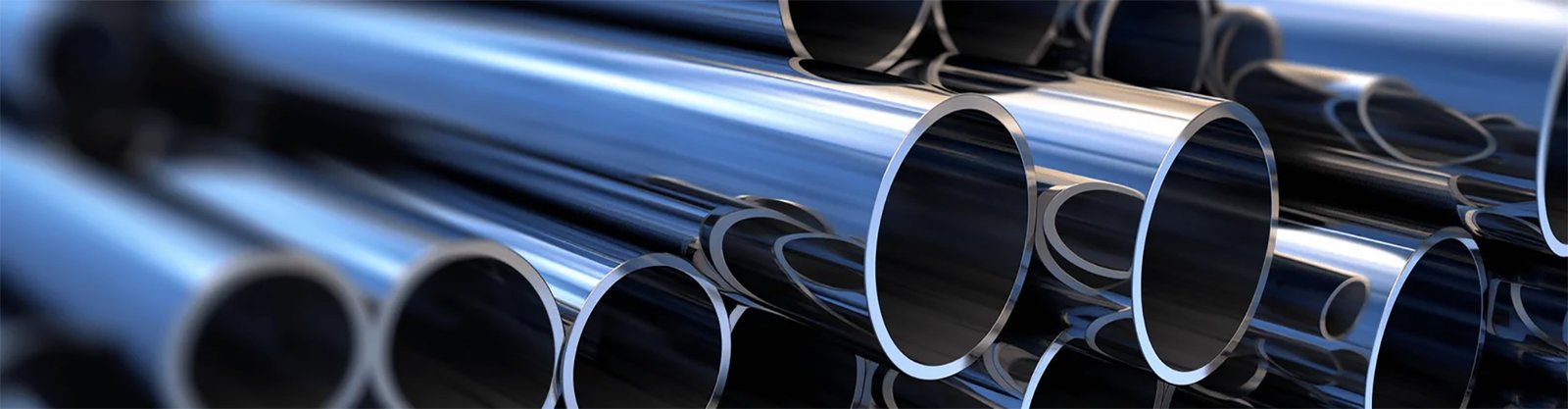
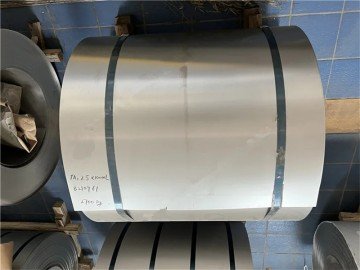
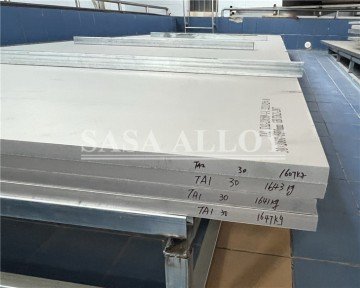
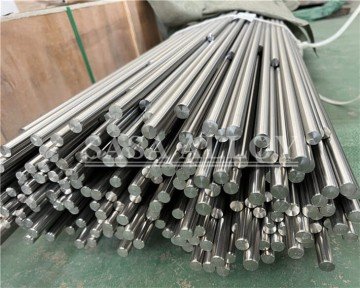
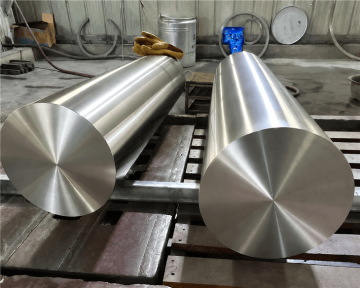
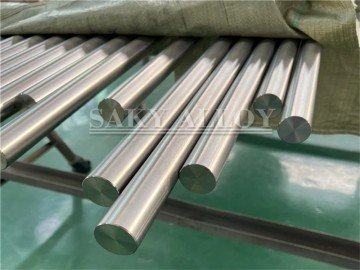
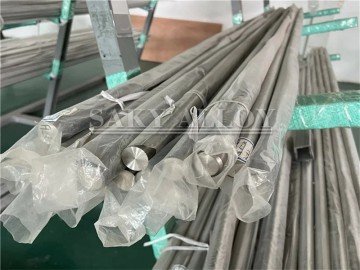
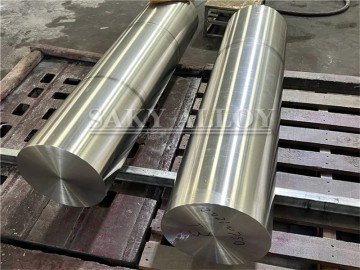
Suppliers like sakyalloy specialize in delivering titanium and its alloys in forms such as bars, plates, tubes, and wires, ensuring industries have access to reliable materials that meet international standards.
Titanium’s Role in Sustainability
Titanium is not just strong and versatile—it also plays an increasing role in sustainability. Its long service life, recyclability, and ability to withstand harsh environments reduce the need for frequent replacements. Although the extraction process is energy-intensive, the overall lifecycle benefits are significant.
Why Titanium Is Considered a “Strategic Metal”
Because of its unique combination of lightweight strength, corrosion resistance, and temperature stability, titanium is considered a strategic metal. Nations and industries view it as critical for defense, aerospace, and advanced technologies. Its role in medical implants also makes it invaluable to healthcare.
Conclusion
So, what type of metal is titanium? It is a transition metal—lightweight, strong, corrosion-resistant, and versatile. Titanium’s ability to be alloyed with other elements further enhances its applications, making it indispensable in industries from aerospace to medicine.
When compared to steel, aluminum, or nickel alloys, titanium stands out for its high strength-to-weight ratio and superior resistance to corrosion. Its classification as a transition metal only tells part of the story—the real value of titanium lies in its performance and reliability.
With trusted suppliers like sakyalloy, industries worldwide can source high-quality titanium products that meet demanding engineering standards, ensuring success in both critical and everyday applications.