
Why Chemical Plants Prefer Titanium Pipe
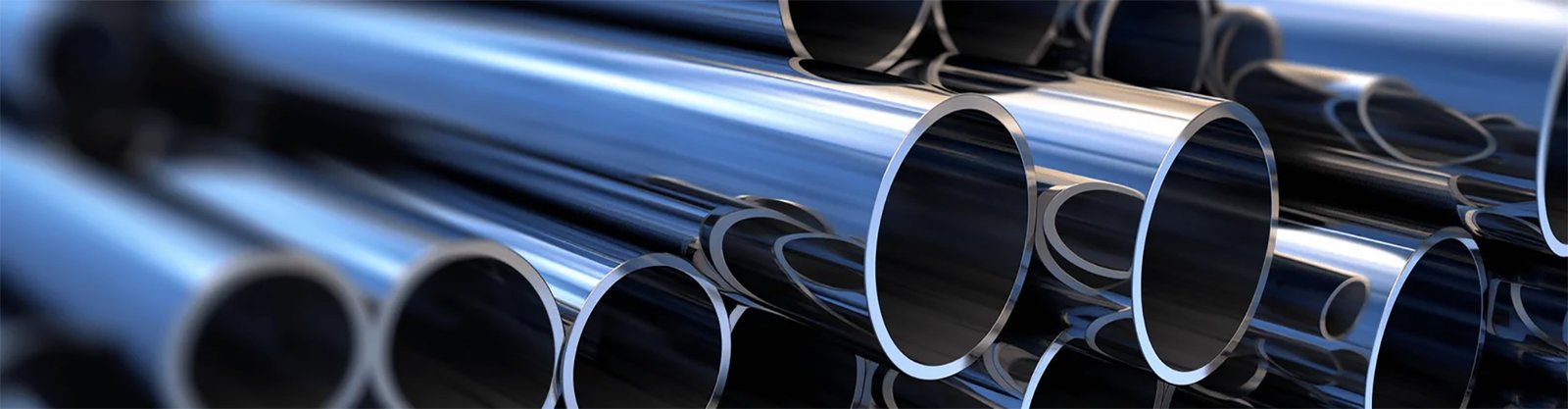
In the chemical processing industry, material choice is critical. From acids and solvents to extreme temperatures and pressures, the internal environment of chemical plants can be punishing to most materials. That’s why titanium pipe has become the material of choice for many chemical engineers and plant designers.
In this article, we explore the key reasons why chemical plants prefer titanium pipe over traditional materials like stainless steel, carbon steel, and plastic, and how it delivers unmatched value in aggressive process environments.
Unparalleled Corrosion Resistance
The biggest advantage of titanium pipe is its superior resistance to corrosion, especially in highly aggressive chemical media. Titanium naturally forms a stable, protective oxide layer on its surface that shields it from corrosive attack—even in environments with:
-
Hydrochloric acid
-
Sulfuric acid
-
Nitric acid
-
Sodium hypochlorite
-
Seawater and brine
-
Chlorine-based chemicals
This corrosion resistance means longer service life, fewer shutdowns, and significantly reduced maintenance costs. In contrast, stainless steel and even high-performance alloys may fail or require expensive coatings to handle the same conditions.
At sakyalloy, we manufacture titanium pipes specifically engineered for harsh chemical exposure, ensuring reliable performance over decades of operation.
Excellent Strength-to-Weight Ratio
Despite being a lightweight metal, titanium boasts an exceptional strength-to-weight ratio. It is about 45% lighter than steel while offering comparable or superior mechanical strength.
This makes titanium pipe ideal for large-scale installations where reducing overall structural load is important—especially in tower structures, reactors, and pipe racks.
Chemical plants benefit from this strength by being able to run thinner-walled pipes that maintain structural integrity, helping reduce both material cost and weight on supports.
Resistance to Erosion and Scaling
Many process lines in chemical plants experience high flow rates, suspended solids, or abrasive particles. Titanium resists erosion far better than softer metals like copper or aluminum.
Additionally, titanium has a low scaling tendency. This means mineral or chemical build-up inside pipes is minimized, reducing flow blockages and cleaning frequency—an important consideration in acid and alkali processing systems.
High Temperature Stability
Titanium pipe retains its mechanical properties at elevated temperatures. While it’s not intended for use above 600°C, it performs reliably in hot fluid transport systems, steam lines, and heat exchangers common in chemical facilities.
In environments where thermal cycling is constant, titanium offers dimensional stability and fatigue resistance, unlike plastic piping which may warp or crack under repeated temperature swings.
Long-Term Cost Efficiency
Though the initial cost of titanium pipe is higher than standard steel or plastic, its lifetime value is significantly better. Factors that contribute to long-term savings include:
-
Minimal maintenance and inspection frequency
-
No need for internal coatings or linings
-
Fewer replacements due to corrosion failure
-
Reduced downtime for pipe failures or leaks
Chemical plants operating 24/7 rely on this predictability and reliability, where a single pipe failure can lead to production halts and costly cleanups.
That’s why sakyalloy continues to supply titanium piping systems to major chemical projects worldwide, helping clients lower total cost of ownership over the plant’s lifespan.
Easy Compatibility with Other Materials
Titanium is non-reactive and biocompatible, making it safe to use with most chemical solutions. It is also compatible with a wide range of fittings and gaskets, and can be joined using TIG welding under inert gas shielding for strong, leak-proof joints.
This makes integration into existing chemical plant systems straightforward—whether during upgrades or new construction.
Environmental and Safety Benefits
Using titanium pipe in chemical plants also supports sustainability and safety goals:
-
Reduced chemical leaks help protect plant personnel and the environment
-
Longer service life means fewer materials used and less waste
-
Non-toxic and recyclable at end of life
For companies focused on green chemistry and reducing environmental impact, titanium is a responsible material choice.
Common Applications in Chemical Plants
Titanium pipes are used extensively in:
-
Acid transportation lines
-
Chlor-alkali plants
-
Bleaching operations in pulp & paper
-
Seawater desalination chemical sections
-
Heat exchangers in sulfuric and nitric acid systems
-
Reactors and condensers in pharma and agrochemical sectors
Its versatility across different chemical processing areas explains its growing popularity.
Conclusion
Chemical plants choose titanium pipe because it offers a powerful combination of corrosion resistance, strength, durability, and efficiency that other materials cannot match. While the upfront investment may be higher, the return in terms of reliability, safety, and long-term performance makes titanium an outstanding solution.
If your project involves harsh chemicals, high operating pressures, or temperature extremes, titanium pipe should be at the top of your consideration list.
With a global supply chain and technical expertise, sakyalloy is your reliable partner for titanium piping systems tailored to the needs of chemical industries. Reach out today to explore how our titanium solutions can strengthen your process.