
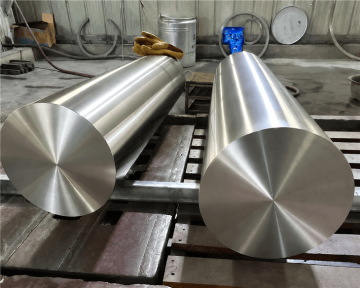
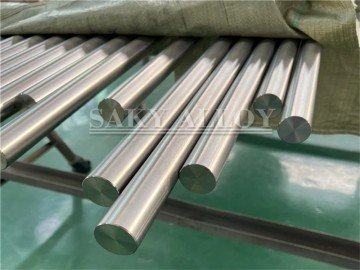
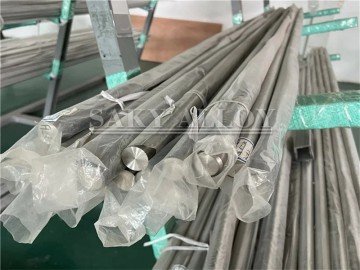
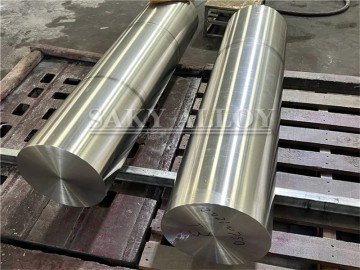
Why Engineers Choose Titanium Bars in High-Risk Environments
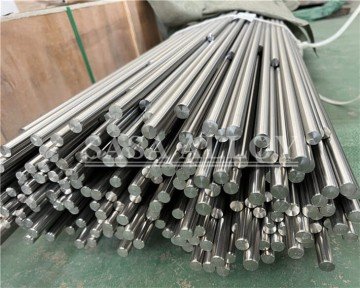
Titanium bars are among the most trusted materials for use in high-risk environments, where equipment failure could lead to safety hazards, operational downtime, or significant financial loss. Known for their exceptional strength, corrosion resistance, and biocompatibility, titanium bars have become a preferred choice in industries such as aerospace, marine, oil and gas, chemical processing, and medical engineering.
This article explains why engineers turn to titanium bars when the stakes are high, the conditions are extreme, and reliability is non-negotiable.
Understanding High-Risk Environments
High-risk environments refer to conditions where materials are exposed to:
-
High Temperatures – Found in aerospace engines, power generation turbines, and heat exchangers.
-
Corrosive Chemicals – Common in chemical processing plants, desalination facilities, and offshore oil rigs.
-
High Pressure – Present in deep-sea equipment and high-pressure vessels.
-
Fatigue and Impact Loads – Seen in automotive racing, aerospace, and defense applications.
-
Biological Environments – Found in medical implants and surgical tools.
In such scenarios, the wrong choice of material can result in catastrophic failures. Titanium bars offer the balance of performance, safety, and longevity that engineers require.
Key Properties That Make Titanium Bars Ideal
1. Exceptional Strength-to-Weight Ratio
Titanium is as strong as many steels but nearly 45% lighter. This makes it invaluable in aerospace, automotive racing, and defense applications where weight reduction improves performance without sacrificing strength.
2. Superior Corrosion Resistance
Titanium naturally forms a thin oxide layer that protects it from corrosion. This passive film is self-healing, even if scratched, making titanium bars resistant to seawater, chlorides, and aggressive chemicals.
3. Outstanding Heat Resistance
Titanium alloys can maintain their strength and stability at temperatures up to 600°C (1,100°F). This property is essential for engine components, turbines, and heat exchangers in extreme conditions.
4. Fatigue and Crack Resistance
In applications subjected to repetitive loading, titanium bars outperform many metals in resisting fatigue and crack propagation, which is critical in high-stress engineering designs.
5. Biocompatibility
For medical and biological environments, titanium’s compatibility with the human body makes it the top choice for surgical implants, prosthetics, and medical tools.
Common Titanium Bar Grades for High-Risk Environments
-
Grade 2 – Commercially pure titanium with excellent corrosion resistance and moderate strength, used in marine and chemical industries.
-
Grade 5 (Ti-6Al-4V) – The most widely used titanium alloy, offering high strength, corrosion resistance, and heat tolerance for aerospace and defense.
-
Grade 23 (Ti-6Al-4V ELI) – Extra-low interstitial version of Grade 5, preferred for medical implants due to improved fracture toughness.
-
Grade 7 – Enhanced corrosion resistance due to palladium addition, ideal for chemical processing equipment.
Industry Applications of Titanium Bars in High-Risk Scenarios
1. Aerospace Engineering
-
Use Case: Aircraft landing gear, engine components, and structural frames.
-
Why Titanium: Weight savings improve fuel efficiency while maintaining structural integrity under high stress and temperature.
2. Marine and Offshore
-
Use Case: Deep-sea submersibles, offshore oil rig structures, desalination plant components.
-
Why Titanium: Unmatched corrosion resistance in saltwater environments, reducing maintenance costs and extending service life.
3. Oil and Gas Industry
-
Use Case: Downhole equipment, high-pressure valves, and offshore pipelines.
-
Why Titanium: Resists sour gas corrosion and high-pressure conditions, ensuring safe and long-lasting performance.
4. Chemical Processing
-
Use Case: Heat exchangers, reactor vessels, and piping systems.
-
Why Titanium: Withstands acids, chlorides, and other aggressive chemicals without degradation.
5. Medical and Healthcare
-
Use Case: Orthopedic implants, dental implants, surgical tools.
-
Why Titanium: Biocompatible and non-toxic, integrates seamlessly with human bone tissue.
Advantages Over Alternative Materials
| Property | Titanium | Stainless Steel | Aluminum |
|---|---|---|---|
| Strength-to-Weight Ratio | Excellent | Good | Moderate |
| Corrosion Resistance | Superior | Good | Moderate |
| High-Temperature Performance | Excellent | Moderate | Poor |
| Biocompatibility | Excellent | Good | Poor |
| Fatigue Resistance | Excellent | Good | Moderate |
Challenges and Considerations in Using Titanium Bars
While titanium bars have clear advantages, engineers also consider factors such as:
-
Cost – Titanium is more expensive than steel or aluminum, but its durability often offsets the initial investment.
-
Machining Difficulty – Titanium requires specialized tooling and slower cutting speeds to avoid excessive tool wear.
-
Availability – High-grade titanium may have longer lead times, requiring strategic sourcing from reliable suppliers like sakyalloy.
Why Engineers Rely on Titanium Bars for Safety and Performance
In high-risk environments, failure is not an option. Titanium bars deliver the mechanical strength, corrosion resistance, and thermal stability required to operate in extreme conditions without compromising safety. Whether it’s a deep-sea submersible, a fighter jet, or a life-saving medical implant, titanium’s reliability makes it the go-to material.
Conclusion
Titanium bars have proven their value in the most demanding industrial applications. Their ability to maintain performance in extreme temperatures, resist corrosion, and withstand high loads makes them indispensable in sectors where failure can be costly or dangerous.
With expertise in supplying premium-grade titanium products, sakyalloy ensures engineers and manufacturers receive materials that meet strict international standards. In high-risk environments, the right material choice is critical — and titanium bars continue to be a top choice for those who prioritize safety, performance, and longevity.