
Why Titanium Bar Is Perfect for High-Pressure Applications
In the demanding environments of aerospace, chemical processing, marine engineering, and energy systems, materials used must perform flawlessly under high-pressure conditions. Among various metals, titanium bar stands out as a superior choice due to its exceptional mechanical strength, corrosion resistance, and thermal stability.
But what exactly makes titanium bar perfect for high-pressure applications?
This article explores the unique properties of titanium bar, its performance under pressure, common industries that rely on it, and why sakyalloy titanium bars are trusted in extreme operating conditions.
The Demands of High-Pressure Applications
High-pressure environments subject materials to intense mechanical stress, fluctuating temperatures, and chemical exposure. Equipment used in such conditions must:
-
Resist mechanical deformation or collapse
-
Withstand corrosive or reactive substances
-
Maintain integrity over long-term operation
-
Avoid material fatigue or cracking
Selecting the wrong material could lead to system failure, downtime, or safety hazards. That’s why titanium, especially in bar form, is often the first choice for critical pressure-resistant components.
Key Properties of Titanium Bar for High-Pressure Use
1. High Strength-to-Weight Ratio
Titanium bars exhibit exceptional tensile and yield strength while remaining lightweight. This is critical for pressure vessels, valves, shafts, and fasteners that must endure internal or external pressure without adding unnecessary weight.
-
Grade 5 (Ti-6Al-4V): Tensile strength ~950 MPa, yield strength ~880 MPa
-
Stronger than many stainless steels but 45% lighter
2. Corrosion Resistance
Titanium forms a stable oxide layer on its surface that protects it from corrosion in harsh media such as:
-
Seawater
-
Chlorides
-
Acids
-
High-temperature steam
This makes it ideal for pressure systems exposed to chemical or marine environments.
3. Thermal Stability
Titanium maintains its strength at elevated temperatures, making it suitable for high-pressure systems where heat is also a factor, such as heat exchangers and steam piping.
4. Creep Resistance
Under continuous high stress at elevated temperatures, materials can deform slowly over time. Titanium has excellent creep resistance, extending the life of high-pressure assemblies.
5. Non-Magnetic and Low Modulus
Titanium’s non-magnetic nature and modulus of elasticity allow it to absorb shock and vibration in high-pressure systems, reducing failure due to dynamic stresses.
Common Titanium Grades Used in High-Pressure Applications
| Grade | Key Features | Typical Use Cases |
|---|---|---|
| Grade 2 | Commercially pure, good corrosion resistance | Heat exchangers, pressure vessels |
| Grade 5 | High strength alloy (Ti-6Al-4V) | Aerospace components, pressure valves |
| Grade 7 | Excellent corrosion resistance in reducing acids | Chemical plants, reactors |
| Grade 9 | Higher strength than Grade 2, good weldability | Hydraulic tubes, marine systems |
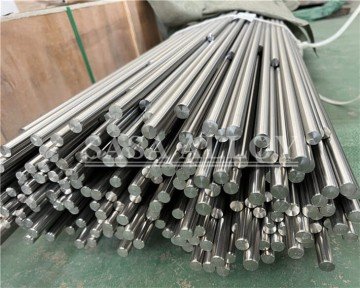
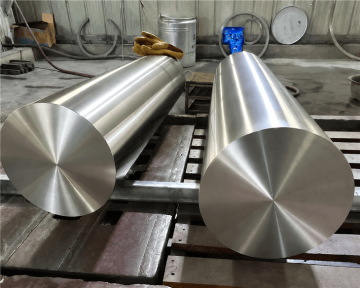
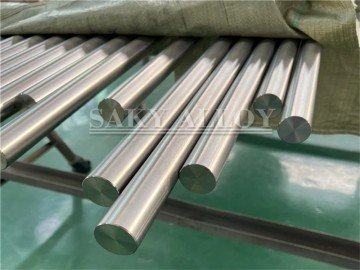
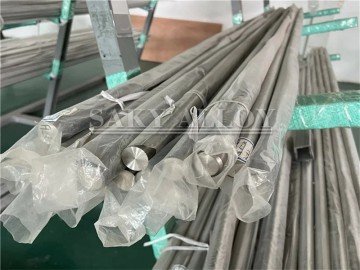
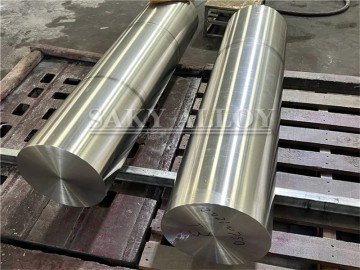
At sakyalloy, we supply titanium bars in all major grades with custom diameters, lengths, and certifications.
Applications of Titanium Bars in High-Pressure Systems
1. Aerospace and Aviation
Titanium bars are machined into landing gear parts, engine shafts, and structural supports in high-pressure areas where weight and strength are critical.
2. Subsea and Marine Engineering
Used in subsea pipelines, valves, and drilling equipment, titanium resists both pressure and saltwater corrosion better than stainless steel.
3. Chemical and Petrochemical Industry
Titanium bars are fabricated into reaction vessels, high-pressure piping, and fittings for acid plants and chloride processing due to their resistance to aggressive chemicals.
4. Power Generation
High-pressure steam systems, nuclear reactors, and condenser tubes benefit from titanium’s thermal and pressure resilience.
5. Medical Devices
Though not a pressure system in the traditional sense, titanium bars are used in surgical tools and implants that must endure mechanical stress in the human body without degradation.
Comparison: Titanium Bar vs Other Metals in High-Pressure Use
| Metal | Density (g/cm³) | Yield Strength (MPa) | Corrosion Resistance | High-Pressure Suitability |
|---|---|---|---|---|
| Titanium (Gr5) | 4.43 | ~880 | Excellent | ★★★★★ |
| Stainless 316 | 7.98 | ~290 | Good | ★★☆☆☆ |
| Inconel 625 | 8.44 | ~690 | Excellent | ★★★★☆ |
| Carbon Steel | 7.85 | ~250 | Poor | ★☆☆☆☆ |
Conclusion: Titanium offers the best balance of strength, corrosion resistance, and weight for high-pressure applications.
Machining and Fabrication Advantages
Titanium bars from sakyalloy are supplied with tight tolerances and excellent surface finish, making them easy to machine into:
-
Threads
-
Flanges
-
Housings
-
Connectors
We also offer hot forging, heat treatment, ultrasonic testing (UT), and surface passivation services upon request.
Safety Considerations in High-Pressure Environments
Using titanium bars enhances safety in systems that operate under extreme pressures because:
-
They are resistant to stress corrosion cracking
-
They maintain strength even under cyclic pressure loading
-
Their corrosion resistance reduces risk of leaks or ruptures
-
Their lightweight nature helps reduce system strain
Why Choose sakyalloy Titanium Bars
At sakyalloy, we specialize in high-performance titanium materials for pressure-critical industries. Our advantages:
-
Supply of Grades 1, 2, 5, 7, and 9 titanium bars
-
Compliance with ASTM B348, AMS 4928, and other global standards
-
3.1 / 3.2 certification with chemical and mechanical test reports
-
Quick delivery and custom processing services
-
Worldwide shipping and multilingual support
Whether your needs are for offshore drilling, aerospace structures, or industrial piping, sakyalloy delivers the titanium solutions that last under pressure.
Company Logo: sakyalloy
Conclusion
Titanium bar is not just suitable—it’s perfect for high-pressure applications. Its unmatched combination of strength, weight, corrosion resistance, and stability makes it a material of choice in industries where performance and reliability are non-negotiable.