
Why Titanium Bar Is Preferred for Heat Exchangers
Heat exchangers are critical components used to transfer heat between two or more fluids in a wide range of industries, including chemical processing, power generation, marine, oil and gas, and desalination. The materials used in heat exchanger construction must withstand high temperatures, corrosive environments, and demanding mechanical stresses.
Among the many metals available, titanium bar has emerged as a preferred material for heat exchangers due to its unique combination of strength, corrosion resistance, and thermal performance. While it may come at a higher initial cost compared to conventional metals like stainless steel or copper alloys, the long-term benefits of titanium far outweigh the investment.
In this article, we explore why titanium bar is the material of choice for heat exchanger applications, highlighting its properties, advantages, and common uses.
What Is a Titanium Bar
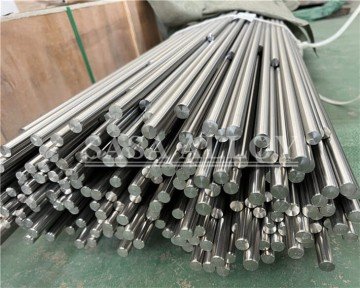
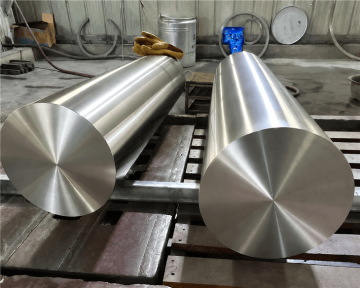
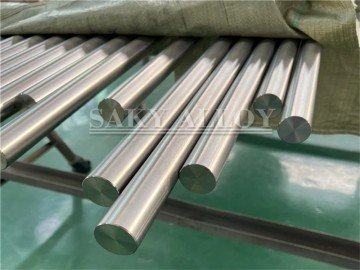
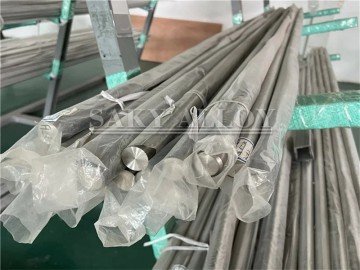
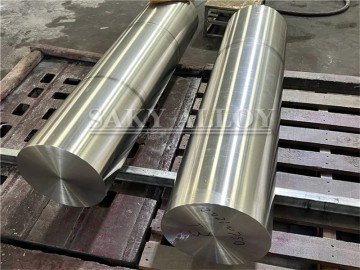
A titanium bar is a solid, straight piece of titanium metal that can be round, square, or rectangular in cross-section. It is typically manufactured through forging, rolling, or extrusion and is used as a raw material for machining into components such as tubesheets, headers, supports, and fasteners in heat exchanger assemblies.
Titanium bars are available in various grades, with Grade 2 (commercially pure titanium) and Grade 5 (Ti-6Al-4V) being among the most commonly used for industrial applications.
Key Properties of Titanium
Before diving into the role of titanium in heat exchangers, it’s important to understand the unique properties that make this metal so desirable:
-
Excellent corrosion resistance in seawater, chlorides, and acidic environments
-
High strength-to-weight ratio, outperforming many steel alloys
-
Low thermal expansion, ensuring dimensional stability under heat
-
Non-toxic and biocompatible
-
Long service life with minimal maintenance
-
Exceptional resistance to erosion and fouling
These properties are why titanium bars are widely adopted in harsh and demanding thermal transfer systems.
Why Titanium Bar Is Ideal for Heat Exchangers
1. Outstanding Corrosion Resistance
One of the most critical considerations in heat exchanger design is corrosion. Heat exchangers often operate in environments that involve:
-
Seawater
-
Brine solutions
-
Acids (such as sulfuric, hydrochloric, or nitric acid)
-
Chlorine-containing fluids
Titanium’s passive oxide layer protects it from corrosive attack, even in highly aggressive solutions. Unlike carbon steel or copper-nickel alloys, titanium does not require coating or cathodic protection, which simplifies design and reduces maintenance costs.
Key Benefit:
Extended service life and reduced downtime due to corrosion failures.
2. Resistance to Crevice and Pitting Corrosion
In marine and offshore applications, traditional metals often suffer from localized corrosion, especially in crevices or stagnant zones. Titanium resists:
-
Pitting
-
Crevice corrosion
-
Stress corrosion cracking
Even under high chloride concentrations and elevated temperatures, titanium bars remain structurally intact. This makes them particularly suitable for tube sheets and supports, where fluid concentration can be uneven.
3. Excellent Mechanical Properties
Titanium offers a unique blend of strength and ductility, making it ideal for pressure-bearing components in heat exchangers. It has a tensile strength comparable to many steel alloys, but at only 45% of the weight.
This allows for lighter heat exchanger construction, leading to:
-
Easier transportation and installation
-
Reduced structural support requirements
-
Increased design flexibility for compact units
4. Low Thermal Expansion
Titanium exhibits low thermal expansion compared to other metals like stainless steel. This ensures that thermal cycling (heating and cooling) does not result in significant expansion or contraction, which can otherwise lead to mechanical stress, warping, or joint failures.
In multi-metal assemblies, titanium’s stability enhances the reliability of seals and welded joints over time.
5. Biofouling and Scaling Resistance
In seawater and process fluids, biological fouling and mineral scaling are common issues that reduce heat exchanger efficiency. Titanium naturally resists the buildup of:
-
Marine organisms (barnacles, algae)
-
Calcium and magnesium salts
-
Organic films
This property reduces the frequency of cleaning, improves thermal performance, and ensures longer uninterrupted operation.
6. Thermal Conductivity and Heat Transfer Efficiency
While titanium does not have the highest thermal conductivity compared to copper alloys, its resistance to fouling and corrosion ensures consistent heat transfer performance over time.
In many cases, alternative metals lose thermal efficiency quickly due to scale buildup or corrosion, while titanium remains efficient and stable, making it the superior long-term performer.
7. Weldability and Fabrication
Titanium bars can be easily welded, machined, and formed using standard techniques, provided that clean environments are maintained to avoid contamination. This enables manufacturers to:
-
Weld titanium components into large assemblies
-
Machine precision parts from forged titanium bar stock
-
Fabricate custom parts for unique heat exchanger designs
Titanium’s adaptability reduces lead times and simplifies complex configurations.
Common Heat Exchanger Applications Using Titanium Bars
Titanium bars are machined or fabricated into various components used in:
1. Shell and Tube Heat Exchangers
-
Tube sheets
-
End covers
-
Tie rods
-
Support plates
2. Plate Heat Exchangers
-
Frame members
-
Fastening bars
-
End plates
3. Air-Cooled Heat Exchangers
-
Mounting brackets
-
Structural beams
-
Header bars
4. Evaporators and Condensers
-
Structural supports
-
Connector rods
-
Intermediate plates
Industries that benefit the most from titanium heat exchangers include:
-
Desalination plants
-
Power generation (nuclear and thermal)
-
Petrochemical refineries
-
Pulp and paper mills
-
Marine and offshore platforms
Cost vs Performance
Titanium bars are more expensive per kilogram than stainless steel or carbon steel, but when you consider:
-
Service life (often 20+ years)
-
Minimal maintenance
-
High efficiency retention
-
Avoidance of failure-related downtime
-
Lower installation weight and support costs
…the lifecycle cost of titanium is often lower than that of alternative materials.
Choosing titanium is an investment in performance and reliability.
Conclusion
When it comes to heat exchangers operating in aggressive, high-pressure, or salt-rich environments, titanium bar stands out as the superior material choice. Its exceptional corrosion resistance, mechanical strength, and operational reliability make it a long-term solution for industries that demand the best.
While the upfront cost may be higher, the reduced maintenance, extended lifespan, and enhanced performance easily justify the investment.
At sakyalloy, we supply high-quality titanium bars in a wide range of grades and sizes for heat exchanger manufacturing. Whether you’re designing a new unit or upgrading an existing system, our team can provide material consultation, precision machining, and global delivery to support your project.