


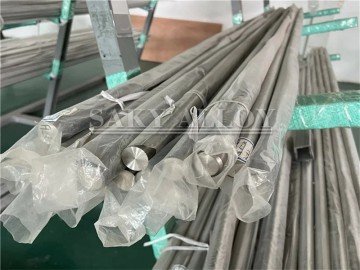
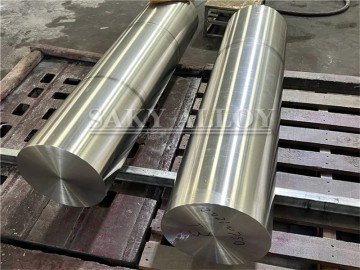
Why Titanium Bars Are Crucial in Medical Implants
Titanium is widely regarded as one of the best materials for medical implants due to its exceptional combination of strength, biocompatibility, and resistance to corrosion. As the demand for medical implants continues to grow, titanium bars are increasingly used in the manufacturing of components such as orthopedic implants, dental implants, and cardiac devices. These implants are essential for improving the quality of life for patients with various conditions and injuries.
In this article, we will explore why titanium bars are crucial in medical implants, the benefits they offer, and how SAKYALLOY ensures the highest quality titanium bars for medical applications.
1. The Importance of Material Selection in Medical Implants
When designing and manufacturing medical implants, the material chosen plays a pivotal role in the success and longevity of the implant. The material must meet several criteria, including:
-
Biocompatibility: The material must be non-toxic and capable of coexisting with the human body without causing an immune response or adverse reactions.
-
Strength and Durability: Implants need to withstand the mechanical loads they will face over the long term without degrading or losing their shape.
-
Corrosion Resistance: Implants are exposed to bodily fluids, and the material must resist corrosion to avoid degradation and failure.
-
Lightweight: Implants must be lightweight to reduce strain on the body and improve comfort for the patient.
Titanium, especially titanium bars, has emerged as one of the best materials for medical implants due to its unique properties that meet all of these criteria.
2. Key Properties of Titanium Bars for Medical Implants
Titanium bars possess several key properties that make them an ideal choice for medical implants. Let’s examine these properties in more detail:
2.1 Biocompatibility
One of the most important properties of titanium is its exceptional biocompatibility. This means that titanium is highly compatible with the human body and does not cause harmful reactions when implanted. The metal is not rejected by the immune system, making it ideal for use in long-term implants such as dental replacements, joint prosthetics, and heart valves.
Titanium bars form a natural oxide layer on their surface when exposed to oxygen, which prevents the material from reacting with the surrounding biological environment. This oxide layer helps create a smooth and stable surface that integrates well with bone and tissue, promoting healing and reducing the risk of rejection.
2.2 Strength and Durability
Titanium bars are renowned for their high strength and durability, making them ideal for medical implants that must endure significant mechanical stress. Titanium is stronger than most other metals, yet it is much lighter than materials like steel. This strength-to-weight ratio makes titanium an excellent choice for weight-bearing implants, such as hip replacements, knee prosthetics, and spinal implants.
Additionally, titanium’s high tensile strength ensures that the implant will maintain its structural integrity over time, even under stress or load. The ability to withstand wear and tear, combined with its resistance to deformation, makes titanium bars an essential material in the manufacturing of long-lasting implants.
2.3 Corrosion Resistance
Medical implants are exposed to a variety of bodily fluids, which can be highly corrosive. Titanium’s resistance to corrosion is one of the primary reasons it is favored for medical implants. Unlike other metals that can degrade when exposed to bodily fluids, titanium bars are highly resistant to corrosion, including in environments with high salinity or acidity.
Titanium’s corrosion resistance helps to extend the lifespan of medical implants, preventing issues such as material degradation, weakening, or failure of the implant over time. This ensures the long-term success and reliability of the implant, which is critical for patient safety.
2.4 Lightweight
Titanium bars are significantly lighter than other metals such as steel, making them a preferred choice for implants that must be as lightweight as possible. For example, in joint replacements, a lighter implant reduces the strain on the body and enhances the comfort of the patient. A lightweight implant also reduces the risk of complications and promotes faster recovery, as the body is not burdened by unnecessary weight.
2.5 Osteointegration
Osteointegration refers to the process by which the implant becomes directly integrated with bone tissue, creating a stable and permanent bond. Titanium is unique in its ability to promote osteointegration, making it the material of choice for dental implants and orthopedic implants. The rough surface of titanium bars encourages the growth of bone tissue into the implant, ensuring that the implant stays securely in place over time.
Titanium’s ability to promote osteointegration reduces the risk of implant failure and improves the overall success rate of medical implants, which is why it is used extensively in the dental and orthopedic fields.
3. Applications of Titanium Bars in Medical Implants
Titanium bars are used in a wide variety of medical implant applications due to their biocompatibility, strength, and durability. Some of the most common uses of titanium bars in medical implants include:
3.1 Orthopedic Implants
Orthopedic implants, such as hip replacements, knee replacements, and spinal fusion devices, require materials that can withstand mechanical stress and integrate with the surrounding bone tissue. Titanium bars are commonly used to manufacture these implants due to their strength, lightweight nature, and ability to promote osteointegration. Titanium’s resistance to corrosion ensures that the implants will remain durable and reliable over time, even in harsh environments within the body.
3.2 Dental Implants
Titanium is the material of choice for dental implants, as it is highly biocompatible and can easily integrate with bone tissue in the jaw. Titanium bars are used to create the posts and screws that serve as the foundation for dental crowns and bridges. The corrosion resistance of titanium ensures that dental implants remain intact for many years without deterioration.
3.3 Cardiovascular Implants
Titanium bars are also used in cardiovascular implants, such as heart valves, pacemakers, and stents. Titanium’s biocompatibility and resistance to corrosion are critical in these applications, where the implants must interact with bodily fluids without degrading over time. Additionally, titanium’s strength ensures that these implants remain functional under the pressures of the cardiovascular system.
3.4 Prosthetic Limbs
Titanium bars are used in the production of prosthetic limbs, where strength, durability, and light weight are crucial. The material’s combination of mechanical properties makes it ideal for creating prosthetic components, such as joint replacements, arm and leg prostheses, and other specialized devices. Titanium prosthetics are highly resistant to wear and corrosion, ensuring that they remain functional for extended periods.
3.5 Surgical Tools and Implants
Titanium bars are also used to manufacture various surgical tools and implants, such as bone screws, plates, and pins. These implants must be highly resistant to corrosion and fatigue while offering superior strength to hold fractured bones or tissue in place. Titanium’s unique properties ensure that these implants provide long-term support during the healing process.
4. Why Choose SAKYALLOY for Titanium Bars in Medical Implants?
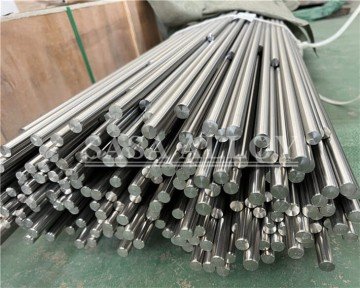
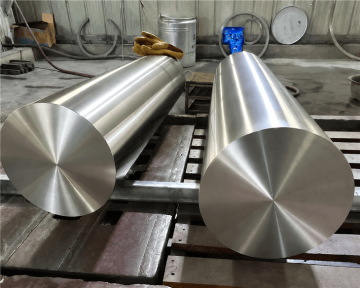
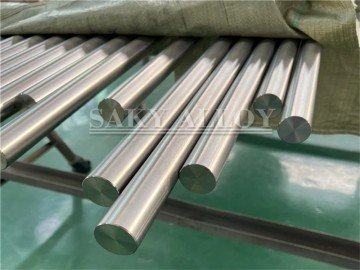
At SAKYALLOY, we specialize in providing high-quality titanium bars that meet the rigorous requirements of medical implant applications. Our titanium bars are produced to the highest standards, ensuring they are durable, biocompatible, and reliable for critical medical applications.
We understand the importance of using premium materials in the manufacturing of medical implants, which is why we provide titanium bars that undergo strict quality control processes. Whether you need titanium bars for orthopedic implants, dental devices, or cardiovascular applications, SAKYALLOY offers the reliability and performance you need.
5. Conclusion
Titanium bars play an essential role in the success of medical implants due to their exceptional properties, including biocompatibility, strength, corrosion resistance, and lightweight nature. From orthopedic and dental implants to cardiovascular devices and surgical tools, titanium offers the durability and performance required in the medical field. The ability of titanium to integrate with bone tissue and resist corrosion ensures the long-term success of implants and improves patient outcomes.
By choosing SAKYALLOY for your titanium bar needs, you can be confident that you are getting high-quality materials that meet the highest standards for medical applications. Our titanium bars are designed to provide superior performance, reliability, and safety for a wide range of medical implants.