
Would titanium metal attract lightning ?
Titanium is a high-performance, corrosion-resistant metal widely used in aerospace, marine, chemical, and industrial applications. Its unique combination of strength, low density, and corrosion resistance raises a common question among engineers and designers: does titanium attract lightning? Understanding this is critical when designing structures, aircraft components, or offshore platforms that might be exposed to electrical discharges.
Titanium Electrical Conductivity and Lightning Interaction
Titanium exhibits relatively low electrical conductivity compared to metals such as copper or aluminum. Pure titanium (Grade 1–4) has an electrical conductivity of approximately 1.8–2.4% IACS (International Annealed Copper Standard), while Ti-6Al-4V (Grade 5) alloys have slightly lower conductivity due to alloying elements. This means titanium is not naturally a preferred path for lightning discharge.
Lightning tends to follow the path of least resistance. Materials with high conductivity, such as copper, aluminum, or even steel, are more likely to conduct a lightning strike. Titanium structures, despite their metallic nature, do not inherently increase the risk of attracting lightning, but if connected to conductive components or exposed in certain geometries, they may participate in the current path.
Implications for Aerospace and Marine Applications
- Titanium alloys like Grade 5 Ti-6Al-4V are extensively used in aerospace fuselage, engine components, and marine hulls due to their corrosion resistance and strength-to-weight ratio.
- Lightning strike design for aircraft or ships considers the conductivity of the entire structure. Titanium may be paired with conductive elements or lightning diverters to ensure safe dissipation.
- Proper bonding and grounding are essential when titanium is used in structures exposed to potential lightning strikes.
Material Properties and Standards for Safe Applications
SAKY ALLOY provides titanium materials with complete material traceability and certifications. Our Grade 2 Titanium and Grade 5 Ti-6Al-4V products comply with ASTM B348, ASTM B265, ASTM B338, EN, DIN, JIS and GB standards. EN10204 3.1 certification, chemical composition analysis, mechanical testing, PMI testing, UT inspection, and surface inspection ensure safe use in environments where electrical safety is critical.
Common Titanium Grades and Conductivity
- Grade 2 Titanium: Commercially pure, excellent corrosion resistance, moderate conductivity.
- Grade 5 Ti-6Al-4V: High-strength alpha-beta alloy, slightly lower conductivity, widely used in aerospace and industrial equipment.
- Grade 23 (Ti-6Al-4V ELI): Extra low interstitial, biocompatible, suitable for medical devices and implants exposed to electrostatic discharge considerations.
Practical Application Scenarios
Titanium components must often be integrated with lightning protection design, particularly in:
- Aircraft fuselage and wings
- Marine vessels, including hulls and masts
- Offshore oil and gas platforms
- Industrial piping and heat exchanger supports
- High-end machinery enclosures and electroplating systems
In each case, titanium’s relatively low conductivity reduces the likelihood of attracting a direct strike, but it must be bonded and grounded appropriately to dissipate potential electrical charges.
Material Advantages of Titanium in Lightning-Prone Environments
- Corrosion resistance in marine and offshore applications
- High strength-to-weight ratio reduces overall structural mass
- Traceable materials with EN10204 3.1 and PMI verification
- Compatible with lightning protection systems when grounded
Conclusion
While titanium metal itself does not inherently attract lightning, understanding its conductivity and integrating proper grounding and lightning protection is essential for safe industrial and aerospace applications. SAKY ALLOY supplies Grade 2, Grade 5 Ti-6Al-4V, and other titanium materials with full traceability, mechanical and chemical certification, ensuring reliable performance in lightning-sensitive installations.
CTA – Contact SAKY ALLOY for Titanium Materials
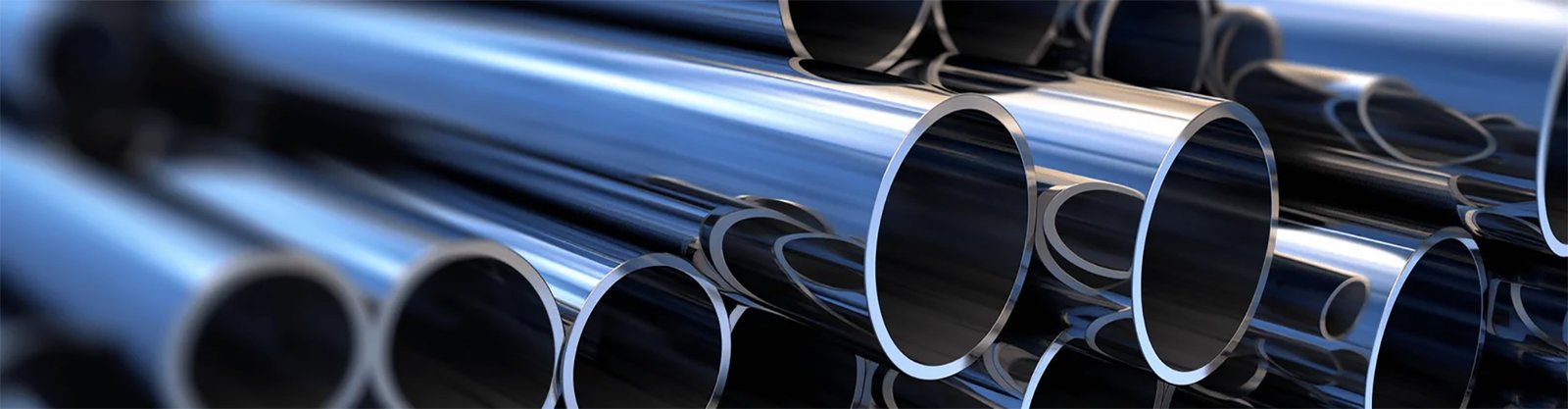
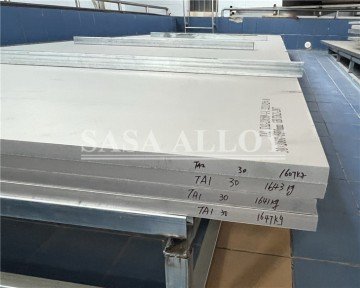
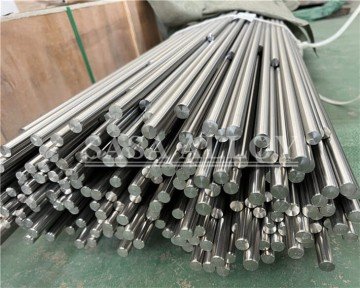
For reliable Titanium Bar, Titanium Plate, Titanium Tube, and Titanium Forgings suitable for aerospace, marine, chemical, or industrial applications, contact SAKY ALLOY today. Our certified titanium materials come with EN10204 3.1 certificates, PMI testing, UT inspection, and full material traceability to ensure safety and compliance.
FAQ
Does titanium attract lightning?
Titanium does not attract lightning more than other metals. Its relatively low electrical conductivity makes it less likely to initiate a strike, though proper grounding is always required in exposed structures.
Which titanium grade is safest for outdoor aerospace or marine structures?
Grade 5 Ti-6Al-4V and Grade 2 titanium are commonly used; selection depends on strength, corrosion resistance, and integration with lightning protection systems.
Can titanium materials be certified for industrial use?
Yes. SAKY ALLOY provides EN10204 3.1 certification, PMI testing, UT inspection, and mechanical and chemical test reports for all titanium products.