
Grade 12 Titanium: Cost-Effective Alloy for Heat Exchanger Tubes
Introduction
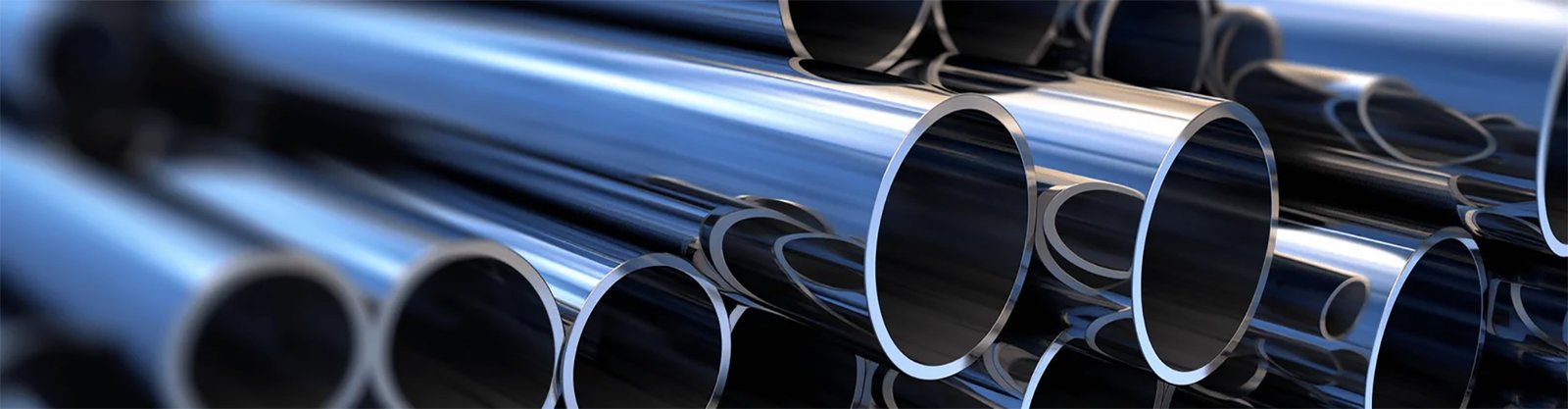
Grade 12 titanium is a titanium-molybdenum-nickel alloy used when buyers need better strength and corrosion resistance than commercially pure titanium while still keeping good weldability and practical fabrication performance. For heat exchanger tubes, Grade 12 titanium is often considered a cost-effective option in seawater, brine, chemical processing, condenser, evaporator and industrial cooling systems where corrosion resistance, tube life and maintenance reduction are important.
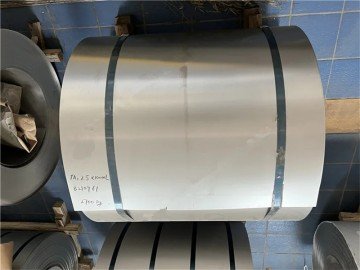
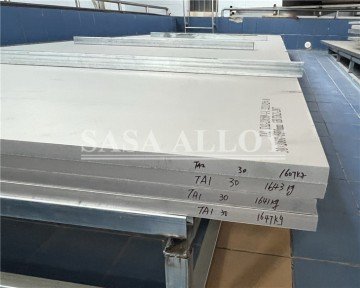
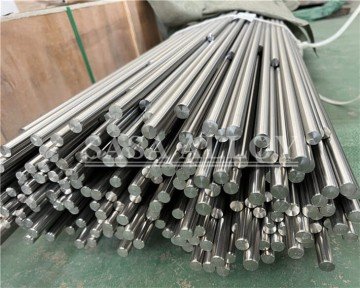
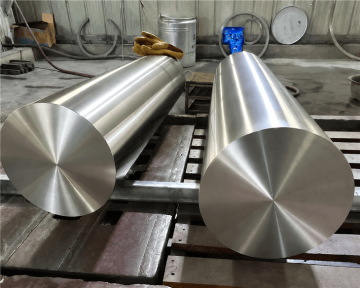
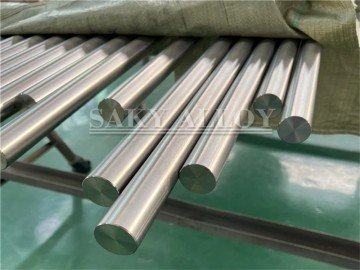
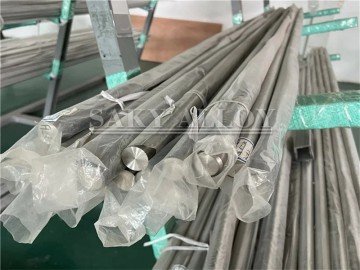
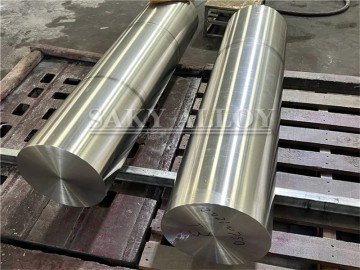
Grade 12 titanium, also known as Ti-0.3Mo-0.8Ni or UNS R53400, is commonly supplied as tube, pipe, sheet, plate, bar, wire, fittings and fabricated components. In heat exchanger tube applications, buyers should specify the tube standard, outside diameter, wall thickness, length, surface condition, heat treatment, hydrostatic or pneumatic test, eddy current test, dimensional inspection, EN 10204 3.1 certificate and service medium before ordering.
Best-use recommendation:
• Choose Grade 12 titanium tube for heat exchangers exposed to seawater, brine, chlorides, cooling water and selected chemical media.
• Choose Grade 2 titanium when general corrosion resistance is enough and lower cost is the main priority.
• Choose Grade 7 titanium when reducing acid or severe crevice-corrosion risk requires a higher corrosion margin.
• Choose Grade 12 when a balance of corrosion resistance, strength, weldability and cost is required.
• For heat exchanger service, confirm medium, temperature, chloride level, flow velocity, fouling risk, tube sheet material and required test package before procurement.
Application Scenarios for Grade 12 Titanium
Grade 12 titanium is used where standard commercially pure titanium grades may be limited by strength, crevice corrosion risk or long-term service margin. Its combination of titanium, molybdenum and nickel makes it useful in heat-transfer equipment and corrosion-resistant systems.
| Application Scenario | Common Product Form | Key Selection Requirement |
|---|---|---|
| Shell-and-Tube Heat Exchangers | Seamless or welded titanium tube | OD, wall thickness, tube length, leak test, eddy current test and surface cleanliness. |
| Seawater Cooling Systems | Tube, pipe, tube sheet and fittings | Chloride resistance, flow velocity, crevice design and galvanic compatibility. |
| Brine and Salt Production | Tube, pipe, sheet and fabricated parts | Brine concentration, temperature, deposits and cleaning procedure. |
| Chemical Processing Equipment | Tube, plate, pipe, fittings and custom components | Chemical medium, concentration, temperature and corrosion-test requirement. |
| Condensers and Evaporators | Thin-wall titanium tube and tube bundle material | Thermal performance, tube cleanliness, pressure test and dimensional tolerance. |
| Marine and Offshore Systems | Pipe, tube, fittings and fasteners | Seawater exposure, crevice risk, vibration, inspection and certificate scope. |
Material Benefits of Grade 12 Titanium
Grade 12 titanium is valued because it offers a practical balance between commercially pure titanium and more expensive specialty titanium grades. It provides improved strength and corrosion behavior in many service environments while remaining weldable and fabricable for industrial equipment.
• Improved corrosion resistance: useful in seawater, brine, chloride-containing cooling water and selected chemical media.
• Higher strength than many commercially pure grades: useful for tubes, pipe and components requiring stronger design margins.
• Good heat exchanger performance: titanium’s corrosion resistance can reduce tube failure and maintenance downtime.
• Good weldability: suitable for welded tubes, pipe systems and fabricated equipment when proper titanium welding practices are used.
• Cost-effective grade option: often considered when Grade 2 is not enough but higher-cost titanium-palladium grades may not be necessary.
• Broad product availability: can be supplied as tube, pipe, plate, sheet, bar, wire, fittings and custom parts.
Grade 12 Titanium Product Data
| Specification Item | Typical Requirement |
|---|---|
| Material Name | Grade 12 Titanium / Ti-0.3Mo-0.8Ni |
| UNS Number | UNS R53400 |
| Material Type | Titanium-molybdenum-nickel corrosion-resistant alloy |
| Common Product Forms | Tube, pipe, sheet, plate, bar, rod, wire, fittings, flanges and custom parts |
| Tube Standard Direction | ASTM B338 / ASME SB338 for condenser and heat exchanger tubes where applicable |
| Pipe Standard Direction | ASTM B861 / ASME SB861 for seamless pipe and ASTM B862 / ASME SB862 for welded pipe where applicable |
| Surface Condition | Pickled, polished, annealed, bright, machined or customer-specified finish |
| Typical Certificate | EN 10204 3.1 MTC, chemical composition, mechanical properties, heat number and inspection reports |
Why Grade 12 Is Used for Heat Exchanger Tubes
Heat exchanger tubes often fail because of corrosion, fouling, crevice attack, vibration, erosion-corrosion or incompatible process fluids. Grade 12 titanium can help improve service reliability in cooling water and chemical environments where tube life is more important than the lowest initial material price.
| Heat Exchanger Requirement | Why Grade 12 Helps | Specification Check |
|---|---|---|
| Seawater Resistance | Titanium alloys are widely used where chloride resistance is required | Chloride level, temperature, flow velocity and crevice design. |
| Long Tube Life | Improved corrosion margin may reduce tube replacement frequency | Tube wall, corrosion allowance, medium and inspection plan. |
| Thin-Wall Tube Design | Good corrosion resistance can support efficient heat-transfer design | OD, wall thickness, tolerance and pressure test. |
| Welded Tube or Fabricated Equipment | Grade 12 can be welded with correct titanium welding procedures | Shielding gas, cleanliness, weld color, PT and leak test. |
| Maintenance Reduction | Better material selection can reduce shutdowns and leakage risk | Operating history, cleaning cycle, fouling and tube bundle design. |
Recommended Grades and Alternatives
Grade 12 is not always the only choice. Buyers should compare it with Grade 2, Grade 7, Grade 16, Grade 9 and nickel alloys according to service environment, strength, corrosion risk, budget and availability.
| Material | When It May Be Selected | Main Limitation |
|---|---|---|
| Grade 2 Titanium | General corrosion-resistant titanium tube and pipe service | Lower strength and lower corrosion margin in some severe conditions. |
| Grade 7 Titanium | Reducing acid and higher corrosion-risk chemical systems | Higher cost because of palladium addition. |
| Grade 12 Titanium | Cost-effective heat exchanger tubes, seawater cooling and industrial corrosion service | Not as corrosion-resistant as titanium-palladium grades in some reducing acids. |
| Grade 16 Titanium | Palladium-containing titanium option with improved corrosion margin | Availability and cost should be checked for each product form. |
| Grade 9 Titanium | Lightweight tubing where higher strength is needed | Different corrosion and design profile from Grade 12. |
| Nickel Alloys | Severe acids, high-temperature chemical systems and special process media | Higher density and often higher cost than titanium options. |
Standards, Certificates and Inspection
Grade 12 titanium should be ordered according to the correct product standard. Heat exchanger tubes are commonly specified by tube standards, while pipe, plate, bar and fittings have separate product standards. Buyers should confirm the standard before quotation because testing, tolerance and certificate requirements may vary.
| Product Form | Common Standard Direction | Typical Inspection Focus |
|---|---|---|
| Heat Exchanger Tube | ASTM B338 / ASME SB338 | OD, wall, length, surface, eddy current test, hydrostatic or pneumatic test. |
| Plate and Sheet | ASTM B265 / ASME SB265 | Thickness, flatness, surface, chemical and mechanical properties. |
| Bar and Billet | ASTM B348 / ASME SB348 | Diameter, length, tolerance, surface, straightness and tensile properties. |
| Seamless Pipe | ASTM B861 / ASME SB861 | NPS, schedule, wall, pressure test, surface and traceability. |
| Welded Pipe | ASTM B862 / ASME SB862 | Weld quality, dimension, NDT, hydrostatic test and certificate. |
| Fittings | ASTM B363 / ASME SB363 | Fitting type, dimension, pressure class, surface and PMI where required. |
Certificate Checklist for Grade 12 Titanium Tubes
| Document or Test | What It Confirms |
|---|---|
| EN 10204 3.1 MTC | Grade, heat number, chemistry, mechanical properties, standard and traceability. |
| Chemical Composition Report | Confirms Grade 12 chemistry including molybdenum and nickel content. |
| Mechanical Test Report | Tensile strength, yield strength, elongation and other required properties. |
| Dimensional Report | OD, wall thickness, length, straightness, tolerance and end condition. |
| Eddy Current Test | Detects tube discontinuities where required by tube specification or project rules. |
| Hydrostatic / Pneumatic Test | Confirms tube pressure integrity or leak-tightness where specified. |
| PMI Report | Verifies alloy identity and helps prevent material mix-up. |
How to Specify Grade 12 Titanium
A complete RFQ should define the product form, service environment and inspection package. This is especially important for heat exchanger tubes because small differences in wall thickness, surface quality and test scope can affect performance and price.
✅ Material: Grade 12 Titanium / UNS R53400 / Ti-0.3Mo-0.8Ni.
✅ Product form: tube, pipe, plate, sheet, bar, fitting, flange or custom component.
✅ Standard: ASTM B338, ASTM B265, ASTM B348, ASTM B861, ASTM B862, ASTM B363 or project specification.
✅ Tube size: outside diameter, wall thickness, length, tolerance and quantity.
✅ Surface condition: pickled, bright, polished, cleaned, annealed or customer-specified finish.
✅ Service medium: seawater, brine, cooling water, chemical solution, acid, alkali or mixed medium.
✅ Operating conditions: temperature, pressure, flow velocity, fouling, deposits and cleaning procedure.
✅ Testing: eddy current, hydrostatic, pneumatic, PMI, dimensional, surface and leak testing.
✅ Certificate: EN 10204 3.1, 3.2, third-party inspection or project data book.
✅ Packaging: tube bundle protection, plastic caps, moisture-proof packing, wooden case and export marking.
Limitations and Material Selection Risks
Grade 12 titanium is a practical alloy, but it is not a universal solution for every chemical environment. Buyers should review the actual medium, temperature and concentration before selecting any titanium grade.
• Grade 12 may cost more than Grade 2, so the corrosion and strength benefit should justify the upgrade.
• Titanium performance depends on a stable passive film; reducing acids and unusual chemical mixtures require careful review.
• Crevice areas, gasket zones, deposits and stagnant liquid can create local corrosion risks.
• Titanium welding requires clean preparation, dedicated tools and proper inert gas shielding.
• Tube-to-tube-sheet compatibility should be checked to avoid galvanic or mechanical problems.
• Grade substitution between Grade 2, Grade 7 and Grade 12 should not be made without engineering approval.
Common Buyer Mistakes
Ordering only “titanium tube”: This does not define Grade 12, UNS R53400, tube standard, OD, wall, length or test requirements.
Comparing Grade 12 and Grade 2 only by price: Grade 12 may provide better service life in some heat exchanger and chloride environments.
Forgetting the tube test package: Heat exchanger tubes may require eddy current testing, hydrostatic testing, pneumatic testing or leak testing.
Ignoring surface cleanliness: Tube inner and outer surfaces should be clean and free from contamination that may affect heat transfer or corrosion performance.
Not checking tube sheet compatibility: Titanium tubes installed with different tube sheet materials require galvanic and mechanical design review.
Using improper welding practices: Titanium welds can be damaged by oxygen, nitrogen or hydrogen contamination if shielding and cleaning are poor.
Not requiring MTC traceability: The tube marking, certificate, packing list and labels should match the same heat or lot number.
FAQ
What is Grade 12 titanium?
Grade 12 titanium is a titanium alloy containing small additions of molybdenum and nickel. It is also known as UNS R53400 and is selected for improved strength and corrosion resistance compared with many commercially pure titanium grades.
What is Grade 12 titanium used for?
Grade 12 titanium is used for heat exchanger tubes, seawater cooling systems, brine systems, chemical processing equipment, condensers, evaporators, pipe, fittings, plate, sheet and corrosion-resistant industrial components.
Is Grade 12 titanium good for heat exchanger tubes?
Yes. Grade 12 titanium can be a strong option for heat exchanger tubes where seawater, brine, cooling water or selected chemical media require better corrosion resistance and service reliability than standard materials.
What is the difference between Grade 2 and Grade 12 titanium?
Grade 2 is commercially pure titanium used for general corrosion-resistant applications. Grade 12 contains molybdenum and nickel, giving it higher strength and improved corrosion performance in selected environments.
What standard is used for Grade 12 titanium heat exchanger tubes?
Grade 12 titanium heat exchanger tubes are commonly specified to ASTM B338 or ASME SB338 where applicable. Buyers should also define OD, wall thickness, length, tolerance, test requirements and certificate type.
Can Grade 12 titanium be welded?
Yes. Grade 12 titanium can be welded, but titanium welding requires clean joint preparation, dedicated tools and complete inert gas shielding to protect the weld face, trailing zone and root side.
What documents should be supplied with Grade 12 titanium?
Typical documents include EN 10204 3.1 MTC, chemical composition, mechanical properties, heat number, product standard, dimensional report and inspection records. Heat exchanger tubes may also require eddy current, hydrostatic or pneumatic test reports.
Related Titanium Products and Guides
| Related Product | Procurement Use |
|---|---|
| Titanium Pipe and Tube | Titanium tubes and pipes for heat exchangers, seawater systems, condensers and chemical equipment. |
| Grade 2 Titanium Products | Commercially pure titanium for general corrosion-resistant industrial applications. |
| Grade 7 Titanium Products | Palladium-containing titanium for higher corrosion margin in selected acid service. |
| Titanium Fittings | Titanium elbows, tees, reducers and pipe fittings for corrosion-resistant piping systems. |
| Grade 7 Titanium with Palladium Guide | Material selection guide for acid service and titanium-palladium corrosion resistance. |
| Titanium Welding Guide | Guidance on titanium welding, shielding gas, cleanliness, defects and inspection checks. |
Conclusion
Grade 12 titanium is a cost-effective titanium alloy for heat exchanger tubes, seawater cooling systems, brine service, condensers, evaporators and selected chemical equipment. It provides a useful balance of corrosion resistance, strength, weldability and cost, making it an important alternative between standard Grade 2 titanium and higher-cost specialty titanium grades.
For reliable procurement, buyers should specify Grade 12 / UNS R53400 clearly, including product standard, OD, wall thickness, tube length, surface condition, test requirements, certificate type and service medium. A complete specification helps ensure the supplied titanium tube meets both heat-transfer and corrosion-resistance requirements.
Request Grade 12 Titanium Materials
SAKY ALLOY supplies Grade 12 titanium / UNS R53400 tube, pipe, plate, sheet, bar, fittings and custom components for heat exchangers, seawater cooling, brine service and chemical-processing applications.
Send the grade, standard, product form, OD, wall thickness, length, service medium, quantity, inspection requirements, certificate type and destination port for technical review and quotation.