
Titanium Welding Guide: Shielding Gas, Cleanliness and Defects
Introduction
Titanium welding requires complete protection of the molten weld pool, solidifying weld metal, heated base metal and root side from air contamination. Titanium reacts readily with oxygen, nitrogen, hydrogen and moisture at elevated temperatures. Insufficient shielding, dirty tools, contaminated filler wire or poor joint preparation can produce discoloration, porosity, embrittlement, cracking and reduced corrosion resistance.
A technically complete titanium welding specification should define the base-metal grade, product standard, welding process, filler classification, shielding-gas purity, torch and trailing-shield arrangement, root purging, cleaning method, weld-procedure qualification, visual acceptance criteria, nondestructive examination and final documentation. Gas tungsten arc welding is widely used for titanium pipe, tube, plate, sheet and fabricated equipment because it provides precise heat input and controlled inert-gas shielding.
Direct specification guidance:
• Use high-purity inert shielding gas and protect the weld face, hot trailing zone and root side until the metal has cooled sufficiently.
• Clean the joint, filler wire, fixtures and tools immediately before welding.
• Match the filler metal to the base grade and applicable welding procedure.
• Define acceptable weld discoloration through the governing code, customer specification or approved visual standard.
• Require a qualified WPS, PQR, welder qualification, inspection reports and heat-number traceability for critical projects.
Why Titanium Welding Requires Special Control
Titanium has excellent corrosion resistance because it forms a stable protective oxide film at normal service temperatures. During welding, however, the metal reaches temperatures at which it can absorb gases from the atmosphere. This contamination may increase hardness while reducing ductility and toughness.
Shielding only the visible weld pool is therefore not enough. The solidifying weld bead and adjacent heat-affected zone remain reactive after the torch has moved forward. The underside of a full-penetration weld is also exposed unless the pipe, tube, chamber or backing fixture is purged with inert gas.
| Welding Risk | Possible Result | Required Control |
|---|---|---|
| Air Reaches the Hot Weld | Oxidation, discoloration and embrittlement | Torch shielding, trailing shield and root purge. |
| Moisture or Oil Contamination | Porosity, unstable arc and hydrogen pickup | Degreasing, dry gas lines and clean filler wire. |
| Carbon-Steel Tool Contamination | Embedded iron, staining and surface contamination | Dedicated nonferrous tools and clean work areas. |
| Excessive Heat Input | Wide heat-affected zone, distortion and longer shielding time | Qualified parameters and controlled travel speed. |
| Incorrect Filler Metal | Wrong strength, chemistry or corrosion performance | AWS classification, batch traceability and WPS control. |
Applicable Titanium Welding Standards
No single standard covers every titanium weldment. The correct document depends on whether the product is a structure, pressure vessel, process pipe, heat-exchanger tube, welded fitting or aerospace component.
| Standard or Code | General Scope | Buyer Note |
|---|---|---|
| AWS D1.9/D1.9M | Structural welding requirements for titanium weldments | Use for structural applications within its stated scope; pressure vessels and fluid-carrying pipelines require the applicable construction code. |
| AWS D10.6/D10.6M | Recommended practices for gas tungsten arc welding of titanium piping and tubing | Useful guidance for joint preparation, shielding, purging and welding technique. |
| AWS A5.16/A5.16M | Classification and requirements for titanium and titanium-alloy welding electrodes and rods | State the exact filler classification and required certificate. |
| ASME Section IX | Qualification of welding procedures and welding personnel when invoked by an ASME construction code | It controls qualification variables but does not by itself define all fabrication or visual-acceptance requirements. |
| ASTM B862 | Titanium and titanium-alloy welded pipe for corrosion-resistant and elevated-temperature service | Confirm grade, delivery condition, welding route, dimensions and testing. |
| ASTM B338 | Seamless and welded titanium tubes for condensers and heat exchangers | Applicable to finished tube products rather than general fabricated piping. |
| ASTM B363 | Factory-made seamless and welded titanium welding fittings | Covers elbows, tees, reducers, caps, returns and related fittings. |
The contract should state the governing edition and construction code. A supplier should not assume that compliance with a titanium base-material standard automatically qualifies the welding procedure or completed weldment.
Titanium Grades and Welding Considerations
| Grade | General Description | Welding Selection Note |
|---|---|---|
| Grade 1 | Commercially pure titanium with high ductility | Suitable for formed and welded chemical equipment requiring lower strength. |
| Grade 2 | General-purpose commercially pure titanium | Widely used for welded pipe, vessels, heat exchangers and marine equipment. |
| Grade 3 and Grade 4 | Higher-strength commercially pure titanium | Require controlled filler and procedure selection to achieve the specified joint properties. |
| Grade 5 | Ti-6Al-4V high-strength alpha-beta alloy | Common in aerospace and high-strength components; heat input, restraint and post-weld requirements must follow the approved procedure. |
| Grade 7 and Grade 11 | Palladium-alloyed corrosion-resistant titanium | Used in aggressive chemical service; filler selection should preserve required corrosion performance. |
| Grade 9 | Ti-3Al-2.5V medium-strength alloy | Common in aerospace tubing, bicycle structures and lightweight welded assemblies. |
| Grade 12 | Titanium alloyed with nickel and molybdenum | Used in chemical and elevated-temperature service; require grade-compatible filler and procedure control. |
| Grade 23 | Extra-low-interstitial Ti-6Al-4V | Used for medical and aerospace applications with strict cleanliness and filler traceability. |
Shielding Gas Requirements
Argon is the most common shielding gas for titanium GTAW. Helium or an approved argon-helium mixture may be used for specific joint thicknesses, penetration requirements or automated welding procedures. The selected gas must be dry, clean and suitable for the qualified WPS.
The shielding system may include three separate gas zones:
| Shielding Zone | Purpose | Typical Equipment |
|---|---|---|
| Primary Torch Shield | Protects the electrode, arc and molten weld pool | GTAW torch with suitable gas lens and cup. |
| Trailing Shield | Protects the solidifying bead and hot heat-affected zone behind the torch | Wide trailing shoe or custom diffuser matched to the joint shape. |
| Root or Back Purge | Protects the underside of full-penetration welds | Pipe purge chamber, dams, backing fixture or enclosed inert chamber. |
Gas flow should be sufficient to displace air without creating turbulence that draws atmosphere into the weld zone. Purge gas should enter and exit through a controlled arrangement, and the system should provide a safe outlet rather than pressurizing a closed component.
For critical piping and high-purity applications, the procedure may require oxygen monitoring before arc initiation. The acceptable residual oxygen level should be stated by the applicable specification or qualified procedure rather than assumed.
Cleaning and Joint Preparation
Titanium joints should be prepared in a clean area separated from carbon-steel grinding, cutting and welding operations. Dirt that appears minor on ordinary structural steel can cause serious weld contamination in titanium.
Recommended Preparation Sequence
1. Machine, shear or cut the joint using a suitable clean process.
2. Remove burrs, oxide, heavy scale and damaged metal.
3. Use dedicated stainless steel brushes, carbide tools or approved nonferrous abrasives.
4. Degrease the joint faces and nearby surfaces using an approved residue-free solvent.
5. Clean the filler rod before use and keep it protected from shop contamination.
6. Assemble the joint using clean gloves and dedicated fixtures.
7. Weld promptly after final cleaning to reduce recontamination.
Chlorinated cleaning solvents should not be used unless specifically approved by the process specification. Cleaning cloths must be lint-free, and compressed air used for drying should be oil-free and dry.
Filler Metal Selection
Titanium welding rods and electrodes are classified under AWS A5.16/A5.16M. The filler classification should be stated on the WPS, purchase order and batch certificate. Common examples include commercially pure titanium fillers and titanium-alloy fillers intended for Ti-6Al-4V and other alloy systems.
Filler selection should consider:
• Base-metal grade and permitted dilution.
• Required tensile strength and ductility.
• Corrosion environment.
• Service temperature.
• Post-weld heat treatment, if any.
• Project, aerospace, medical or pressure-code requirements.
Using a nominally matching filler does not remove the need for procedure qualification. Dissimilar titanium grades or strength-mismatched joints should be approved by the design authority before welding.
Weld Discoloration and Visual Acceptance
Weld color is an important indication of shielding effectiveness, but it must be evaluated using the governing code or approved customer standard. A clean metallic appearance normally indicates effective protection. Increasing oxide color generally indicates that the weld or heat-affected zone was exposed to air while hot.
| Visual Condition | General Interpretation | Required Action |
|---|---|---|
| Bright Metallic Surface | Generally indicates effective shielding | Confirm against the applicable visual acceptance criteria. |
| Light Surface Tint | Limited oxidation may have occurred | Accept, clean or reject only according to the specified standard. |
| Strong Blue, Gray or Dull Oxide | Suggests inadequate shielding and increased contamination risk | Stop work, review shielding and evaluate removal or repair under an approved procedure. |
| White, Flaky or Powdery Surface | Severe oxidation | Normally indicates unacceptable contamination requiring engineering disposition. |
Color alone does not reveal every defect. A visually bright weld can still contain lack of fusion, porosity or internal discontinuities. Visual inspection should be combined with the NDT and mechanical testing required by the project.
Common Titanium Weld Defects
| Defect | Likely Cause | Prevention |
|---|---|---|
| Porosity | Moisture, oil, dirty filler, contaminated gas system or unstable shielding | Improve cleaning, gas quality and filler storage. |
| Lack of Fusion | Low heat input, poor torch angle, incorrect joint geometry or excessive travel speed | Use qualified parameters and maintain joint access. |
| Incomplete Penetration | Insufficient root opening, incorrect preparation or inadequate current | Control fit-up and follow the qualified WPS. |
| Undercut | Excessive current, poor travel technique or incorrect torch position | Control current, arc length and filler placement. |
| Cracking | Contamination, excessive restraint, unsuitable filler or improper procedure | Verify materials, cleanliness, joint design and procedure qualification. |
| Excessive Oxidation | Insufficient torch, trailing or root shielding | Improve gas coverage, purge time and shielding duration. |
| Tungsten Inclusion | Electrode contacts the weld pool or filler | Stop, remove the affected area and regrind or replace the electrode. |
Inspection and Acceptance Methods
Inspection should be selected according to joint type, component risk and governing code. Not every titanium weld requires every examination method, but critical pressure or aerospace joints generally require more than visual inspection.
| Inspection Method | Primary Purpose | Buyer Requirement |
|---|---|---|
| Visual Testing | Checks profile, surface defects, oxidation and workmanship | Define lighting, access, color criteria and acceptance standard. |
| Liquid Penetrant Testing | Detects surface-breaking cracks and discontinuities | Use titanium-compatible cleaning and penetrant materials. |
| Radiographic Testing | Detects volumetric internal defects such as porosity and inclusions | State examination coverage and acceptance criteria. |
| Ultrasonic Testing | Evaluates internal planar and volumetric discontinuities in suitable geometries | Use an approved technique appropriate to thickness and joint shape. |
| Leak or Pressure Testing | Confirms pressure boundary integrity | Define medium, pressure, hold time and safety requirements. |
| Mechanical Testing | Qualifies procedure properties through tensile, bend or other tests | Required for WPS qualification according to the governing code. |
Certificate and Documentation Checklist
✅ Base-metal EN 10204 3.1 MTC with matching heat number.
✅ Correct ASTM, ASME, AMS, ISO or customer product standard.
✅ Complete titanium grade and delivery condition.
✅ Approved welding procedure specification.
✅ Procedure qualification record.
✅ Welder or welding-operator qualification record.
✅ Filler-metal classification, batch certificate and storage record.
✅ Shielding-gas specification and traceability where required.
✅ Joint-preparation and fit-up inspection record.
✅ Visual, PT, RT, UT or leak-test reports as ordered.
✅ Heat-treatment record when post-weld treatment is specified.
✅ Weld map linking each joint to the welder, WPS and inspection result.
✅ Repair-welding procedure and repair history, if applicable.
✅ Final certificate of conformity and approved manufacturing data book.
Example Titanium Welding Specification
Base material: Titanium Grade 2, UNS R50400
Product: Welded titanium pipe or fabricated piping spool
Base-material standard: ASTM B862 or applicable project specification
Welding process: GTAW according to an approved WPS and PQR
Filler metal: AWS A5.16/A5.16M classification approved for the base grade
Shielding: Primary torch shielding, trailing shield and full root purge using approved high-purity inert gas
Cleaning: Dedicated nonferrous tools and residue-free solvent immediately before welding
Inspection: Visual examination plus PT, RT, leak or pressure testing as required by the project
Documents: EN 10204 3.1 MTC, WPS, PQR, welder qualification, filler certificate, weld map and NDT reports
Common Buyer Mistakes
Specifying only “titanium welding”: The order must define the base grade, code, process, filler, qualification and inspection requirements.
Protecting only the weld face: Full-penetration welds normally require root purging, and the hot trailing zone needs continued shielding.
Accepting any visible weld color: Discoloration criteria should be agreed before production. The absence of a project criterion can lead to disputes after fabrication.
Using tools shared with carbon steel: Grinding wheels, brushes, clamps and work surfaces can transfer contamination to titanium.
Handling filler rod with bare or dirty hands: Oil, moisture and shop contamination can cause weld defects.
Using an unqualified procedure because the base material is thin: Thin titanium remains sensitive to oxidation, burn-through, distortion and incomplete shielding.
Assuming AWS D1.9 covers every titanium component: Structural, pressure, piping, aerospace and medical applications may be controlled by different codes.
Relying only on visual inspection: A visually acceptable surface does not prove freedom from porosity, lack of fusion or internal defects.
Removing contaminated metal without an approved repair plan: Grinding and rewelding can change dimensions, joint geometry and heat input. Repairs should follow an approved procedure and be re-examined.
FAQ
What is the best welding process for titanium?
Gas tungsten arc welding is widely used for titanium because it provides precise heat control and effective inert-gas shielding. Gas metal arc, plasma arc, laser and electron-beam processes may also be used under qualified procedures for specific production applications.
Why does titanium require trailing shielding?
The titanium weld bead and heat-affected zone remain reactive after the torch has moved forward. A trailing shield protects the hot metal until it has cooled enough to reduce atmospheric contamination.
Does titanium pipe require root purging?
Full-penetration titanium pipe welds generally require inert-gas protection on the root side. Without proper purging, the internal weld surface can oxidize and become brittle even when the outside bead appears acceptable.
Is a blue titanium weld acceptable?
Acceptance cannot be decided from a general color description alone. Strong blue or darker oxidation may indicate inadequate shielding, but the final decision must follow the governing welding code, customer specification or approved visual acceptance standard.
Can titanium be welded to stainless steel?
Direct fusion welding of titanium to stainless steel is generally problematic because brittle intermetallic compounds can form. Dissimilar joints normally require an engineered transition, specialized joining process or mechanical connection approved by the design authority.
What filler wire is used for Grade 2 titanium?
The filler must be selected from the applicable AWS A5.16/A5.16M classifications and approved by the welding procedure. Matching commercially pure titanium filler is commonly used, but strength, chemistry and corrosion requirements must be reviewed.
What documents should accompany a titanium welded component?
Typical documents include the base-metal MTC, WPS, PQR, welder qualifications, filler-metal certificate, weld map, visual inspection report, required NDT reports, pressure or leak-test records and certificate of conformity.
Related Titanium Products and Guides
| Related Resource | Procurement Relevance |
|---|---|
| Titanium Wire and Welding Wire | Titanium filler wire, straight rod and coil wire in commercially pure and alloyed grades. |
| Titanium Plate and Sheet | Flat titanium products for vessels, tanks, linings, panels and welded fabricated equipment. |
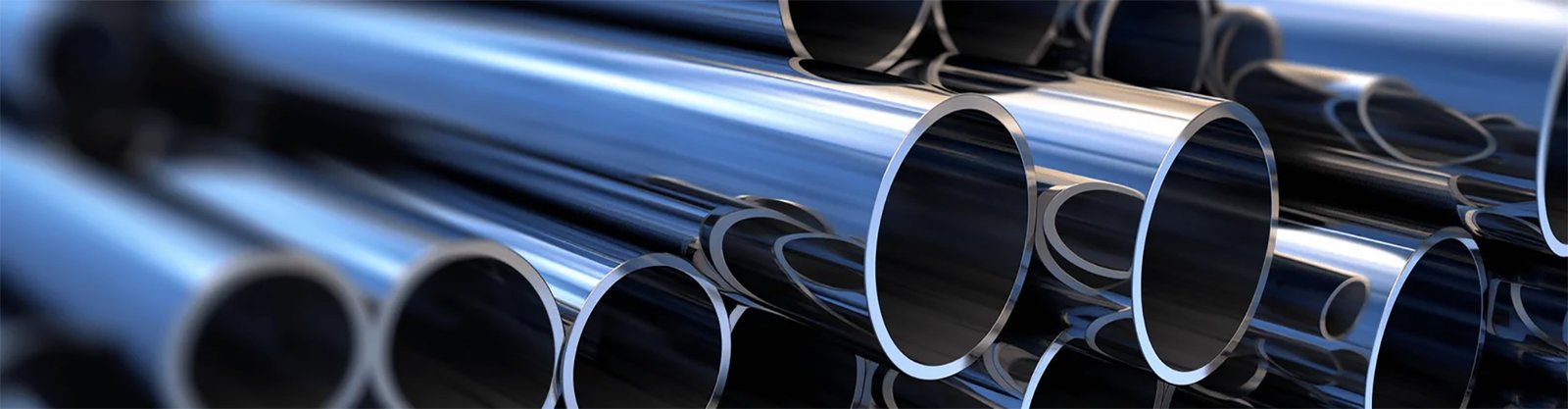
| Titanium Pipe and Tube | Seamless and welded titanium pipe and tube for chemical, marine, desalination and heat-transfer systems. |
| Titanium Fittings | Titanium elbows, tees, reducers, caps and stub ends for corrosion-resistant piping systems. |
| How to Read a Titanium Mill Test Certificate | Guidance on grade, chemistry, mechanical properties, standards and heat-number traceability. |
| Titanium Surface Finish Guide | Explains cleaning, pickling, polishing and contamination control for titanium surfaces. |
Conclusion
Successful titanium welding depends on shielding, cleanliness, material control and procedure qualification. The weld face, trailing zone and root must remain protected from air while hot. Joint surfaces, tools, filler wire and fixtures must also remain free from oil, moisture, iron particles and other contaminants.
Buyers should specify the complete titanium grade, product standard, construction code, welding process, filler classification, gas requirements, visual acceptance, NDT scope and documentation. A bright-looking weld is not enough by itself; reliable acceptance requires traceability, qualified personnel and inspection against agreed criteria.
Request Titanium Welding Materials
SAKY ALLOY supplies titanium plate, sheet, pipe, tube, fittings, flanges and welding wire in commercially pure and titanium-alloy grades with EN 10204 3.1 certification and heat-number traceability.
Send the titanium grade, product standard, dimensions, welding process, filler requirement, inspection scope, quantity and destination port for technical review and quotation.