
Grade 7 Titanium with Palladium: Corrosion Resistance in Acid Service
Introduction
Grade 7 titanium with palladium is a corrosion-resistant titanium alloy based on commercially pure titanium with a small palladium addition. It is used when standard commercially pure titanium grades such as Grade 2 may not provide enough resistance in reducing acid, acidic chloride, chemical processing or crevice-corrosion conditions. The palladium addition helps improve the stability of titanium’s passive film, especially in environments where acid service can challenge ordinary titanium.
Grade 7 titanium, also known as UNS R52400, is commonly specified for chemical processing equipment, acid handling systems, heat exchangers, reaction vessels, piping, valves, fittings, fasteners, anodes and components exposed to aggressive media. Buyers should specify the product form, ASTM or ASME standard, dimensions, surface condition, heat treatment, mechanical properties, corrosion-test requirements, EN 10204 3.1 certificate and any project-specific inspection requirements before ordering.
Direct answer:
• Grade 7 titanium is commercially pure titanium alloyed with palladium for improved corrosion resistance.
• It is selected for acid service, reducing environments, chloride-containing acids and chemical equipment where Grade 2 may be insufficient.
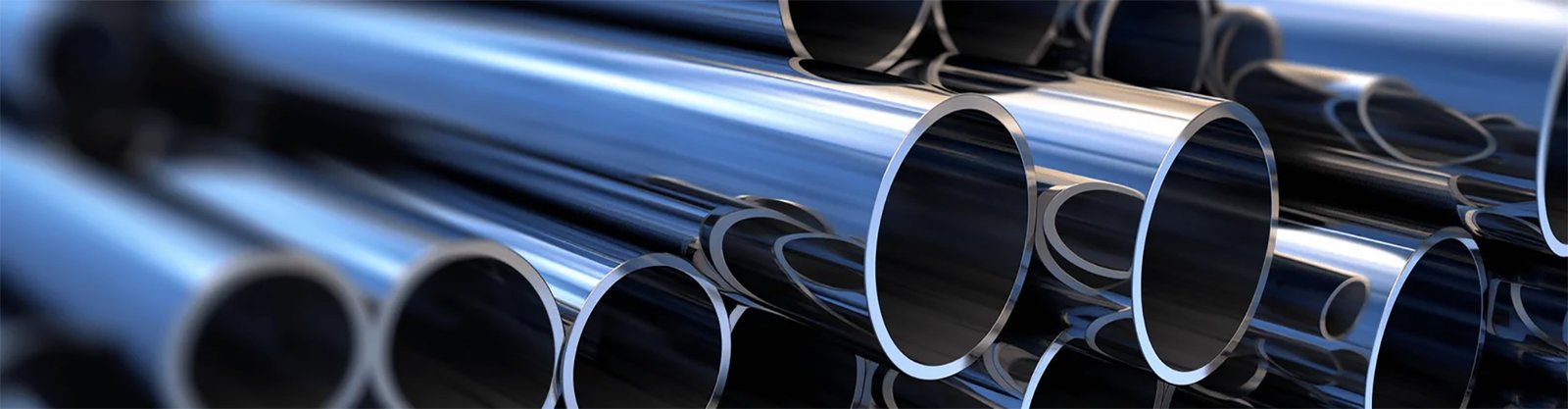
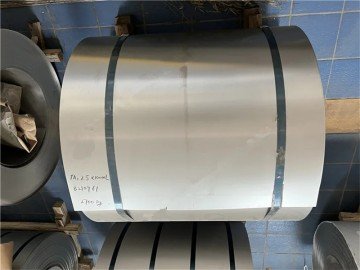
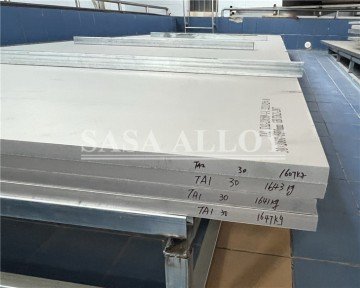
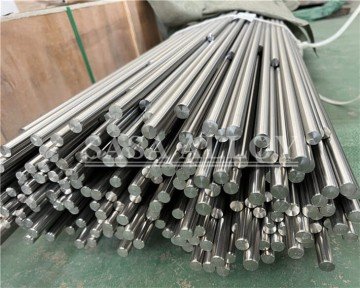
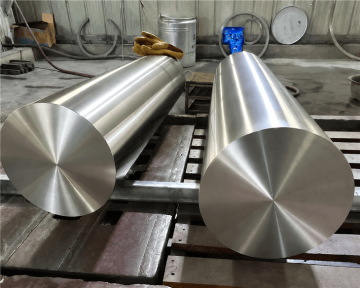
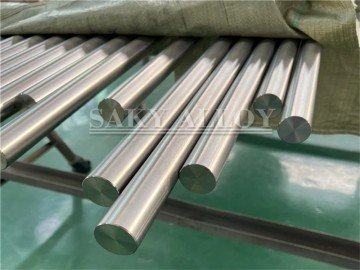
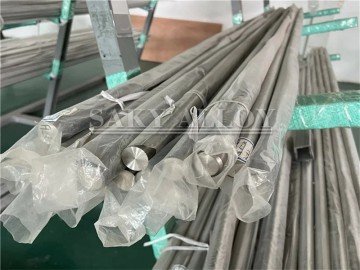
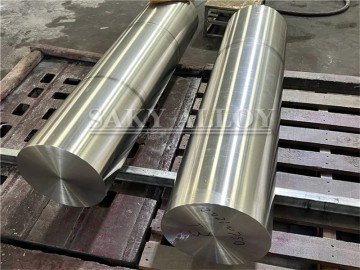
• It can be supplied as plate, sheet, bar, wire, pipe, tube, flange, fitting, fastener and custom fabricated component.
• Common standards include ASTM B265 for plate/sheet, ASTM B348 for bar, ASTM B338 for tube, ASTM B861/B862 for pipe and ASTM B363 for fittings.
• For critical acid service, confirm the actual chemical medium, concentration, temperature, flow condition, crevice risk and required certificate before material selection.
Grade 7 Titanium Product Data Table
| Item | Typical Specification Direction |
|---|---|
| Material Name | Grade 7 Titanium with Palladium |
| UNS Number | UNS R52400 |
| Material Type | Palladium-alloyed commercially pure titanium |
| Main Alloying Feature | Small palladium addition for improved corrosion resistance in selected reducing acid environments |
| Common Product Forms | Plate, sheet, strip, bar, rod, wire, pipe, tube, flange, fitting, fastener and custom part |
| Typical Surface | Pickled, polished, machined, ground, bright or customer-specified surface |
| Typical Certificate | EN 10204 3.1 MTC, chemical composition, mechanical properties and heat-number traceability |
| Typical Applications | Acid equipment, chemical reactors, heat exchangers, piping, valves, fittings and corrosion-resistant components |
Why Palladium Is Added to Titanium
Titanium usually resists corrosion because it forms a thin, stable oxide film. In many oxidizing and neutral environments, commercially pure titanium performs very well. However, some reducing acids and aggressive chloride-acid combinations can weaken the passive film, especially at elevated temperatures or in crevices.
Palladium helps improve the electrochemical behavior of titanium and supports repassivation. This makes Grade 7 titanium useful in chemical systems where standard Grade 2 titanium may be borderline or unsuitable. The palladium content is small, but the impact on corrosion resistance in selected environments can be significant.
| Material | Main Advantage | Selection Note |
|---|---|---|
| Grade 2 Titanium | General commercially pure titanium with good corrosion resistance and availability | Suitable for many chemical and seawater applications, but may be limited in some reducing acids. |
| Grade 7 Titanium | Improved corrosion resistance due to palladium addition | Preferred for more aggressive acid service where Grade 2 needs higher corrosion margin. |
| Grade 11 Titanium | Lower-strength palladium-alloyed titanium based on Grade 1 type chemistry | Used where excellent ductility and corrosion resistance are both important. |
Applications in Acid Service
Grade 7 titanium is used in acid service where equipment must resist corrosion while maintaining low weight, clean surface behavior and good fabrication performance. The final choice should be based on the actual acid type, concentration, temperature, impurities, aeration, flow velocity and presence of crevices.
| Application Scenario | Common Product Form | Buyer Focus |
|---|---|---|
| Chemical Processing Reactors | Plate, sheet, forged part and fabricated component | Corrosion resistance, weld quality, surface finish and MTC traceability. |
| Acid Heat Exchangers | Tube, tube sheet, plate and gasketed components | Tube OD/wall, leakage test, surface cleanliness and corrosion margin. |
| Piping Systems | Seamless pipe, welded pipe, elbow, tee, reducer and flange | Pressure class, dimensional standard, weld inspection and PMI. |
| Valves and Pump Parts | Bar, rod, forging and machined part | Machinability, hardness, tolerance, surface and heat-number control. |
| Electrochemical Equipment | Sheet, mesh, wire, plate and custom part | Surface condition, electrical contact and corrosion performance. |
| Acid Storage and Transfer | Plate, pipe, fittings and fasteners | Medium compatibility, crevice design, gasket selection and inspection scope. |
Standards for Grade 7 Titanium Products
Grade 7 titanium can be supplied in multiple product forms, and each form should be ordered to the correct product standard. The purchase order should not only state “Grade 7 titanium”; it should also include the product form, standard, dimensions, tolerance and certificate requirements.
| Product Form | Common Standard Direction | Typical Buyer Check |
|---|---|---|
| Plate, Sheet and Strip | ASTM B265 / ASME SB265 | Thickness, flatness, surface, UT if required and MTC. |
| Bar and Billet | ASTM B348 / ASME SB348 | Diameter, tolerance, surface, straightness and mechanical properties. |
| Seamless and Welded Tube | ASTM B338 / ASME SB338 | OD, wall, length, pressure test, eddy current or hydro test where required. |
| Seamless Pipe | ASTM B861 / ASME SB861 | NPS, schedule, length, surface, pressure test and traceability. |
| Welded Pipe | ASTM B862 / ASME SB862 | Weld route, NDT, hydro test, dimension and welding documentation. |
| Fittings | ASTM B363 / ASME SB363 | Elbow, tee, reducer, cap, dimension standard and pressure class. |
Certificate and Inspection Checklist
For acid service and chemical processing projects, material traceability is important. Buyers should confirm that the certificate and inspection package match the order and final equipment requirements.
| Document or Test | What It Confirms |
|---|---|
| EN 10204 3.1 MTC | Grade, heat number, chemistry, mechanical properties, standard and production traceability. |
| Chemical Composition Report | Titanium grade identity and palladium addition within the specified range. |
| Mechanical Test Report | Tensile strength, yield strength, elongation and hardness where required. |
| PMI Report | Positive material identification and grade mix-up prevention. |
| Dimensional Report | Thickness, diameter, wall, length, flatness, straightness and tolerance. |
| NDT Report | UT, PT, hydrostatic, pneumatic, eddy current or other ordered inspection results. |
| Corrosion Test Report | Project-specific corrosion performance where the customer requires testing in a defined medium. |
How to Specify Grade 7 Titanium
A clear RFQ should define the service environment and the product requirements. This avoids confusion between Grade 2, Grade 7 and other titanium grades, especially when acid service is involved.
✅ Material: Grade 7 Titanium / UNS R52400 / titanium-palladium alloy.
✅ Product form: plate, sheet, bar, pipe, tube, fitting, flange, fastener, wire or custom part.
✅ Standard: ASTM B265, ASTM B348, ASTM B338, ASTM B861, ASTM B862, ASTM B363 or project standard.
✅ Dimensions: thickness, width, length, diameter, wall thickness, NPS, schedule or drawing.
✅ Surface: pickled, polished, machined, ground or customer-specified finish.
✅ Service medium: acid type, concentration, temperature, impurities, flow condition and pressure.
✅ Fabrication requirement: welding, bending, machining, forming, threading or assembly.
✅ Testing: PMI, UT, PT, hydrostatic test, dimensional inspection or corrosion test.
✅ Certificate: EN 10204 3.1, 3.2 or third-party inspection if required.
✅ Quantity, packaging, marking, destination port and required delivery date.
Grade 7 Titanium vs Grade 2 Titanium
Grade 2 titanium is the standard commercially pure titanium grade used in many industrial and chemical environments. Grade 7 offers similar basic fabrication behavior but with improved corrosion resistance from palladium. Buyers usually consider Grade 7 when Grade 2 is not enough for the acid medium or when the system contains crevices, reducing acids or more aggressive corrosion conditions.
| Comparison | Grade 2 Titanium | Grade 7 Titanium with Palladium |
|---|---|---|
| Material Type | Commercially pure titanium | Commercially pure titanium with palladium addition |
| UNS Number | UNS R50400 | UNS R52400 |
| Corrosion Margin | Good in many chemical and marine environments | Higher in selected reducing acid and crevice-prone environments |
| Cost Direction | Lower | Higher because of palladium content |
| Best Use | General titanium equipment | Acid service and higher corrosion-risk chemical equipment |
Limitations and Buyer Risks
Grade 7 titanium is highly useful in selected corrosion environments, but it is not a universal solution for every acid, concentration or temperature. Material selection should be confirmed by corrosion data, project experience or testing when service conditions are severe or unusual.
• Grade 7 costs more than Grade 2 due to palladium addition.
• Some strong oxidizing, reducing or complex chemical mixtures may require special review.
• Crevice design, gaskets, deposits and stagnant zones can still affect corrosion performance.
• Welding requires clean titanium procedures and proper inert gas shielding.
• Substitution with Grade 2 should not be accepted without engineering approval.
• Availability may be more limited than common titanium grades, especially for large sizes or urgent delivery.
Common Buyer Mistakes
Ordering only “titanium palladium alloy”: The RFQ should clearly state Grade 7, UNS R52400, product form, standard and dimensions.
Assuming Grade 2 and Grade 7 are interchangeable: Grade 7 is selected for higher corrosion margin in acid service and should not be substituted without approval.
Ignoring acid concentration and temperature: Corrosion resistance depends strongly on the actual chemical environment.
Forgetting crevice corrosion risk: Flanges, gaskets, threaded areas and deposits can create local conditions different from bulk solution chemistry.
Not requiring palladium confirmation on the MTC: The material certificate should show chemistry and confirm the Grade 7 composition.
Using contaminated fabrication tools: Titanium surfaces must be protected from iron contamination, oil and improper cleaning.
Comparing quotations without certificate and testing scope: EN 10204 3.1, PMI, UT, PT, hydrostatic test or third-party inspection can change both cost and delivery time.
FAQ
What is Grade 7 titanium with palladium?
Grade 7 titanium is a commercially pure titanium alloy with a small palladium addition. The palladium improves corrosion resistance in selected reducing acid and chloride-acid environments compared with standard commercially pure titanium grades.
What is Grade 7 titanium used for?
It is used for chemical processing equipment, acid heat exchangers, piping, tubes, valves, fittings, flanges, fasteners, reactors, electrochemical equipment and components requiring higher corrosion resistance in acid service.
Is Grade 7 titanium better than Grade 2?
Grade 7 is better than Grade 2 in selected reducing acid and crevice-prone corrosion environments because of the palladium addition. Grade 2 remains more economical for many general titanium applications where the extra corrosion margin is not required.
What is the UNS number for Grade 7 titanium?
The UNS number for Grade 7 titanium is UNS R52400. It should be stated on the purchase order and confirmed on the material certificate.
Can Grade 7 titanium be welded?
Yes, Grade 7 titanium can be welded, but titanium welding requires clean joint preparation, dedicated tools and complete inert gas shielding of the weld face, trailing zone and root side to prevent contamination.
What standards are used for Grade 7 titanium products?
Common standards include ASTM B265 for plate and sheet, ASTM B348 for bar, ASTM B338 for tube, ASTM B861 for seamless pipe, ASTM B862 for welded pipe and ASTM B363 for fittings.
What documents should be supplied with Grade 7 titanium?
Typical documents include EN 10204 3.1 MTC, chemical composition, mechanical properties, heat number, product standard, dimensional report and inspection records. PMI, UT, PT, hydrostatic test, corrosion test or third-party inspection may be added for critical acid-service projects.
Related Titanium Products and Guides
| Related Product | Procurement Use |
|---|---|
| Titanium Grade 7 Products | Grade 7 titanium plate, sheet, bar, pipe, tube, fittings and custom parts for acid service. |
| Titanium Plate and Sheet | Flat titanium products for vessels, linings, reactors, heat exchangers and fabricated equipment. |
| Titanium Pipe and Tube | Seamless and welded titanium pipe and tube for acid transfer, heat exchangers and chemical systems. |
| Titanium Fittings | Titanium elbows, tees, reducers, caps and pipe fittings for corrosion-resistant piping systems. |
| Titanium Welding Guide | Guidance on titanium welding, shielding gas, cleanliness, weld defects and certificate checks. |
| How to Read a Titanium MTC | Explains titanium grade, chemistry, mechanical properties, standards and heat-number traceability. |
Conclusion
Grade 7 titanium with palladium is a high-corrosion-resistance titanium grade used when ordinary commercially pure titanium does not provide enough margin in acid service. Its small palladium addition improves performance in selected reducing acid and chloride-acid environments, making it useful for chemical processing equipment, heat exchangers, piping, valves, fittings and acid-handling components.
For successful procurement, buyers should define the exact medium, concentration, temperature, product form, standard, dimensions, surface finish, welding or machining requirement, inspection scope and certificate type. Grade 7 should be specified clearly as UNS R52400 and confirmed by the MTC, including palladium chemistry and heat-number traceability.
Request Grade 7 Titanium Materials
SAKY ALLOY supplies Grade 7 titanium / UNS R52400 plate, sheet, bar, pipe, tube, wire, fittings, flanges and custom parts for acid service and chemical-processing applications.
Send the product form, standard, dimensions, acid medium, concentration, temperature, quantity, inspection requirements, certificate type and destination port for technical review and quotation.