
3D Printed Titanium Pipe: Next‑Gen Fabrication
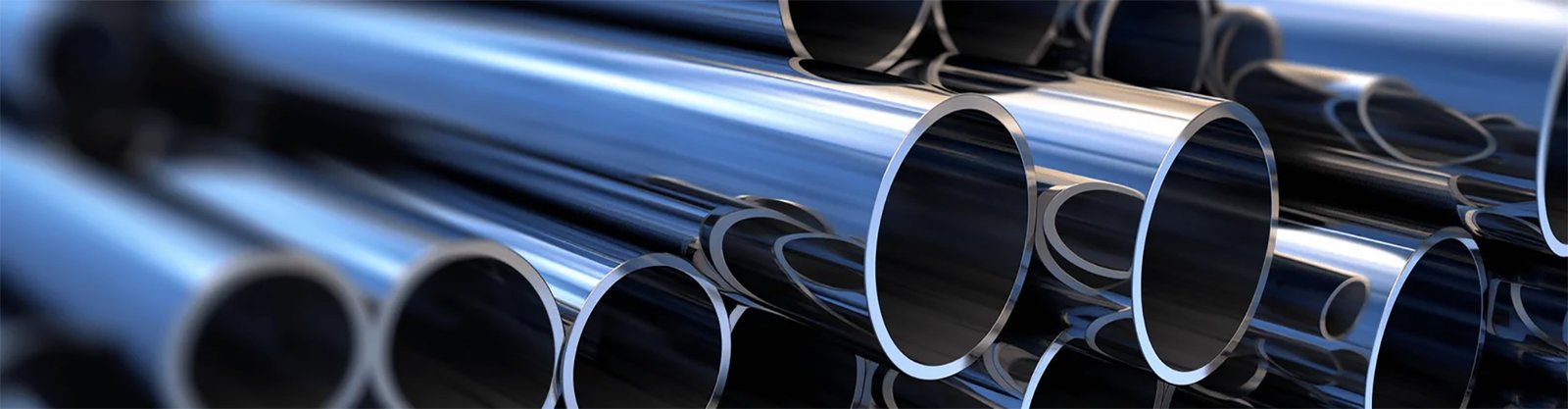
In recent years, 3D printing—or additive manufacturing—has revolutionized industries from aerospace to medical to energy. As this technology continues to evolve, one of its most groundbreaking applications is the 3D printing of titanium pipe. Traditionally, titanium pipe was manufactured through extrusion, rolling, welding, or drawing. But with 3D printing, designers and engineers can now create titanium piping structures that are more complex, more lightweight, and better optimized for performance than ever before.
This article explores how 3D printed titanium pipe is changing the way we think about material design and system integration, what makes it such a powerful innovation, and how suppliers like sakyalloy are leading the charge in providing next-gen titanium solutions for cutting-edge industries.
What Is 3D Printed Titanium Pipe?
3D printed titanium pipe refers to pipe components that are created layer by layer using titanium powder or wire feedstock through additive manufacturing processes such as:
-
Selective Laser Melting (SLM)
-
Electron Beam Melting (EBM)
-
Direct Energy Deposition (DED)
-
Laser Metal Deposition (LMD)
Unlike traditional subtractive or forming methods, 3D printing allows engineers to design and build pipe geometries that are impossible or cost-prohibitive with conventional processes. This includes internal channels, lattice-reinforced walls, variable thicknesses, or entirely new pipe profiles tailored to specific use cases.
Why Use 3D Printing for Titanium Pipe?
The 3D printing of titanium pipe is not just about novelty—it brings real, measurable advantages in both performance and production efficiency:
1. Design Freedom
Engineers can design pipes with:
-
Integrated bends or flanges
-
Internal cooling or heating channels
-
Lightweight lattice structures for aerospace use
-
Complex junctions without welding
This reduces the need for separate fittings, fasteners, and welded joints, enhancing system reliability.
2. Weight Reduction
Using topological optimization, 3D printing can reduce material usage while maintaining strength. For aerospace, automotive, or portable applications, this translates into major performance and fuel savings.
3. Faster Prototyping and Customization
Need a custom titanium pipe design for a specific machine, drone, or robotic system? 3D printing allows for one-off production without the need for expensive tooling.
4. Less Waste
Titanium is a valuable and expensive material. Additive manufacturing uses only the necessary amount of feedstock, minimizing scrap and reducing cost over time.
Titanium Grades for 3D Printing
Not all titanium is equally suited for additive manufacturing. Common grades used for 3D printed titanium pipe include:
-
Ti-6Al-4V (Grade 5): The most widely used alloy in aerospace and medical applications due to its strength, fatigue resistance, and biocompatibility.
-
Ti-6Al-4V ELI (Grade 23): A purer version of Grade 5, ideal for biomedical and cryogenic use.
-
CP Titanium (Grade 2): Used where corrosion resistance is the priority over strength, such as in chemical piping or marine systems.
Suppliers like sakyalloy provide powder or raw feedstock in these grades, as well as finished products, ensuring compatibility with 3D printing systems and high-performance applications.
Industries Driving Demand for 3D Printed Titanium Pipe
Aerospace
Aircraft manufacturers use 3D printed titanium pipes to create fuel lines, hydraulic systems, and cooling channels with precise geometries and reduced weight. Internal lattice structures reduce mass while maintaining strength, which is essential for performance and fuel efficiency.
Medical
Implantable devices and surgical robots benefit from small-diameter 3D printed titanium tubing. These pipes can be customized for specific anatomies or instrument paths, all while meeting strict biocompatibility requirements.
Oil and Gas
In harsh subsea environments, 3D printed titanium pipe is used for custom components in systems that must withstand both pressure and corrosion. Compact and integrated parts reduce leak points and improve safety.
Robotics and Automation
Flexible piping systems designed via 3D modeling and printed in titanium are transforming how robotic joints and actuators are assembled. These parts offer strength without bulk, ideal for mobile and precise systems.
Challenges and Solutions in 3D Printed Titanium Pipe
Despite the many advantages, 3D printing titanium pipe comes with challenges:
-
High equipment cost: Industrial-grade metal 3D printers are expensive and require expert operation.
-
Surface finish: Printed surfaces often require post-processing such as machining or polishing.
-
Inspection: Non-destructive testing (NDT) must verify internal quality and consistency layer by layer.
-
Material consistency: Titanium powder quality and storage conditions directly affect part quality.
These challenges are being met with ongoing innovations in printer technology, in-situ monitoring, heat treatment methods, and powder recycling systems. Reliable suppliers like sakyalloy also help customers ensure feedstock and final parts meet international standards.
Quality Control and Standards
3D printed titanium pipe used in critical industries must pass the same certifications and quality control checks as traditionally manufactured parts. Common standards include:
-
ASTM F3001 – Additive manufacturing of Ti-6Al-4V
-
ASTM B348 / B861 – For forged and seamless pipe tolerances
-
ISO/ASTM 52900 – Additive manufacturing general principles
With proper testing and documentation, 3D printed pipes can be fully certified for aerospace, medical, or industrial deployment.
The Role of sakyalloy in Additive Titanium Fabrication
sakyalloy plays a key role in supporting next-generation titanium solutions by:
-
Supplying high-purity titanium powder and wire feedstock for additive manufacturing
-
Offering consultation and design support for 3D printed piping projects
-
Providing finished or semi-finished 3D printed titanium pipe for custom integration
-
Ensuring compliance with international standards and traceability
Whether for prototyping or large-scale production, sakyalloy helps engineers and manufacturers harness the full potential of titanium in additive manufacturing.
The Future of 3D Printed Titanium Pipe
Looking ahead, the integration of AI-driven design, real-time quality monitoring, and multi-material printing will further unlock the potential of 3D printed titanium pipe. Applications may include:
-
Multi-functional pipes with embedded sensors
-
Hybrid structures combining titanium with carbon fiber or ceramics
-
Autonomous repair using robotic printing arms for on-site titanium pipe restoration
As adoption increases, prices are expected to decrease, making this powerful technology more accessible to small and medium-sized manufacturers across the globe.
Conclusion
3D printed titanium pipe is more than just a technological trend—it is a transformative innovation that combines the best of material science, digital design, and advanced manufacturing. From aerospace to robotics to medical technology, titanium piping created through additive manufacturing enables stronger, lighter, and more efficient systems.
With ongoing improvements in process control, material quality, and part validation, the era of next-gen fabrication has already begun. And with trusted partners like sakyalloy, industries around the world can access reliable titanium solutions designed for the future of high-performance engineering.