
All You Need to Know About Titanium Fittings
Titanium has become one of the most sought-after engineering materials due to its outstanding combination of properties, including high strength-to-weight ratio, excellent corrosion resistance, and biocompatibility. Among the many titanium products used in industries today, titanium fittings play a critical role in ensuring the efficiency, reliability, and safety of piping systems. Whether in aerospace, chemical processing, medical applications, or marine environments, titanium fittings provide unmatched durability and performance.
This article will cover everything you need to know about titanium fittings, including their types, properties, advantages, applications, and why industries worldwide choose titanium over other materials.
What Are Titanium Fittings?
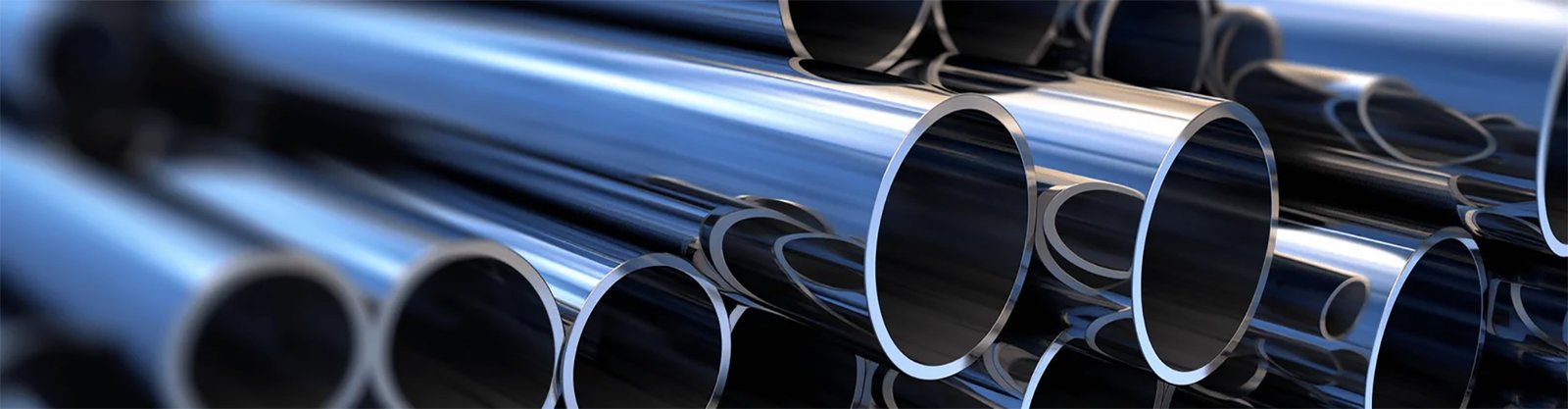
Titanium fittings are components used in piping and tubing systems to connect, control, or terminate fluid and gas flow. They include items such as elbows, tees, reducers, couplings, unions, and flanges. Made from titanium grades like Grade 2 (commercially pure titanium) and Grade 5 (Ti-6Al-4V), these fittings are engineered to deliver high mechanical strength and outstanding resistance to corrosion in aggressive environments.
Key Properties of Titanium Fittings
The popularity of titanium fittings is driven by their unique set of properties:
-
High Strength-to-Weight Ratio: Titanium is nearly as strong as steel but about 45% lighter, reducing overall system weight.
-
Corrosion Resistance: Titanium naturally forms a protective oxide layer, making it resistant to corrosion in seawater, chlorides, and many chemicals.
-
Biocompatibility: Non-toxic and compatible with human tissue, making it suitable for medical implants and devices.
-
High Temperature Resistance: Titanium maintains its strength and stability even at elevated temperatures.
-
Longevity: Fittings last significantly longer than those made from carbon steel or copper alloys in harsh environments.
Common Types of Titanium Fittings
Titanium fittings are available in various designs to meet different system requirements:
-
Titanium Elbows: Change the direction of flow in piping systems.
-
Titanium Tees: Allow branching of pipelines.
-
Titanium Reducers: Connect pipes of different diameters.
-
Titanium Couplings and Unions: Join two pipes together securely.
-
Titanium Flanges: Provide strong and leak-proof connections in piping systems.
-
Titanium Caps and Plugs: Seal pipe ends effectively.
These fittings are manufactured to international standards such as ASTM B363 and ASME specifications.
Grades of Titanium Used in Fittings
The most common grades of titanium used in fittings include:
-
Grade 2 Titanium (Commercially Pure): Excellent corrosion resistance, lightweight, and ideal for chemical processing and marine applications.
-
Grade 5 Titanium (Ti-6Al-4V): Stronger than Grade 2, used in aerospace and high-performance engineering applications.
-
Grade 7 Titanium: Known for superior corrosion resistance in reducing and oxidizing environments due to added palladium.
-
Grade 12 Titanium: Offers excellent resistance to crevice corrosion and erosion in hot acids.
Advantages of Using Titanium Fittings
Industries prefer titanium fittings because they provide:
-
Extended Service Life: Their resistance to corrosion significantly reduces replacement frequency.
-
Weight Reduction: Particularly beneficial in aerospace, marine, and automotive industries where fuel efficiency matters.
-
High Reliability: Withstands aggressive environments like seawater, hydrochloric acid, and chlorine solutions.
-
Versatility: Can be used in industries ranging from aerospace to pharmaceuticals.
-
Cost Savings Over Time: Although initial costs are higher than carbon steel, long service life reduces overall lifecycle costs.
Applications of Titanium Fittings
Titanium fittings are indispensable across many industries:
-
Aerospace: Used in hydraulic systems, fuel systems, and structural connections due to lightweight and strength.
-
Chemical Processing: Resistant to corrosive chemicals, acids, and solvents, ensuring long-term system integrity.
-
Marine and Offshore: Withstand seawater corrosion, making them perfect for desalination plants and offshore oil platforms.
-
Medical Field: Applied in surgical equipment, prosthetics, and implants where biocompatibility is crucial.
-
Power Generation: Used in heat exchangers and condensers for nuclear and thermal power plants.
-
Automotive: High-performance and racing vehicles use titanium fittings to reduce weight and enhance reliability.
Titanium Fittings vs Other Materials
-
Titanium vs Stainless Steel: Titanium is lighter and more corrosion resistant, though stainless steel is less costly.
-
Titanium vs Carbon Steel: Carbon steel is cheaper but prone to rusting; titanium offers better long-term value.
-
Titanium vs Copper Alloys: Copper alloys resist some corrosion but lack the strength and lightweight benefits of titanium.
Challenges of Titanium Fittings
Despite their many advantages, titanium fittings come with some challenges:
-
High Initial Cost: Titanium is more expensive than other metals.
-
Fabrication Difficulty: Requires specialized machining and welding techniques.
-
Availability: Some specialized fittings may have longer lead times.
However, industries choose titanium because the long-term benefits far outweigh these challenges.
Why Choose Reliable Suppliers
The performance of titanium fittings depends on precise manufacturing and adherence to international standards. Leading suppliers such as sakyalloy provide high-quality titanium fittings that meet ASTM and ASME requirements. By sourcing from sakyalloy, industries gain confidence in durability, consistency, and suitability for their demanding applications.
Conclusion
Titanium fittings are essential components in modern engineering, offering exceptional strength, corrosion resistance, and reliability across critical industries. While they come at a higher upfront cost, their long service life, weight-saving benefits, and superior performance make them a cost-effective solution in the long run.
From aerospace to chemical processing, marine systems to medical applications, titanium fittings ensure safety, efficiency, and longevity. By understanding their properties, applications, and advantages, industries can make informed decisions when selecting materials for their piping systems.