
Analysis Of The Thermal Expansion Performance Of Gr2 Titanium
Titanium and its alloys have become indispensable in aerospace, marine, medical, and chemical processing industries due to their lightweight, excellent corrosion resistance, and high strength-to-weight ratio. Among them, Grade 2 Titanium (Gr2 Titanium) is the most widely used commercially pure titanium grade. One of the critical factors influencing its application is thermal expansion performance, which determines how the material behaves under fluctuating temperatures. This article provides a detailed analysis of the thermal expansion performance of Gr2 titanium, its influencing factors, industrial relevance, and why it continues to be a preferred choice in engineering applications.
What Is Gr2 Titanium?
Grade 2 Titanium is a commercially pure titanium (CP-Ti) with moderate strength, excellent corrosion resistance, and outstanding weldability. It contains very low levels of oxygen, iron, and nitrogen, which enhances ductility and formability compared to higher grades of titanium.
Key Properties of Gr2 Titanium:
-
Density: 4.51 g/cm³ (lighter than steel, heavier than aluminum)
-
Tensile Strength: ~ 345 MPa
-
Yield Strength: ~ 275 MPa
-
Elongation: ~ 20%
-
Corrosion Resistance: Excellent in oxidizing and mildly reducing environments
These properties make it ideal for applications such as heat exchangers, condensers, marine equipment, and medical implants.
Understanding Thermal Expansion
Thermal expansion refers to the tendency of a material to change its dimensions when subjected to temperature variations. The key parameter is the coefficient of thermal expansion (CTE), usually expressed in µm/m·K.
-
Low CTE: Better dimensional stability under temperature fluctuations.
-
High CTE: Larger size changes, which may cause stresses or failure in engineering components.
Thermal Expansion Performance of Gr2 Titanium
Coefficient of Thermal Expansion (CTE)
-
At room temperature (~20°C): ~8.6 µm/m·K
-
Between 20–300°C: ~9.0 µm/m·K
-
Between 20–600°C: ~9.5 µm/m·K
This shows that Gr2 Titanium has a relatively low coefficient of thermal expansion compared to steels and nickel alloys.
Temperature Dependence
As temperature increases, the CTE gradually rises. However, compared to many metals, Gr2 Titanium maintains stable expansion characteristics, making it suitable for high-temperature and cyclic environments.
Comparison with Other Materials
-
Carbon Steel: ~12 µm/m·K
-
Stainless Steel (304): ~17 µm/m·K
-
Aluminum: ~23 µm/m·K
-
Gr2 Titanium: ~9 µm/m·K
This comparison highlights that Gr2 Titanium expands significantly less than steel and aluminum, offering greater dimensional stability.
Factors Influencing Thermal Expansion of Gr2 Titanium
-
Temperature Range: Higher temperatures lead to increased expansion rates.
-
Alloy Purity: Small variations in oxygen or iron content can influence thermal expansion behavior.
-
Heat Treatment: Annealed titanium may show slightly different expansion rates compared to cold-worked material.
-
Microstructure: Grain size and crystal orientation affect expansion anisotropy.
-
Environmental Exposure: Oxidation or surface contamination at high temperatures may alter performance.
Industrial Relevance of Gr2 Titanium’s Thermal Expansion
1. Aerospace Applications
-
Stability under fluctuating temperatures ensures safety in jet engines and spacecraft structures.
-
Reduced expansion compared to aluminum prevents thermal distortion in high-precision components.
2. Chemical Processing
-
Heat exchangers and reactors require materials that maintain dimensional accuracy under heating and cooling cycles.
-
Gr2 Titanium provides excellent stability, preventing thermal fatigue and leakage.
3. Marine Industry
-
Ships and offshore platforms experience extreme temperature changes.
-
Low expansion rate ensures long-term sealing integrity and reduced stress on joints.
4. Medical Field
-
Implants and surgical instruments must remain stable in body temperature environments.
-
The biocompatibility and low expansion of Gr2 Titanium make it ideal for medical use.
Advantages of Low Thermal Expansion in Gr2 Titanium
-
Dimensional Stability: Components maintain shape and tolerance under varying temperatures.
-
Reduced Thermal Stress: Lower expansion minimizes stress in multi-material assemblies.
-
Extended Service Life: Less expansion and contraction improve fatigue resistance.
-
Improved Reliability: Ensures safety in aerospace and critical chemical plant operations.
Practical Considerations in Engineering
-
Design Compensation: Engineers can account for expansion when designing titanium structures.
-
Welding & Joining: Matching thermal expansion between materials reduces the risk of cracking.
-
Maintenance: Equipment with Gr2 Titanium requires less adjustment due to thermal distortion.
Comparative Table: Thermal Expansion
| Material | CTE (µm/m·K) | Remarks |
|---|---|---|
| Gr2 Titanium | 8.6–9.5 | Low expansion, stable performance |
| Carbon Steel | ~12 | Higher expansion, moderate stability |
| Stainless Steel 304 | ~17 | Significant expansion at high temps |
| Aluminum | ~23 | Very high expansion, less stability |
Why Supplier Quality Matters
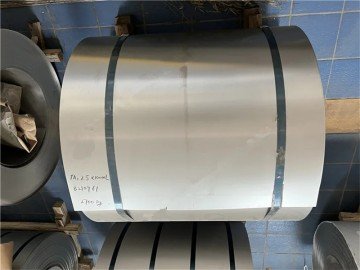
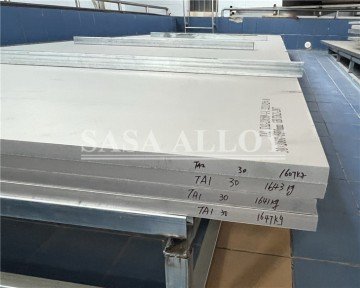
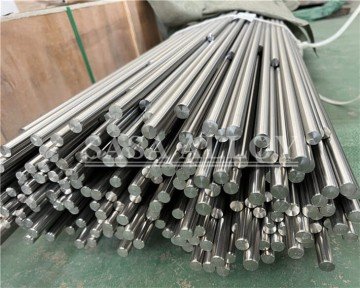
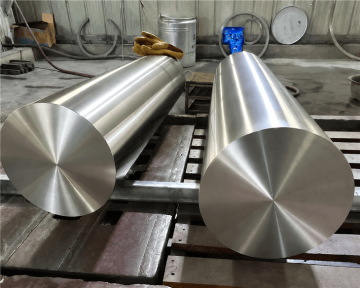
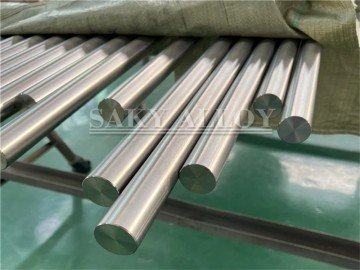
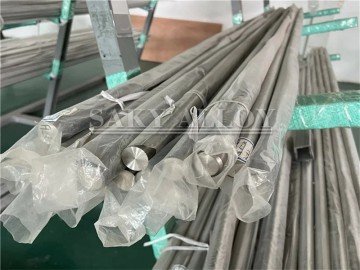
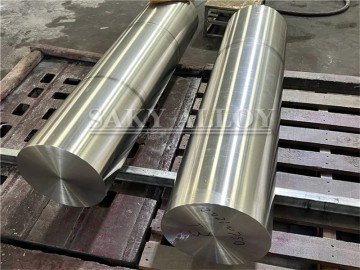
Accurate thermal expansion performance depends on material purity and compliance with international standards such as ASTM B265 and AMS specifications. Working with trusted suppliers ensures that Gr2 Titanium plates, sheets, and bars perform as expected in critical applications. Companies like sakyalloy provide certified titanium materials with consistent properties, ensuring reliable performance under varying thermal conditions.
Conclusion
The thermal expansion performance of Gr2 Titanium makes it an ideal choice for industries where dimensional stability, corrosion resistance, and reliability are essential. With its low coefficient of thermal expansion compared to steel and aluminum, Gr2 Titanium ensures safety and long-term efficiency in aerospace, marine, chemical, and medical applications.
By sourcing from reliable suppliers such as sakyalloy, manufacturers and engineers can ensure they are working with titanium materials that meet stringent quality standards, allowing for predictable and efficient performance in high-demand environments. Gr2 Titanium’s unique balance of properties reinforces its role as one of the most valuable materials in modern engineering.