
Applications of Titanium Grade 11 Bars in Seawater Desalination Plants
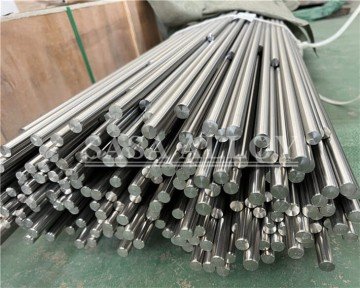
Seawater desalination plants play a crucial role in supplying fresh water to regions with limited freshwater resources. These plants operate in extremely harsh environments, where materials are continuously exposed to high salinity, corrosive agents, and varying temperatures. Selecting the right materials for construction and equipment is critical to ensure longevity, reliability, and optimal performance. Among the materials used in these demanding applications, Titanium Grade 11 bars have emerged as a preferred solution due to their exceptional corrosion resistance, mechanical strength, and durability.
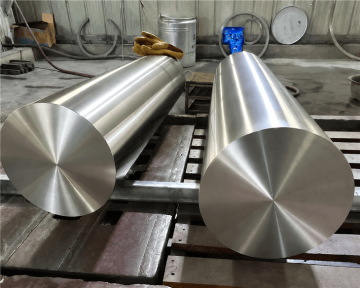
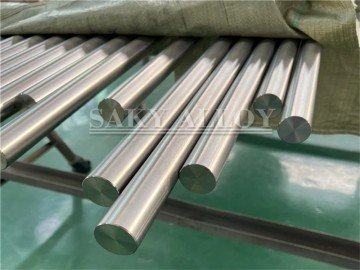
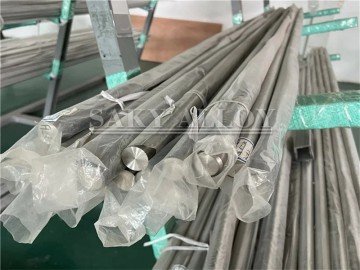
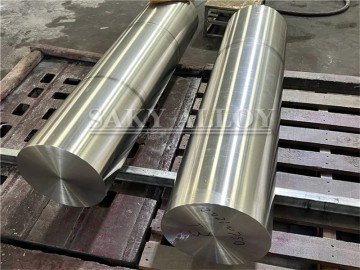
Global suppliers such as sakyalloy provide high-quality Titanium Grade 11 bars specifically designed for seawater desalination plants. These bars meet international standards and are engineered to deliver long-term performance in corrosive marine environments. This article explores the key applications of Titanium Grade 11 bars in seawater desalination plants and explains why they are considered an essential material for modern desalination systems.
Exceptional Corrosion Resistance in Marine Environments
One of the primary advantages of Titanium Grade 11 bars is their outstanding corrosion resistance in seawater and highly saline environments. Grade 11 titanium contains small amounts of palladium and other stabilizing elements that enhance its ability to resist pitting, crevice corrosion, and general surface degradation caused by chlorides.
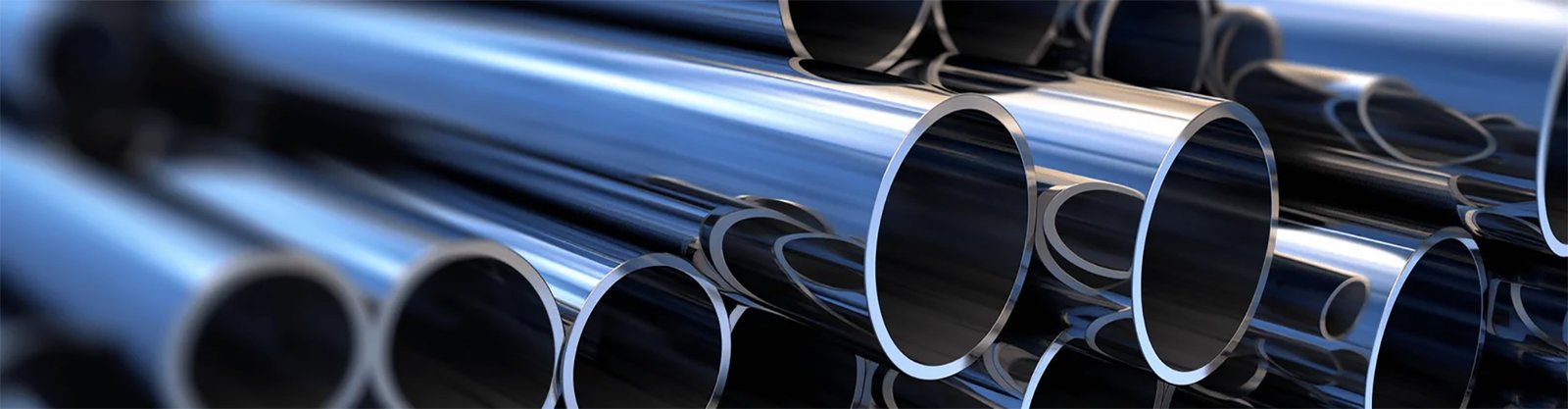
In desalination plants, equipment such as heat exchangers, evaporators, condenser tubes, and piping systems are continuously exposed to seawater. Using Titanium Grade 11 bars for critical components ensures that the structural integrity of the system is maintained over time, minimizing maintenance requirements and reducing the risk of unexpected failure.
Suppliers like sakyalloy ensure that the Titanium Grade 11 bars provided for desalination applications meet stringent quality control standards, guaranteeing consistent performance even under long-term seawater exposure.
Mechanical Strength and Durability Under Continuous Operation
Seawater desalination plants operate continuously, and materials are subject to mechanical stress, high pressure, and temperature fluctuations. Titanium Grade 11 bars offer excellent mechanical strength, enabling them to withstand high pressures in piping systems, pumps, and rotating equipment without deformation or failure.
The combination of strength and flexibility makes Titanium Grade 11 bars suitable for applications such as:
Desalination plant piping systems
Reverse osmosis (RO) membranes support structures
Evaporator and condenser components
High-pressure valves and pump shafts
Structural supports in marine installations
This mechanical reliability ensures that plant operations remain safe and efficient, even under demanding conditions.
Heat and Temperature Resistance for Process Efficiency
Seawater desalination involves processes such as thermal distillation, multistage flash (MSF), and reverse osmosis, which expose materials to varying temperatures. Titanium Grade 11 bars retain their mechanical properties and corrosion resistance across a wide temperature range, making them ideal for high-temperature applications in desalination plants.
Components fabricated from Titanium Grade 11 bars, such as heat exchanger tubes and evaporator parts, maintain dimensional stability and structural integrity under thermal stress. This helps optimize process efficiency while reducing the risk of damage due to thermal expansion or contraction.
Applications in Heat Exchangers and Condenser Systems
Heat exchangers and condensers are essential components in thermal desalination plants. They transfer heat between seawater and process fluids, ensuring efficient energy utilization. Titanium Grade 11 bars are commonly used to manufacture tubes, plates, and support structures in these systems.
The corrosion resistance of Titanium Grade 11 ensures that the heat exchanger surfaces remain smooth and free from pitting or scaling, which could reduce heat transfer efficiency. Long-term reliability also reduces downtime for cleaning, maintenance, and replacement, resulting in lower operational costs.
Support Structures and Piping Systems
In addition to equipment components, Titanium Grade 11 bars are used in structural supports and piping systems within desalination plants. These bars provide high strength and resistance to seawater corrosion, which is critical for pipelines transporting intake water, brine, and processed freshwater.
The use of Titanium Grade 11 reduces the risk of leaks, structural damage, and system failures caused by corrosion. This ensures continuous operation and contributes to the overall efficiency and safety of the desalination plant.
Resistance to Biofouling and Scaling
Biofouling and scaling are common challenges in seawater desalination plants, caused by marine organisms and mineral deposits accumulating on equipment surfaces. Titanium Grade 11 bars resist these issues due to their smooth surface and excellent corrosion resistance.
By minimizing biofouling and scaling, components fabricated from Titanium Grade 11 maintain high efficiency, reduce energy consumption, and extend the service life of the desalination system. This is particularly important for heat exchangers, condensers, and piping systems that are in direct contact with seawater.
Long-Term Cost Effectiveness and Sustainability
While Titanium Grade 11 bars may have higher initial costs compared to conventional materials, their long-term benefits make them a cost-effective choice. The reduced maintenance requirements, extended service life, and enhanced operational reliability significantly lower the total lifecycle cost of desalination plant components.
Moreover, titanium is fully recyclable, contributing to sustainable and environmentally responsible engineering practices. Choosing Titanium Grade 11 bars for seawater desalination plants supports both economic efficiency and sustainability goals.
Global Adoption and Industry Standards
Titanium Grade 11 bars are widely adopted in seawater desalination plants worldwide, meeting international standards for material quality, corrosion resistance, and mechanical performance. Suppliers such as sakyalloy ensure that each batch of bars undergoes rigorous quality testing to provide consistent, high-quality material suitable for critical desalination applications.
Conclusion
Titanium Grade 11 bars have become an essential material in seawater desalination plants due to their exceptional corrosion resistance, mechanical strength, heat resistance, and long-term durability. They are used in a wide range of applications, including heat exchangers, condensers, piping systems, and structural supports, ensuring efficient, reliable, and safe plant operations.
With the support of trusted suppliers such as sakyalloy, engineers and plant operators can rely on Titanium Grade 11 bars to meet the demanding requirements of modern desalination systems. From resisting seawater corrosion to maintaining performance under extreme temperatures and pressures, Titanium Grade 11 bars offer a sustainable, cost-effective, and high-performance solution for seawater desalination plants.