
ASTM B348 and AMS 4951 Standards for Titanium Grade 11 Bars
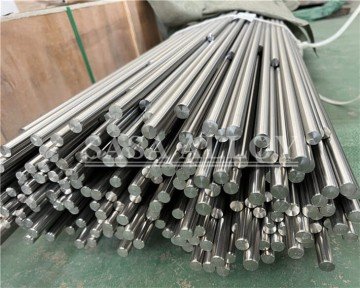
In high-performance industries such as aerospace, marine, and chemical processing, the choice of materials is crucial for ensuring strength, corrosion resistance, and reliability. Titanium Grade 11 bars have emerged as a preferred material for demanding applications due to their excellent corrosion resistance, high strength-to-weight ratio, and superior durability. Compliance with ASTM B348 and AMS 4951 standards guarantees that these bars meet stringent industrial requirements. This article explores the importance of these standards, the properties of Titanium Grade 11 bars, and the benefits of sourcing from trusted suppliers like Sakyalloy.
Overview of Titanium Grade 11
Titanium Grade 11 is a commercially pure titanium alloy known for its exceptional corrosion resistance in oxidizing and reducing environments. It is particularly resistant to seawater, chlorine, nitric acid, and other aggressive chemicals, making it suitable for marine, chemical, and aerospace applications.
The typical chemical composition of Titanium Grade 11 includes:
-
Titanium (Ti): Balance
-
Palladium (Pd): 0.15–0.25%
-
Iron (Fe): ≤0.20%
-
Oxygen (O): ≤0.12%
-
Carbon (C): ≤0.08%
-
Nitrogen (N): ≤0.03%
-
Hydrogen (H): ≤0.015%
This composition provides enhanced corrosion resistance compared to commercially pure titanium (Grade 2) while maintaining excellent formability and weldability.
Key Applications of Titanium Grade 11 Bars
Titanium Grade 11 bars are widely used in:
-
Aerospace Components: Landing gear, airframe structures, and fasteners
-
Marine and Offshore Applications: Propeller shafts, seawater piping, and desalination equipment
-
Chemical Processing Plants: Reactors, heat exchangers, and piping exposed to aggressive chemicals
-
Medical and Pharmaceutical Equipment: Components requiring non-reactive and corrosion-resistant materials
Compliance with ASTM B348 and AMS 4951 ensures these bars meet the exacting standards required for such high-performance applications.
ASTM B348 Standard
ASTM B348 is the primary standard governing unalloyed titanium and titanium alloy bars, billets, and forgings. The standard defines requirements for:
-
Chemical Composition: Ensuring proper alloying and impurity limits
-
Mechanical Properties: Including tensile strength, yield strength, and elongation
-
Dimensions and Tolerances: Specifying bar diameter, length, and straightness
-
Testing Requirements: Tensile, hardness, and microstructural examinations
By adhering to ASTM B348, manufacturers can ensure uniform quality, reliable mechanical performance, and material traceability.
Mechanical Properties Specified by ASTM B348
Typical mechanical properties for Titanium Grade 11 bars under ASTM B348 include:
-
Tensile Strength: 380–480 MPa
-
Yield Strength: 275–345 MPa
-
Elongation: ≥20%
-
Hardness: 150–200 HV
These properties make Titanium Grade 11 bars suitable for structural applications where both strength and corrosion resistance are critical.
AMS 4951 Standard
AMS 4951 is a material specification developed by the aerospace industry for titanium alloys, including Grade 11. This standard provides:
-
Detailed metallurgical requirements to ensure consistent material performance
-
Heat treatment and processing guidelines for optimizing mechanical and corrosion properties
-
Inspection and testing protocols including chemical, mechanical, and microstructural evaluations
-
Certification and documentation requirements for aerospace and critical applications
AMS 4951 ensures Titanium Grade 11 bars are suitable for demanding environments, including high-stress and corrosive applications.
Benefits of AMS 4951 Compliance
Compliance with AMS 4951 ensures:
-
High dimensional accuracy and mechanical integrity
-
Enhanced resistance to stress corrosion cracking
-
Reliability under aerospace, marine, and chemical processing conditions
-
Full material traceability and certification
Together with ASTM B348, AMS 4951 guarantees exceptional material quality and consistency.
Material Certification and Traceability
For high-performance applications, material certification and traceability are essential. Certified Titanium Grade 11 bars provide:
-
Material Test Certificates (MTCs) verifying chemical composition, mechanical properties, and heat treatment
-
Heat number and batch traceability linking each bar to its raw material origin
-
Compliance with ASTM B348 and AMS 4951 standards
-
Inspection and testing documentation ensuring quality assurance and regulatory compliance
Suppliers like Sakyalloy provide fully certified Titanium Grade 11 bars, ensuring reliability, safety, and project compliance.
Advantages of Titanium Grade 11 Bars
Titanium Grade 11 bars offer numerous advantages over other materials, particularly in corrosive and high-performance environments:
-
Superior Corrosion Resistance: Effective against oxidizing and reducing agents, seawater, and industrial chemicals
-
High Strength-to-Weight Ratio: Ideal for aerospace and marine applications
-
Excellent Weldability and Fabrication: Allows complex component manufacturing
-
Long-Term Durability: Reduces maintenance and replacement costs
-
Compatibility with International Standards: ASTM B348 and AMS 4951 compliance ensures global usability
These advantages make Titanium Grade 11 bars a preferred choice for critical engineering applications.
Industrial Applications Requiring ASTM B348 and AMS 4951 Compliance
Industries relying on certified Titanium Grade 11 bars include:
-
Aerospace and Defense: Structural components, landing gear, and airframe fasteners
-
Marine and Offshore Engineering: Desalination plants, seawater piping, and offshore platforms
-
Chemical and Petrochemical Processing: Heat exchangers, reactors, and high-corrosion piping systems
-
Medical and Pharmaceutical Equipment: Sterile and non-reactive components
-
Industrial Machinery: High-performance components exposed to heat and corrosive agents
Compliance with ASTM B348 and AMS 4951 ensures that Titanium Grade 11 bars deliver consistent performance and long service life.
Why Choose Sakyalloy
Sakyalloy is a trusted supplier of ASTM B348 and AMS 4951-compliant Titanium Grade 11 bars. Key benefits of sourcing from Sakyalloy include:
-
Certified Material: Full Material Test Certificates ensuring chemical composition and mechanical properties
-
Traceable Production: Heat numbers and batch tracking for full accountability
-
Compliance with International Standards: ASTM and AMS certifications for global acceptance
-
Technical Support: Assistance in material selection, sizing, and application-specific advice
With Sakyalloy, engineers and project managers can ensure quality, reliability, and compliance in critical applications.
Best Practices for Handling and Installation
To maximize the performance and longevity of Titanium Grade 11 bars:
-
Ensure proper storage to prevent contamination and surface damage
-
Verify certification and traceability documentation before installation
-
Use appropriate machining and welding techniques to maintain material integrity
-
Conduct regular inspections and preventive maintenance in corrosive or high-stress environments
Following these practices ensures optimal performance and extended service life in demanding applications.
Conclusion
Titanium Grade 11 bars are a high-performance material suitable for aerospace, marine, chemical, and industrial applications. Compliance with ASTM B348 and AMS 4951 standards guarantees that these bars meet rigorous requirements for chemical composition, mechanical strength, heat treatment, and traceability.
Suppliers like Sakyalloy provide certified, traceable, and standard-compliant Titanium Grade 11 bars, ensuring reliability, safety, and long-term operational performance. By choosing Sakyalloy, engineers can confidently deploy Titanium Grade 11 bars in critical applications where quality and durability cannot be compromised.