

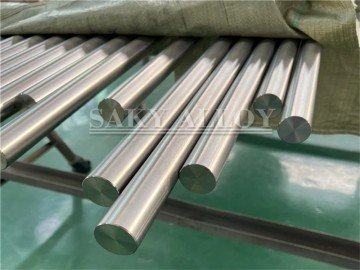
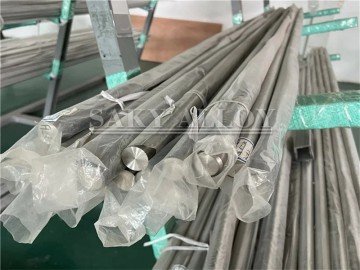
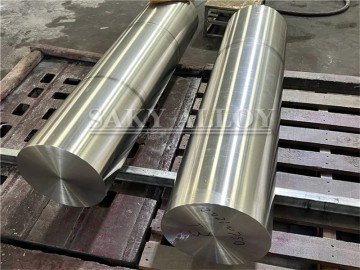
ASTM F136 Titanium Rod for Medical Implants: Grade 23 Overview
Introduction
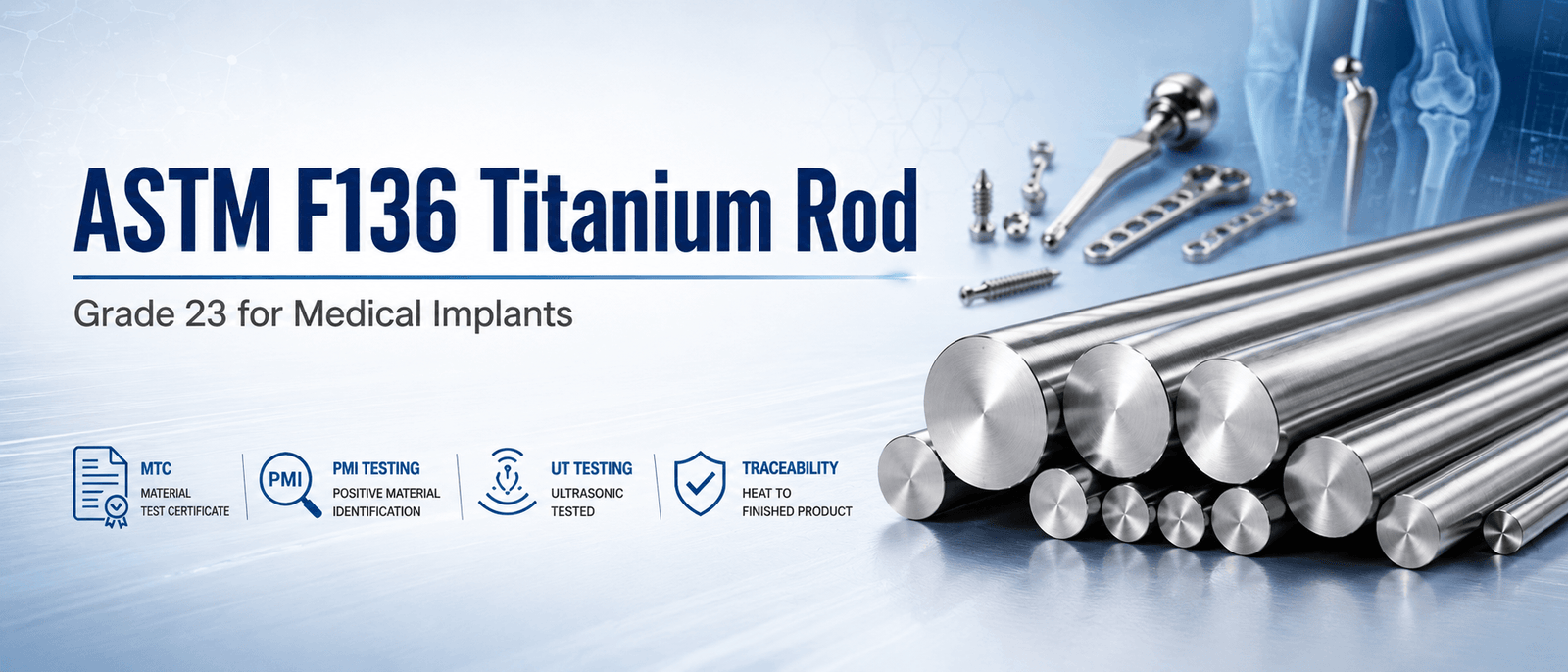
ASTM F136 Titanium Rod for Medical Implants refers to wrought Ti-6Al-4V ELI titanium alloy, commonly known as Grade 23 titanium or UNS R56407, used for medical implant components where biocompatibility, corrosion resistance, fatigue strength, toughness and strict material traceability are required. For buyers, the key specification checks include ASTM F136 standard scope, Grade 23 / Ti-6Al-4V ELI identification, chemical composition, mechanical properties, microstructure, heat number control, EN 10204 3.1 MTC, PMI testing, UT testing, surface finish, dimensional tolerance and medical-grade documentation requirements.
ASTM F136 Titanium Rod for Medical Implants is widely used for orthopedic implants, bone screws, spinal fixation parts, dental implants, surgical components, trauma plates, medical rods and precision CNC machined implant parts. Compared with standard Grade 5 Ti-6Al-4V, ASTM F136 Grade 23 has extra low interstitial content, especially lower oxygen and iron control, which helps improve ductility, fracture toughness and long-term implant reliability.
For medical material procurement, buyers should not only ask for “titanium rod” or “Grade 5 titanium”. Implant-related projects normally require ASTM F136, ISO 5832-3, UNS R56407 or Grade 23 ELI confirmation. The purchase order should clearly state grade, standard, rod diameter, length, tolerance, surface condition, condition, certificate, testing scope, packaging and delivery requirements.
What Is ASTM F136 Titanium Rod?
ASTM F136 Titanium Rod is a medical-grade titanium alloy rod made from wrought Ti-6Al-4V ELI material. ELI means “Extra Low Interstitial,” referring to stricter control of oxygen, nitrogen, carbon, hydrogen and iron. These elements strongly influence ductility, toughness and implant performance, so they must be controlled carefully for medical implant applications.
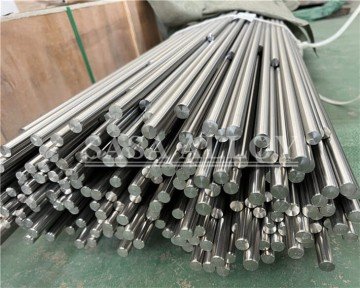
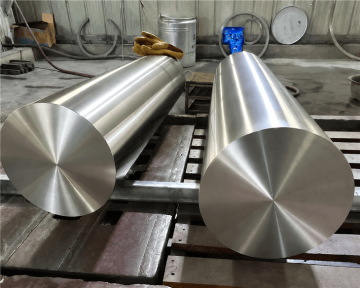
ASTM F136 is mainly used for wrought titanium-6aluminum-4vanadium ELI alloy for surgical implant applications. In actual procurement, this material may be supplied as titanium rod, titanium bar, wire, billet or machined implant blank depending on manufacturing requirements. For round rods, buyers should confirm diameter tolerance, straightness, surface roughness, ultrasonic testing and whether the material is suitable for implant machining.
Typical Product Data for ASTM F136 Titanium Rod
| Item | Details | Buyer Check |
|---|---|---|
| Material Name | ASTM F136 Titanium Rod / Grade 23 Titanium / Ti-6Al-4V ELI | Confirm Grade 23, ELI and UNS R56407 on MTC |
| UNS Number | UNS R56407 | Important for medical-grade titanium identification |
| Main Standard | ASTM F136 | Confirm whether ASTM F136, ISO 5832-3 or both are required |
| Common Product Forms | Rod, bar, wire, billet, machined blank, precision ground rod | Confirm diameter, length, tolerance, straightness and surface condition |
| Typical Applications | Bone screws, dental implants, spinal rods, trauma plates, orthopedic components | Confirm implant standard, machining process and final validation requirement |
ASTM F136 Standard Scope and Grade List
ASTM F136 covers wrought Ti-6Al-4V ELI alloy for surgical implant applications. It is different from general industrial titanium standards such as ASTM B348 for titanium bars and billets or ASTM B265 for titanium sheet and plate. For medical implants, ASTM F136 is used because it provides stricter medical-grade requirements for chemical composition, mechanical properties and implant-related material quality.
Although many titanium grades are used in industrial applications, implant buyers should be careful when comparing Grade 2, Grade 5 and Grade 23. Grade 23 is the ELI version of Ti-6Al-4V and is commonly selected for medical implant components requiring higher toughness and stricter interstitial control.
| Titanium Grade | UNS | Material Type | Typical Use |
|---|---|---|---|
| Grade 2 | R50400 | Commercially pure titanium | Medical instruments, chemical equipment and corrosion-resistant industrial parts |
| Grade 5 | R56400 | Ti-6Al-4V standard alloy | Aerospace, high-strength fasteners, shafts and general high-performance components |
| Grade 23 | R56407 | Ti-6Al-4V ELI medical-grade alloy | Medical implants, surgical components and high-reliability biomedical parts |
| Grade 4 | R50700 | High-strength commercially pure titanium | Dental implants, medical instruments and selected high-strength CP titanium parts |
Chemical Composition of ASTM F136 Grade 23 Titanium
The chemical composition of ASTM F136 titanium rod must be carefully controlled because implant materials require consistent strength, corrosion resistance and biocompatibility. Aluminum and vanadium provide strength, while oxygen, nitrogen, carbon, hydrogen and iron are strictly controlled as interstitial or residual elements. Compared with standard Grade 5, Grade 23 has lower interstitial limits to improve toughness and ductility.
| Element | Typical ASTM F136 Requirement | Function / Procurement Check |
|---|---|---|
| Titanium (Ti) | Balance | Base metal providing low density, corrosion resistance and biocompatibility |
| Aluminum (Al) | 5.50 – 6.50% | Main alpha stabilizer and strengthening element |
| Vanadium (V) | 3.50 – 4.50% | Beta stabilizer that improves strength and microstructure balance |
| Iron (Fe) | Max 0.25% | Strictly controlled for toughness and implant-grade consistency |
| Oxygen (O) | Max 0.13% | Lower oxygen is important for ELI ductility and fracture toughness |
| Carbon (C) | Max 0.08% | Controlled interstitial element affecting mechanical performance |
| Nitrogen (N) | Max 0.05% | Controlled to maintain toughness and ductility |
| Hydrogen (H) | Max 0.012% | Strict control helps reduce hydrogen embrittlement risk |
Mechanical Properties of ASTM F136 Titanium Rod
ASTM F136 Grade 23 titanium rod offers high strength, good fatigue performance, good fracture toughness and reliable biocompatibility. Mechanical properties depend on rod diameter, processing route, final condition and testing direction. Buyers should check the actual tensile strength, yield strength, elongation and reduction of area on the MTC before shipment.
| Property | Typical Reference | Procurement Note |
|---|---|---|
| Tensile Strength | High strength for implant-grade titanium alloy | Check actual value on MTC according to ASTM F136 and rod size |
| Yield Strength | Suitable for load-bearing implant components | Important for screws, plates, rods and fixation parts |
| Elongation | Improved compared with standard Grade 5 due to ELI control | Important for toughness, fatigue performance and implant reliability |
| Reduction of Area | Commonly checked for implant-grade rod material | Useful for evaluating ductility and material quality |
| Hardness | Depends on condition and processing route | Confirm if machining, wear resistance or final part control is required |
| Fatigue Performance | Good for medical implant applications when properly processed | Final implant design, machining and surface finishing also affect fatigue life |
Applicable Standards and Equivalent Grades
Medical implant titanium rods may be specified under ASTM, ISO, UNS, EN or customer-specific standards. ASTM F136 and ISO 5832-3 are commonly referenced for Ti-6Al-4V ELI implant material. General industrial Grade 5 standards should not be used as a substitute unless the project explicitly allows it.
| Standard / Grade | Description | Common Product Scope |
|---|---|---|
| ASTM F136 | Wrought Ti-6Al-4V ELI alloy for surgical implant applications | Medical titanium rod, bar, wire, billet and implant blanks where applicable |
| ISO 5832-3 | International standard for wrought titanium 6-aluminum 4-vanadium alloy for surgical implants | Medical implant raw material and surgical component manufacturing |
| UNS R56407 | UNS designation for Grade 23 Ti-6Al-4V ELI | Material identification and MTC verification |
| Grade 23 | Extra low interstitial Ti-6Al-4V titanium alloy | Medical implants, surgical rods, screws, plates and high-reliability components |
| ASTM F1472 | Standard for wrought Ti-6Al-4V alloy for surgical implant applications | Standard Grade 5-type implant material when ELI is not specified |
| ASTM B348 Grade 5 | General titanium alloy bar and billet standard for Ti-6Al-4V | Industrial and aerospace titanium bar, not automatically equivalent to ASTM F136 implant material |
Quality Testing and Material Traceability
For ASTM F136 titanium rod used in medical implants, quality testing and traceability are critical. Each batch should have clear heat number control, certificate documentation and inspection records. The heat number on rod marking, label, packing list and MTC must match. Buyers should confirm certificate type, chemical and mechanical results, surface condition, dimensional tolerance and testing requirements before shipment.
Certificate and Inspection Checklist
| Inspection / Document Item | What to Check | Why It Matters |
|---|---|---|
| EN 10204 3.1 MTC | Grade 23, ASTM F136, UNS R56407, heat number, chemical composition and mechanical properties | Confirms batch-specific quality and supports implant material documentation |
| Heat Number Control | Heat number on rod marking, label, packing list and MTC must match | Prevents mixed batches and supports full traceability from raw material to finished component |
| PMI Testing | Verify Ti base and alloying elements such as Al and V | Helps confirm correct Ti-6Al-4V ELI grade and avoid wrong material supply |
| UT Testing | Check internal soundness for rods and bars where required | Important for implant blanks, precision machining and high-reliability components |
| Dimensional Inspection | Diameter, length, straightness, roundness, tolerance and surface condition | Ensures machining accuracy and reduces material loss during implant component production |
| Surface Inspection | Check scratches, cracks, dents, pits, grinding marks, contamination and surface roughness | Medical implant machining requires clean and controlled raw material surface quality |
| Third-party Inspection | SGS, BV, TUV, Intertek or customer-appointed inspection before shipment | Provides additional confidence for export orders and medical raw material procurement |
Comparison With Similar Titanium Materials
ASTM F136 Grade 23 titanium rod is often compared with Grade 5, Grade 2, Grade 4 and CoCr alloys. The right material depends on implant type, mechanical load, biocompatibility requirement, fatigue performance, machining method, certification requirement and cost target. For implant applications, Grade 23 is often preferred over standard Grade 5 because of its ELI composition control and improved toughness.
| Material | Strength | Biocompatibility / Corrosion Resistance | Best-use Recommendation |
|---|---|---|---|
| ASTM F136 Grade 23 | High | Excellent for implant-grade titanium applications | Medical implants, orthopedic screws, spinal rods, plates and high-reliability implant components |
| Grade 5 Ti-6Al-4V | High | Good, but not ELI grade unless specified | Aerospace, high-strength fasteners and industrial components where implant ELI control is not required |
| Grade 2 Titanium | Medium | Excellent corrosion resistance | Medical instruments, dental parts, chemical equipment and lower-strength applications |
| Grade 4 Titanium | Higher than Grade 2 among CP titanium grades | Excellent | Dental implants and selected medical components requiring CP titanium with higher strength |
| CoCr Alloy | Very high | Good in many implant applications | Joint replacement and wear-resistant implant components where design requires CoCr performance |
Industrial and Medical Applications of ASTM F136 Titanium Rod
ASTM F136 titanium rod is mainly used for medical implant components that require strength, corrosion resistance and biocompatibility. It is also used by medical device manufacturers for machining implant blanks and precision surgical parts. Final application approval depends on the medical device manufacturer’s design, validation and regulatory process.
| Application Scenario | Typical Components | Why ASTM F136 Grade 23 Is Used |
|---|---|---|
| Orthopedic Implants | Bone screws, plates, rods, pins and fixation components | High strength, biocompatibility and fatigue resistance for load-bearing implant parts |
| Spinal Implants | Spinal rods, screws, connectors and fixation systems | Good strength-to-weight ratio and medical-grade titanium performance |
| Dental Implants | Implant screws, abutment blanks and precision machined dental components | Biocompatibility, corrosion resistance and machining reliability |
| Trauma Devices | Trauma plates, pins, screws, rods and fixation parts | High toughness and implant-grade material traceability |
| Surgical Instruments | Lightweight handles, precision components and special surgical parts | Low density, corrosion resistance and medical-grade cleanliness |
| Medical CNC Machining | Implant blanks, threaded rods, custom rods and precision machined parts | Controlled rod size, surface condition, UT testing and full traceability support machining quality |
Why Choose ASTM F136 Titanium Rod?
ASTM F136 Titanium Rod is chosen for medical implant applications because it combines high strength, corrosion resistance, biocompatibility, ELI composition control and internationally recognized implant material specification. For buyers, the main value is not only the titanium alloy itself, but also the documentation, traceability and controlled manufacturing process behind the material.
Material Benefits for Medical Component Buyers
| Benefit | Practical Value |
|---|---|
| Extra Low Interstitial Control | Improves ductility, toughness and implant material reliability compared with standard Ti-6Al-4V |
| High Strength-to-Weight Ratio | Suitable for screws, plates, rods and load-bearing medical components |
| Excellent Biocompatibility | Widely used in medical implant raw material supply chains |
| Good Corrosion Resistance | Supports long-term performance in biological and surgical environments |
| Traceability and Certification | EN 10204 3.1 MTC, heat number control, PMI and UT testing support quality audits and procurement acceptance |
Common Buyer Mistakes
One common mistake is ordering standard Grade 5 titanium rod when the drawing requires ASTM F136 Grade 23. Another mistake is accepting material without clear UNS R56407 identification, incomplete MTC, missing heat number, unclear surface condition or no inspection record. Buyers should also avoid assuming that all Ti-6Al-4V materials are suitable for medical implants. Implant-grade procurement requires stricter documentation and standard verification.
For medical component manufacturing, buyers should confirm whether the rod needs special surface finish, straightness, centerless grinding, ultrasonic testing, microstructure review or additional customer-specific testing before production. These requirements should be agreed before quotation and purchase order confirmation.
Surface Finish, Processing and Export Packaging
ASTM F136 titanium rod can be supplied with black surface, pickled surface, peeled surface, turned surface, ground surface, polished surface or bright finish. For medical implant machining, precision ground or polished rods are often preferred because they provide tighter tolerance, better surface quality and reduced machining allowance.
Processing services may include cutting, sawing, peeling, turning, grinding, polishing, straightening, ultrasonic testing and custom length cutting. Export packaging should protect medical-grade titanium rods from scratches, contamination, moisture and deformation. Clear labels should show grade, standard, heat number, size, quantity and destination information.
FAQ About ASTM F136 Titanium Rod
1. What is ASTM F136 titanium rod?
ASTM F136 titanium rod is a wrought Ti-6Al-4V ELI titanium alloy rod used for surgical implant applications. It is also known as Grade 23 titanium or UNS R56407. It is designed for medical implant components requiring high strength, corrosion resistance, biocompatibility and strict traceability.
2. Is ASTM F136 the same as Grade 23 titanium?
ASTM F136 specifies wrought Ti-6Al-4V ELI alloy for surgical implant applications. Grade 23 is the common titanium grade name for Ti-6Al-4V ELI, and UNS R56407 is the corresponding UNS designation. Buyers should confirm all three references when medical implant material is required.
3. What is the difference between Grade 5 and Grade 23 titanium?
Grade 5 is standard Ti-6Al-4V, while Grade 23 is Ti-6Al-4V ELI with extra low interstitial content. Grade 23 has stricter control of oxygen, iron and other interstitial elements, which improves ductility and toughness for medical implant applications.
4. What certificates should be supplied with ASTM F136 titanium rod?
Buyers should request EN 10204 3.1 MTC showing ASTM F136, Grade 23, UNS R56407, heat number, chemical composition, mechanical properties, size and delivery condition. PMI testing, UT testing, dimensional inspection and third-party inspection may also be required depending on the project.
5. Can ASTM F136 titanium rod be used directly as a medical implant?
ASTM F136 titanium rod is a medical implant raw material, but final implant use depends on the medical device manufacturer’s design, machining, surface treatment, cleaning, validation and regulatory approval process. Buyers should treat the rod as qualified raw material, not as a finished implant device.
6. How can buyers verify real ASTM F136 Grade 23 material?
Buyers should check the MTC, heat number, product marking, chemical composition, mechanical properties and UNS R56407 designation. PMI testing can confirm aluminum and vanadium content, while UT testing can check internal soundness where required.
7. What information is needed for a fast quotation?
A complete inquiry should include grade, standard, rod diameter, length, quantity, tolerance, surface finish, condition, testing requirement, certificate requirement, destination port and packing requirement. For example: ASTM F136 Grade 23 titanium rod, diameter 12 mm, length 3000 mm, ground surface, EN 10204 3.1 MTC and UT testing required.
Conclusion
ASTM F136 Titanium Rod for Medical Implants is a critical raw material for medical-grade titanium components. As Grade 23 Ti-6Al-4V ELI material, it offers high strength, corrosion resistance, biocompatibility, improved ductility and strict interstitial control. It is widely used for orthopedic implants, dental implants, spinal rods, trauma devices and precision medical machined parts.
For successful procurement, buyers should confirm ASTM F136, Grade 23, UNS R56407, ISO 5832-3 if required, rod size, tolerance, surface finish, EN 10204 3.1 MTC, heat number control, PMI testing, UT testing, dimensional inspection, packaging and delivery requirements. A professional titanium supplier should help buyers verify standards, avoid wrong-grade supply and provide reliable medical-grade titanium rod solutions.
Call To Action
Contact SAKY ALLOY for ASTM F136 Titanium Rod, Grade 23 titanium bar, UNS R56407 Ti-6Al-4V ELI rod, titanium medical implant material, titanium wire, titanium plate, titanium pipe and customized titanium alloy products. We can support EN 10204 3.1 MTC, PMI testing, UT testing, precision grinding, customized sizes, surface finish, third-party inspection, export packaging and delivery support.
Send your required grade, standard, diameter, length, quantity, surface condition and certificate requirements to our technical team. We can help you confirm ASTM F136 specifications, compare Grade 23 with other titanium grades, provide quotation and arrange suitable titanium material supply solutions for your medical component project.