
Bending Titanium Pipe Without Cracks: Expert Techniques for Success
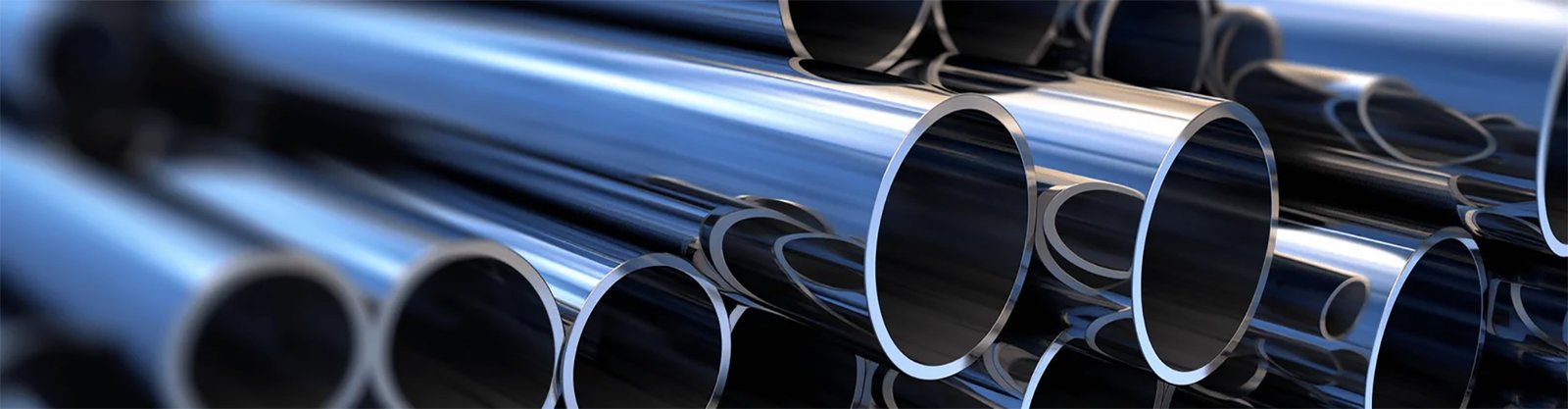
Titanium pipe is widely used in industries where strength, light weight, and corrosion resistance are essential, including aerospace, marine, chemical processing, and medical applications. However, shaping titanium pipe to fit complex system designs — especially bending it — can pose significant challenges. One of the most common issues faced by fabricators is cracking during the bending process. Understanding the right techniques, tools, and best practices is critical to achieving precise bends without compromising the integrity of the pipe. This article offers an in-depth look at bending titanium pipe without cracks, providing practical guidance to ensure success in your projects.
Why Titanium Pipe Is Challenging to Bend
Titanium’s remarkable material properties make it highly desirable but also demanding when it comes to forming operations like bending. The key challenges include:
-
High strength-to-weight ratio: Titanium pipe resists deformation, requiring greater force to achieve the desired bend.
-
Low ductility at room temperature: Especially in certain titanium grades, the metal may be prone to cracking or wrinkling if bending parameters are not optimized.
-
Elastic recovery (springback): Titanium tends to spring back significantly after bending, which makes achieving precise angles more complex.
-
Work hardening: Titanium hardens quickly when deformed, increasing the risk of cracks if the material is over-stressed during bending.
Overcoming these challenges requires careful planning and precise execution.
Key Considerations Before Bending Titanium Pipe
Before bending titanium pipe, consider the following critical factors to ensure a successful, crack-free outcome.
1. Titanium Grade and Condition
Different grades of titanium have varying levels of ductility and bendability. For example, commercially pure titanium grades (such as Grade 2) are more formable than titanium alloys like Ti-6Al-4V (Grade 5). The condition of the material — whether annealed or cold-worked — also impacts how well it will bend without cracking.
Always verify the grade and condition of the pipe, and select material with properties suitable for forming.
2. Pipe Dimensions
The diameter-to-wall thickness ratio of the titanium pipe greatly influences bendability. Thin-walled pipes are more susceptible to wrinkling or collapse during bending, while thick-walled pipes require higher forming forces that may increase the risk of cracking. A good rule of thumb is to ensure the bend radius is no less than 3–5 times the outside diameter for titanium pipe.
3. Surface Preparation
Before bending, clean the pipe thoroughly to remove any dirt, grease, or oxide layers that could contribute to surface cracking. Use appropriate cleaning agents such as acetone or alcohol, and handle the pipe with clean gloves to avoid contamination.
4. Tooling and Machinery
Use precision tooling designed for titanium or high-strength alloys. The bending equipment must provide uniform pressure and support to prevent localized stress points that could lead to cracking. Rotary draw benders, mandrel benders, or press benders with proper die sets are typically preferred.
Techniques for Bending Titanium Pipe Without Cracks
Cold Bending with Mandrel Support
Cold bending of titanium pipe is feasible for many applications if performed with the correct setup. Using an internal mandrel provides critical support to the pipe’s inner surface during bending, preventing collapse or wrinkling. Key tips:
-
Use a flexible mandrel for tight-radius bends and a rigid mandrel for larger-radius bends.
-
Apply uniform bending pressure to minimize localized stresses.
-
Account for springback by slightly over-bending the pipe to achieve the desired final angle.
Mandrel bending is often the go-to method for precision bends in titanium pipe, as it delivers excellent dimensional accuracy and surface integrity.
Hot Bending
In cases where tight-radius bends or thicker-walled pipes are involved, hot bending can reduce the risk of cracking. Heating the titanium pipe makes it more ductile and easier to shape without introducing excessive stress. Best practices for hot bending:
-
Heat the pipe uniformly to a temperature typically between 400°C and 650°C (750°F to 1200°F), depending on the titanium grade.
-
Avoid overheating, as this can alter the material’s microstructure and degrade properties.
-
Use temperature controls and ensure slow, consistent bending to prevent thermal gradients that could cause cracking.
Hot bending requires specialized equipment and expertise but offers a reliable method for forming titanium pipes with challenging specifications.
Incremental Bending
For complex or large-radius bends, incremental bending techniques can reduce the risk of cracking. Instead of applying the full bend in one pass, the pipe is gradually bent through a series of small, controlled deformations. This reduces the stress concentration at any single point and allows for closer monitoring of pipe behavior.
Controlling Springback in Titanium Pipe Bending
Titanium pipe’s elastic recovery, or springback, is greater than that of many other metals. To counteract this:
-
Over-bend the pipe beyond the desired angle to compensate for springback. The amount of over-bend required depends on the pipe size, wall thickness, and material grade.
-
Conduct test bends on scrap pieces to determine the precise springback behavior for a given setup.
-
Use CNC-controlled benders where possible for greater accuracy in achieving the target bend angle.
Avoiding Common Bending Defects
Even with proper setup, bending titanium pipe can result in defects if care is not taken. Here’s how to prevent the most common problems:
-
Cracking: Ensure adequate bend radius, use mandrel support, apply controlled force, and consider pre-heating when necessary.
-
Wrinkling or ovality: Use precision dies and internal supports, and monitor bending speed to maintain uniform deformation.
-
Surface galling: Apply appropriate lubricants compatible with titanium to reduce friction during bending.
Post-Bend Inspection and Finishing
After bending, inspect the pipe visually and dimensionally:
-
Look for surface cracks, especially on the outer radius of the bend.
-
Measure ovality and wall thinning to ensure compliance with tolerances.
-
Use non-destructive testing (such as dye penetrant inspection) for critical applications.
Where necessary, deburr or polish the bend area to remove sharp edges or surface irregularities that could act as stress concentrators in service.
The Role of sakyalloy in Titanium Pipe Forming Success
At sakyalloy, we supply titanium pipes that are produced to the highest standards of quality, with consistent material properties and tight dimensional tolerances. Our titanium products are designed to provide excellent formability, helping fabricators achieve clean, precise bends without the risk of cracking or surface defects.
sakyalloy also offers technical support for customers undertaking complex forming operations, helping them select the right material grades and providing recommendations on best practices for bending and fabrication.
Applications That Demand Precision Bending
Precision bending of titanium pipe is critical in many industries where system integrity and performance are non-negotiable:
-
Aerospace: Hydraulic, fuel, and cooling systems require titanium pipes bent to exact specifications to ensure leak-free, reliable operation.
-
Marine and offshore: Titanium piping systems for seawater service need precise bends to fit compact layouts while resisting corrosion.
-
Chemical processing: Titanium pipes carry aggressive chemicals and must be formed without defects that could lead to leaks or failure.
-
Medical equipment: Titanium tubing used in surgical and diagnostic devices demands crack-free bending for patient safety and device longevity.
Conclusion
Bending titanium pipe without cracks is achievable when the right approach, tools, and techniques are applied. By understanding titanium’s properties, selecting appropriate equipment, and following best practices — including the use of mandrels, controlled bending forces, and, when necessary, pre-heating — fabricators can create precision bends that meet the most stringent quality standards.
For titanium pipe that offers superior formability and reliable performance, trust sakyalloy as your supplier of choice. Our commitment to material excellence and customer support helps ensure that your bending operations succeed from the first bend to the last.
Whether for aerospace, marine, chemical, or medical applications, sakyalloy titanium pipe solutions provide the strength, corrosion resistance, and forming capability needed to power your most demanding projects.