
Best Practices for Titanium Pipe Welding
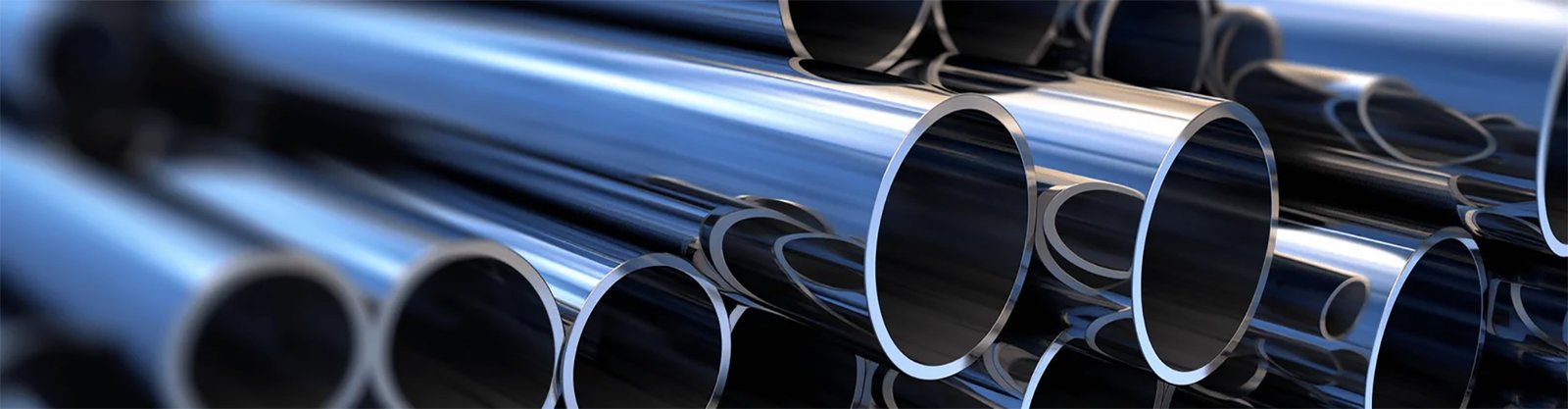
Titanium pipes are critical components in industries where corrosion resistance, strength-to-weight ratio, and long-term reliability are essential. From aerospace and marine to chemical processing and power generation, titanium pipe systems deliver exceptional performance. However, these benefits can only be realized through proper welding practices, as titanium is highly reactive at elevated temperatures.
In this article, we’ll explore best practices for titanium pipe welding, helping engineers, fabricators, and project managers achieve high-quality welds that meet industry standards and ensure long-term service life. Whether you’re working on new installations or repairs, mastering these practices is key to success.
Why Welding Titanium Pipe Requires Special Care
Unlike more common metals such as carbon steel or stainless steel, titanium reacts readily with oxygen, nitrogen, and hydrogen at high temperatures. If these elements contaminate the weld area, the result can be:
-
Embrittlement, leading to reduced ductility and increased cracking risk
-
Porosity and inclusions that compromise strength
-
Premature corrosion in service
This is why titanium pipe welding demands stringent attention to cleanliness, shielding, and process control. Companies like sakyalloy supply high-purity titanium pipes and offer guidance to ensure their proper joining in critical applications.
Key Principles of Titanium Pipe Welding
1. Maintain Absolute Cleanliness
Contamination is the number one enemy in titanium welding. Before and during welding:
-
Clean the weld zone thoroughly using acetone or approved solvents.
-
Remove all traces of oil, grease, and dirt.
-
Use dedicated titanium wire brushes for mechanical cleaning — never brushes used on other metals.
-
Handle parts with clean gloves to prevent sweat or oil contamination.
Even tiny particles of foreign metals can cause weld defects.
2. Use High-Purity Shielding Gas
Titanium must be protected from air during welding and as it cools. Best practices include:
-
Use high-purity argon gas (99.999%) or argon-helium mixes for specific procedures.
-
Employ a primary torch shielding gas, trailing shields, and purge gas inside the pipe (for root protection).
-
Maintain gas flow until the weld cools below 400°C (750°F) to prevent discoloration and oxidation.
If welds display colors other than straw or silver, contamination has likely occurred.
3. Employ Qualified Welding Procedures and Personnel
Titanium pipe welding should be done by:
-
Welders certified to procedures that meet project and industry standards (e.g., AWS D1.9, ASME Section IX).
-
Personnel trained specifically in titanium welding best practices.
Proper procedures specify:
-
Joint preparation details
-
Filler metal type
-
Shielding gas purity and flow rates
-
Welding parameters (current, voltage, travel speed)
4. Precise Joint Fit-Up
Good fit-up minimizes gaps and misalignment, reducing weld defects. Ensure:
-
Pipes are cut squarely and beveled as specified.
-
Root gaps are controlled (typically 1-1.5 mm depending on pipe size and wall thickness).
-
Alignment fixtures or clamps are titanium-compatible to avoid contamination.
5. Use the Correct Filler Metal
Match filler metal to base material grade for optimal mechanical properties and corrosion resistance. Common choices include:
-
ERTi-2 for commercially pure titanium pipes
-
ERTi-5 for Ti-6Al-4V alloy pipes
Verify certifications of all filler materials before use.
6. Control Heat Input
Titanium is a poor heat conductor. Excessive heat input can:
-
Increase distortion
-
Promote contamination
-
Create a coarse grain structure, weakening the weld
Best practices:
-
Use lower current and voltage settings than for steel of similar thickness.
-
Employ stringer beads rather than weave patterns.
-
Keep arc length as short as possible.
7. Purge Effectively
When welding titanium pipes, protect the inner root with purge gas:
-
Seal the ends of the pipe section with purge dams or inflatable plugs.
-
Fill the interior with high-purity argon until oxygen levels are below 50 ppm (some specifications require even lower).
-
Maintain purge flow during the entire weld and cool-down cycle.
A poor purge can result in root contamination and failure.
Titanium Pipe Welding Sequence
A recommended sequence for titanium pipe welding includes:
-
Preparation: Clean materials, set up shielding and purge systems, check equipment.
-
Tack welding: Place evenly spaced tacks under shielding gas protection.
-
Welding: Complete root pass with continuous shielding and purging.
-
Fill and cap passes: Apply additional passes as needed, maintaining gas protection.
-
Inspection and cleaning: Remove discoloration mechanically (without contaminating material), inspect for defects.
Non-Destructive Testing (NDT) of Titanium Welds
Quality welds are verified through NDT methods such as:
-
Dye penetrant testing: Detects surface cracks and porosity.
-
Ultrasonic testing (UT): Identifies internal flaws.
-
Radiographic testing (RT): Provides a visual record of internal weld integrity.
OEMs and critical applications often require documented NDT reports as part of quality assurance.
Post-Weld Treatment
While titanium welds generally do not require post-weld heat treatment, additional steps help ensure longevity:
-
Remove oxide layers or discoloration mechanically.
-
Clean thoroughly with approved solvents.
-
Protect finished welds from contamination during handling and storage.
Common Pitfalls to Avoid in Titanium Pipe Welding
-
Inadequate gas shielding, leading to weld discoloration and embrittlement.
-
Cross-contamination from steel tools, brushes, or clamps.
-
Poor purge control, resulting in root defects.
-
Excessive heat input, causing distortion and weakened joints.
-
Insufficient welder training, leading to inconsistent quality.
By adhering to best practices and working with reliable suppliers like sakyalloy, these issues can be avoided.
Advantages of Following Best Practices
By implementing these welding best practices, you can expect:
-
High-integrity welds with optimal mechanical properties.
-
Consistent corrosion resistance in harsh environments.
-
Reduced risk of failures and rework, saving time and cost.
-
Compliance with international standards, ensuring acceptance for critical applications.
Conclusion
Titanium pipe welding demands more than just technical skill — it requires commitment to cleanliness, precision, and process discipline. From material preparation to shielding and inspection, every step plays a vital role in ensuring the weld’s performance in service.
Partnering with experienced suppliers like sakyalloy provides not only high-quality titanium pipes and filler materials but also valuable guidance on best practices and standards. By following these principles, fabricators and contractors can achieve safe, efficient, and durable titanium piping systems for even the most demanding applications.