
Can You Weld Titanium Pipe at Home?
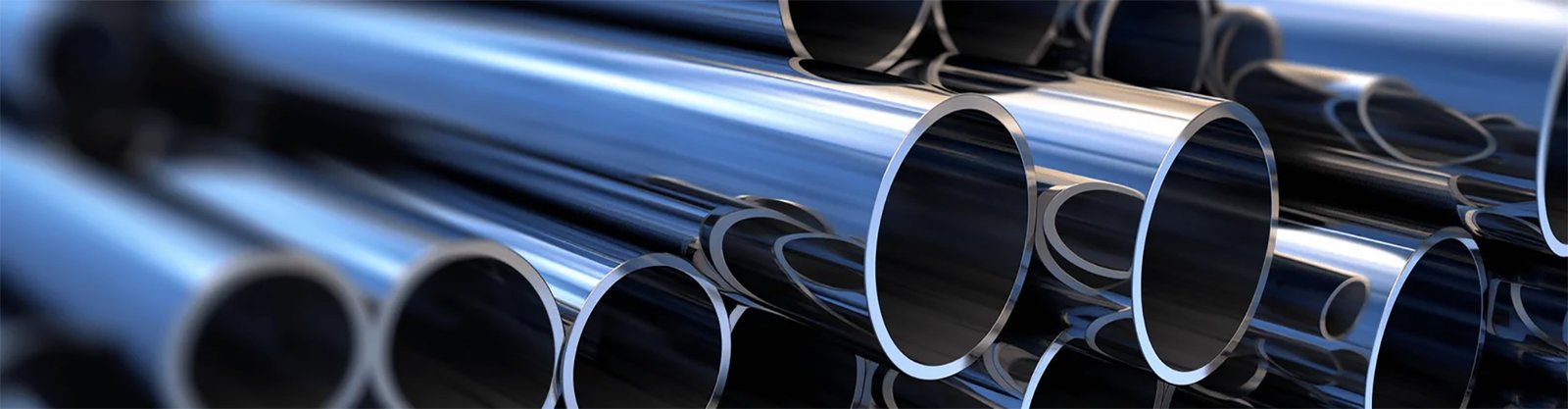
Titanium is one of the most desirable metals in modern industry due to its exceptional strength, corrosion resistance, and light weight. It is used in aerospace, chemical processing, marine applications, and high-performance automotive systems. But as titanium pipe becomes more accessible, hobbyists and small-scale fabricators often ask the question can you weld titanium pipe at home
This article explores the possibilities and challenges of welding titanium pipe in a home or workshop setting. We will cover the technical requirements, equipment considerations, environmental controls, and whether it is a realistic goal for nonindustrial users. If you are working with titanium materials or considering small-scale fabrication at home, understanding the complexity of titanium welding is essential
Understanding Titanium and Its Welding Behavior
Titanium is a reactive metal. While it is highly resistant to corrosion once formed into a solid part, its surface becomes extremely reactive at high temperatures. During welding, the heat from the arc causes the titanium to lose its protective oxide layer, exposing bare metal that easily reacts with oxygen, nitrogen, and hydrogen in the air
These gases cause embrittlement and oxidation, turning the metal brittle, discolored, and structurally weak. This is why welding titanium requires extremely clean and controlled environments with proper shielding during the entire weld and cooling process
Can You Weld Titanium Pipe at Home Technically Yes But with Caution
In theory, yes, it is possible to weld titanium pipe at home. However, doing it correctly requires more than just a standard TIG welder. You must recreate the professional conditions required to avoid contamination and ensure weld integrity
Let us break it down
Equipment Required to Weld Titanium Pipe
To successfully weld titanium pipe at home, the following equipment is essential
High quality TIG welder with adjustable amperage
Argon gas supply with high purity minimum 9999 percent pure
Gas regulator and flowmeter
Gas lens with proper ceramic cup and trailing shield
Titanium filler rod matching the base material
Weld backing system purge chamber or backup argon shield
Stainless steel or titanium wire brush exclusively for titanium cleaning
Protective gear and a clean work surface free of contaminants
Standard home TIG welders may not provide precise enough control, and many do not come with trailing shields or large enough gas cups to shield the weld properly
Preparing the Titanium Pipe for Welding
Cleanliness is absolutely critical. Any oil, moisture, dirt, or dust can compromise the weld
Wipe the titanium pipe thoroughly with acetone to remove grease or residue
Use a dedicated brush that has never touched carbon steel or aluminum
Avoid touching the cleaned surface with bare hands
Fit the pipe tightly and ensure full argon shielding is possible
Any contamination, even from a fingerprint, can cause weld failure
Creating a Proper Welding Environment at Home
The biggest challenge of home welding titanium is creating an inert gas environment. In a professional setting, welders use argon chambers or gloveboxes to shield the part entirely from air. At home, this is difficult but not impossible
You must ensure
A continuous argon flow around the weld area before, during, and after welding
Use of a trailing shield to protect the cooling weld
Proper purging of the inside of the pipe with argon
Minimized air movement or drafts in the workspace
Some home fabricators build DIY argon boxes or use purge dams to fill enclosed spaces with argon gas. While not perfect, these methods can reduce exposure to oxygen
Challenges and Limitations
While possible, welding titanium pipe at home presents serious limitations
Shielding gas consumption is high and expensive
Equipment costs can exceed standard home welding budgets
Weld quality may still fall below industry standards
Postweld inspection is limited without Xray or dye penetrant testing
Titanium filler rods and tools are not widely available in hardware stores
Even minor mistakes can render the weld brittle and unusable
If the titanium pipe is used in loadbearing or pressurized systems such as exhausts hydraulic lines or chemical tubing then professional welding is strongly recommended
Alternatives for Home Projects
If your project does not involve high stress or safetycritical applications and you want the aesthetic or corrosionresistant benefits of titanium you can consider these options
Purchase prefabricated titanium pipe fittings and have them professionally welded
Use mechanical fittings or flanges that require no welding
Tack weld small nonstructural parts under controlled test conditions
Experiment with scrap titanium to practice and understand weld behavior before committing to actual projects
When to Leave It to the Professionals
Certain titanium pipe applications should never be attempted at home including
High pressure fluid transport
Structural aerospace or automotive components
Chemical handling and reactors
Subsea or marine pipelines
Medical equipment and surgical devices
In these cases precision control certification and postweld inspection are required. Professional titanium welding services like those offered by sakyalloy are equipped with the technology and expertise to deliver flawless results
How sakyalloy Supports Titanium Pipe Welding Projects
As a trusted titanium pipe supplier and fabrication partner sakyalloy provides
Certified titanium pipes and fittings in grades such as Grade 2 Grade 5 and Grade 7
Custom cutting welding and forming services performed by trained professionals
Guidance on material selection for weldability and longterm performance
Reliable delivery and quality control for both small and large volume orders
Whether you are prototyping a titanium-based project or outfitting an industrial plant sakyalloy delivers precision and peace of mind from start to finish
Conclusion
So can you weld titanium pipe at home Yes you can but with major caveats
Titanium welding is not like welding steel or even aluminum. It demands absolute cleanliness precise shielding and strict control over the welding environment. For experienced welders with the right tools and patience titanium welding can be done at home for noncritical applications
However for any structural or pressure bearing system or if failure is not an option it is always better to rely on professionals like sakyalloy who can guarantee weld integrity and product performance
Understanding the risks and requirements of titanium welding is the first step toward making informed decisions whether you are building at home or specifying for an advanced project