
Challenges in Global Titanium Pipe Supply Chain
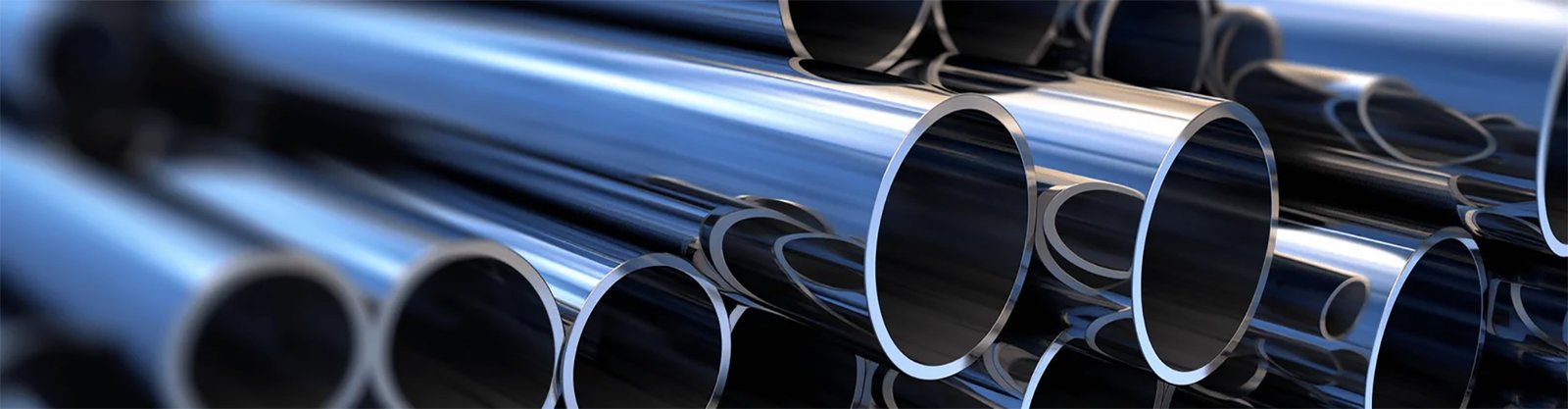
Titanium pipe plays a vital role in industries where strength, corrosion resistance, and reliability are essential. Applications span aerospace, marine engineering, chemical processing, power generation, medical equipment, and emerging clean energy sectors. As global demand for high-performance materials grows, ensuring a steady and reliable supply of titanium pipe has become increasingly complex. This article examines the key challenges in global titanium pipe supply chain, how these issues affect industries, and how trusted suppliers like sakyalloy help customers navigate this dynamic environment.
Overview of the Titanium Pipe Supply Chain
The titanium pipe supply chain is a multi-stage process that includes:
-
Mining of titanium-bearing minerals such as rutile and ilmenite.
-
Production of titanium sponge, the raw form of purified titanium.
-
Melting and alloying to create titanium billets or ingots.
-
Pipe manufacturing through extrusion, forging, or seamless tube production.
-
Finishing processes like heat treatment, machining, and testing.
-
Distribution to end-users worldwide.
Each stage depends on specialized equipment, expertise, and stable logistics, making the titanium pipe supply chain sensitive to disruption.
Key Challenges in the Global Titanium Pipe Supply Chain
1. Raw Material Availability
Titanium sponge production relies on mining operations concentrated in specific regions such as China, Russia, Japan, and Kazakhstan. Factors affecting raw material availability include:
-
Geopolitical tensions that limit exports or affect trade agreements.
-
Environmental regulations that restrict mining or processing activities.
-
Fluctuating demand from major consumers, particularly aerospace and defense sectors.
These issues can create bottlenecks in sponge availability, impacting downstream titanium pipe production.
2. Price Volatility
The titanium market is sensitive to global economic conditions, fuel prices, and raw material costs. Price volatility can result from:
-
Supply-demand imbalances caused by sudden increases in large-scale project orders.
-
Shifts in aerospace or energy sector procurement strategies.
-
Currency fluctuations affecting international trade.
For buyers, this makes budgeting for titanium pipe projects more complex and increases the need for reliable procurement planning.
3. Processing Capacity Constraints
Titanium pipe manufacturing requires specialized equipment and skilled labor. Challenges include:
-
Limited global capacity for seamless titanium pipe production, especially in larger diameters and custom grades.
-
Long lead times caused by high demand and capacity bottlenecks at mills.
-
Maintenance and upgrades of production facilities, which can temporarily reduce output.
This can lead to extended delivery times and difficulty securing material for time-sensitive projects.
4. Logistics and Transportation Disruptions
Titanium pipes are high-value, precision products that require careful handling and reliable transport. The global supply chain faces:
-
Port congestion, shipping delays, and container shortages.
-
Increased freight costs due to fuel price hikes and carrier capacity constraints.
-
Customs and regulatory delays when shipping across borders.
Logistics challenges can add weeks or months to lead times, particularly for large or custom orders.
5. Quality Assurance and Certification Requirements
Industries using titanium pipes often require stringent quality assurance, including:
-
Compliance with ASTM, ASME, ISO, and other standards.
-
Full traceability of material origin and production records.
-
Extensive testing and certification.
Meeting these requirements adds complexity to the supply chain, and delays in documentation or inspection can slow delivery.
Impact on End-User Industries
Supply chain challenges for titanium pipes affect multiple sectors:
-
Aerospace and defense: Disruptions can delay aircraft or defense system production.
-
Chemical and petrochemical plants: Project schedules may slip, affecting capacity expansion or maintenance turnarounds.
-
Marine and offshore engineering: Supply chain issues can slow offshore wind, oil, and gas projects.
-
Clean energy: Hydrogen and solar-related projects may face delays or increased costs.
How Companies Are Mitigating Supply Chain Challenges
Diversifying Supply Sources
Buyers are increasingly working with multiple suppliers and sourcing materials from different regions to reduce dependence on any single source of titanium.
Building Inventory Buffers
Some industries are increasing stock levels of critical materials like titanium pipe to hedge against supply chain delays.
Long-Term Supplier Partnerships
Forming strong relationships with suppliers ensures priority access to limited production capacity and helps secure better pricing and delivery terms.
Advanced Planning
Project managers are incorporating longer lead times into schedules and placing orders well in advance to account for potential disruptions.
The Role of Trusted Suppliers
In a complex and evolving supply chain, working with experienced, reliable suppliers is critical. sakyalloy helps customers manage titanium pipe supply chain challenges by:
-
Providing certified titanium pipes that meet international standards and customer specifications.
-
Offering full traceability and documentation, supporting regulatory compliance and quality assurance.
-
Maintaining strong relationships with mills and logistics partners to secure production slots and manage transportation risks.
-
Delivering technical support on material selection, fabrication, and maintenance, helping customers reduce risks and optimize performance.
By partnering with sakyalloy, customers gain a strategic advantage in navigating supply chain complexity.
Future Outlook
The titanium pipe supply chain will likely continue to face challenges through 2025 and beyond, but several positive trends may help:
-
Investments in new mining and sponge production capacity could improve raw material availability.
-
Technological innovations in titanium processing may reduce costs and expand capacity.
-
Greater supply chain transparency and digitalization can improve planning and reduce delays.
End users who plan proactively and align with experienced suppliers will be best positioned to manage these challenges successfully.
Conclusion
The challenges in global titanium pipe supply chain are shaped by geopolitical, economic, technical, and logistical factors. While these challenges create complexity and risk for industries relying on titanium piping solutions, they also present opportunities for companies that plan ahead, build strong supplier relationships, and prioritize quality and reliability.
By partnering with suppliers like sakyalloy, customers can secure high-quality titanium pipes backed by technical expertise, documentation, and logistical support — ensuring that their projects stay on track even in the face of supply chain uncertainty.