
Cleaning and Sanitizing Titanium Pipe Systems
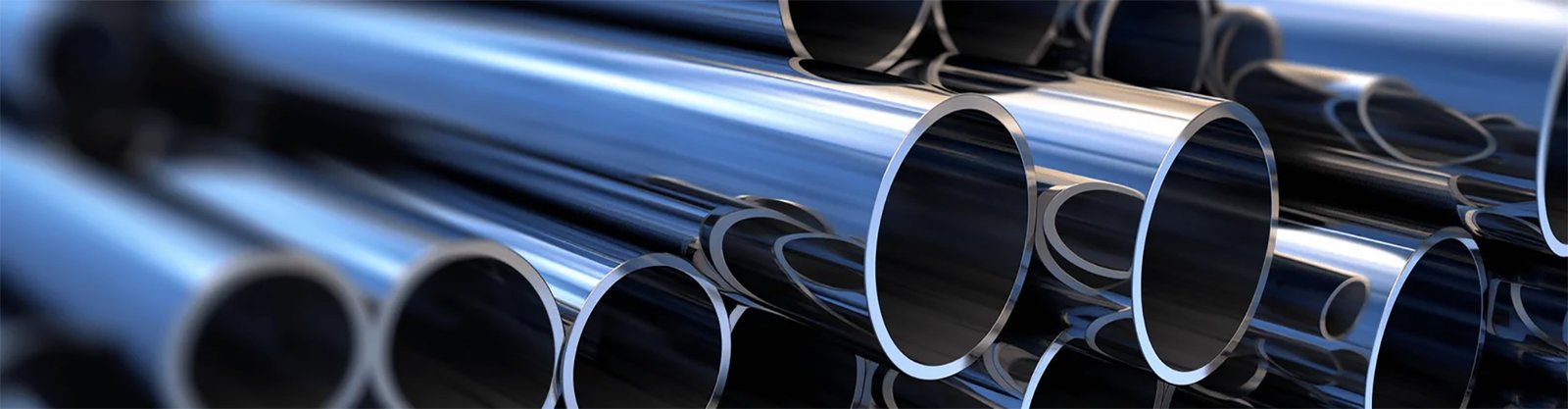
Titanium pipe systems are widely used in industries such as chemical processing, marine engineering, aerospace, power generation, and even food and pharmaceutical production. These systems are valued for their exceptional corrosion resistance, high strength-to-weight ratio, and longevity. However, to maintain their superior performance and ensure compliance with health, safety, and operational standards, cleaning and sanitizing titanium pipe systems is critical.
In this article, we will explore why cleaning and sanitizing titanium pipes is necessary, recommended methods, best practices, and how working with trusted suppliers like sakyalloy helps ensure you start with high-quality, easy-to-maintain materials.
Why Cleaning and Sanitizing Titanium Pipe Systems Is Important
Even though titanium is highly resistant to corrosion and biofouling, regular cleaning and sanitization provide several key benefits:
-
Prevention of contamination in sensitive applications such as pharmaceutical and food production.
-
Protection of pipe integrity by removing deposits that could contribute to crevice corrosion over time.
-
Maximization of heat transfer efficiency in systems like heat exchangers, where fouling can reduce performance.
-
Compliance with industry standards and regulations, especially in critical or sanitary environments.
-
Extension of service life by maintaining clean, unobstructed flow paths.
Without proper maintenance, even titanium pipes can suffer from localized issues that compromise performance and safety.
Common Contaminants in Titanium Pipe Systems
Depending on the industry and operating environment, titanium pipes may accumulate:
-
Mineral scale from hard water.
-
Organic biofilms in marine or water treatment applications.
-
Chemical residues in processing systems.
-
Dust and debris during installation or maintenance.
-
Welding residues or oxides from fabrication or repairs.
Each of these contaminants requires targeted cleaning techniques to ensure thorough removal without damaging the titanium surface.
Recommended Cleaning Methods
Mechanical Cleaning
Mechanical cleaning involves physical removal of deposits:
-
Soft brushes and non-metallic scrapers can be used to dislodge loose debris and biofilms.
-
Pigging (pipe cleaning with projectiles) may be used for long, straight pipe runs.
Care should be taken to avoid abrasive tools that could scratch the titanium’s protective oxide layer.
Chemical Cleaning
Chemical cleaning solutions can dissolve or loosen deposits:
-
Mild acid solutions (such as citric acid or diluted nitric acid) are effective for removing mineral scale without harming titanium.
-
Alkaline cleaners may be used to remove organic residues or light oils.
-
Cleaning agents should be chosen carefully to ensure compatibility with titanium and to prevent undesired reactions.
All chemical cleaning should be followed by thorough rinsing with clean water to remove residues.
High-Pressure Water Jetting
In some industrial applications, high-pressure water jetting (hydroblasting) can effectively clean internal pipe surfaces:
-
This method removes scale, biofilms, and loose corrosion products without introducing chemicals.
-
Pressure levels should be controlled to avoid damaging thin-walled pipes or delicate system components.
Sanitization Procedures
For systems requiring sterile or hygienic conditions:
-
Hot water or steam flushing can sanitize titanium pipes in food, beverage, or pharmaceutical applications.
-
Chemical sanitizers, such as peracetic acid or hydrogen peroxide solutions, may be used where permitted.
These methods help ensure compliance with sanitary standards while preserving titanium’s integrity.
Best Practices for Cleaning and Sanitizing Titanium Pipe Systems
1. Use Compatible Cleaning Agents
Avoid cleaners that contain halides (such as chlorides or fluorides), as these can attack titanium under certain conditions. Stick to cleaning chemicals recommended for titanium systems.
2. Protect the Oxide Layer
Titanium’s corrosion resistance depends on its natural oxide film. Cleaning processes should preserve this layer. Avoid abrasive cleaning tools or aggressive chemicals that might strip it away.
3. Rinse Thoroughly
After cleaning or sanitizing, flush the system with clean water (preferably deionized or distilled in sensitive applications) to remove all chemical residues.
4. Inspect After Cleaning
Visually inspect or use borescopes to confirm that cleaning was effective and that no damage occurred during the process.
5. Document Cleaning Procedures
Record details of cleaning agents used, concentrations, contact times, rinsing procedures, and inspection results. This documentation supports regulatory compliance and maintenance planning.
Cleaning Considerations in Different Industries
Chemical Processing
Titanium pipes in chemical plants may handle aggressive fluids. Cleaning focuses on removing residual chemicals that could react with process fluids or accumulate in crevices.
Marine Applications
Marine environments promote biofouling. Regular cleaning prevents buildup of marine organisms and salt deposits that could affect performance or flow.
Food and Beverage Processing
Here, cleaning and sanitization ensure product purity. Systems must be cleaned and sanitized according to stringent standards without introducing harmful residues.
Pharmaceutical Systems
Titanium piping in pharmaceutical facilities requires validated cleaning protocols to ensure no contamination or residue that could affect product safety.
Preventing Contamination and Fouling
While cleaning and sanitization are essential, prevention is equally important:
-
Design pipe systems to minimize dead legs and crevices where deposits accumulate.
-
Use proper isolation techniques to prevent galvanic corrosion at connections with dissimilar metals.
-
Source titanium pipes from suppliers like sakyalloy, who provide smooth-surfaced, high-quality piping that resists fouling and simplifies cleaning.
The Role of a Trusted Supplier
Starting with the right material makes cleaning and sanitization easier and more effective. sakyalloy provides:
-
Titanium pipe with certified surface finish and quality, helping minimize fouling potential.
-
Technical guidance on cleaning-compatible grades and recommended maintenance practices.
-
Full traceability and compliance documentation to support critical applications.
Sourcing premium materials from sakyalloy gives operators confidence that their systems are built for longevity and easy maintenance.
Conclusion
Cleaning and sanitizing titanium pipe systems is crucial for preserving performance, protecting product purity, and meeting industry standards. By choosing the right cleaning methods, following best practices, and working with experienced suppliers like sakyalloy, operators can ensure their titanium piping systems deliver safe, efficient, and reliable service for years to come.
Whether in chemical plants, marine vessels, food production, or pharmaceutical facilities, proactive maintenance of titanium pipes pays off in system integrity, compliance, and long-term value.