
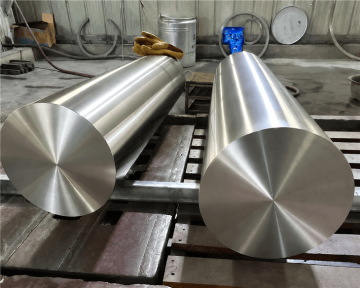
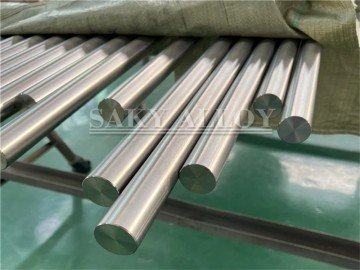
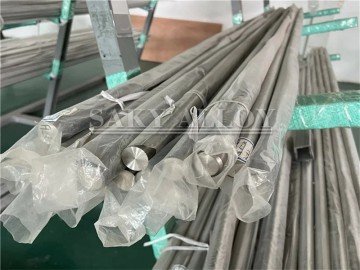
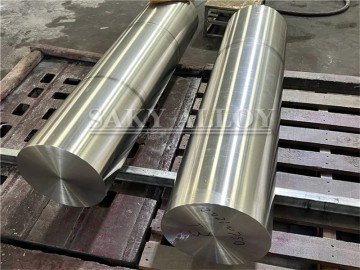
Comparing Grade 11 and Grade 7 Titanium Bars for Corrosion-Resistant Systems
In modern engineering, the need for materials that can withstand harsh, corrosive, and unpredictable operating environments continues to increase. Industries such as offshore oil and gas, chemical processing, desalination, aerospace, and marine engineering rely heavily on titanium alloys because of their outstanding strength to weight ratio and their remarkable resistance to corrosion. Among the many available titanium grades, Grade 11 and Grade 7 are two of the most trusted choices for applications where corrosion resistance is the primary concern. Although they share several characteristics, these grades are optimized for different conditions, making it important for engineers and procurement specialists to choose the correct material.
This news feature provides an in depth comparison of Grade 11 Titanium Bars and Grade 7 Titanium Bars, including their chemistry, properties, advantages, and typical industry applications. The goal is to guide buyers and designers toward the most suitable option for long term reliability and performance in corrosion resistant systems, with insights supported by practical use cases and manufacturing experience from global suppliers such as sakyalloy.
Understanding Titanium Grade 11 and Grade 7: What Makes Them Different
Titanium Grade 11 and Grade 7 belong to the family of commercially pure titanium alloys, but they contain small additions of palladium which significantly enhances corrosion resistance. Despite their similarities, each grade is engineered with different levels of palladium and mechanical characteristics, which influences where and how they should be used.
Titanium Grade 11: Enhanced Corrosion Resistance with Ductility
Titanium Grade 11 is essentially an improved version of Grade 1, strengthened with a precise addition of palladium. This combination provides excellent corrosion resistance, especially in low pH environments, and maintains the ductility and formability that Grade 1 is known for.
Key characteristics include:
-
Exceptional resistance to crevice corrosion and pitting
-
Very good weldability and formability
-
Suitable for environments containing chlorides and acids
-
Ideal for equipment requiring easy fabrication and shaping
Titanium Grade 7: One of the Most Corrosion-Resistant Titanium Alloys Available
Titanium Grade 7, based on the chemical structure of Grade 2, also contains palladium but in a slightly different alloy balance. It is widely recognized as one of the most corrosion resistant titanium alloys commercially available.
Key characteristics include:
-
Outstanding durability against reducing and oxidizing acids
-
High corrosion resistance across a wide temperature range
-
Excellent strength and toughness compared to Grades 1 and 11
-
Remarkable performance in environments containing chlorine, seawater, and oxidizing chemicals
For industries requiring maximum corrosion resistance without compromising mechanical stability, Titanium Grade 7 is often the preferred choice, supported by extensive industrial data and usage cases from suppliers like sakyalloy.
Chemical Composition Comparison
Although both grades contain palladium, the slight variations in purity and alloying balance influence their performance.
Titanium Grade 11 Composition
-
Titanium: balance
-
Palladium: minimum 0.05 percent
-
Oxygen: maximum 0.18 percent
-
Iron: maximum 0.20 percent
-
Other trace elements, each below 0.1 percent
Titanium Grade 7 Composition
-
Titanium: balance
-
Palladium: minimum 0.12 percent
-
Oxygen: maximum 0.25 percent
-
Iron: maximum 0.30 percent
The increase in palladium content in Grade 7 is the primary factor that enhances corrosion resistance, especially in environments containing strong acids or fluctuating temperature conditions.
Mechanical Properties Comparison
While both alloys are corrosion resistant, their mechanical performance differs slightly.
Titanium Grade 11 Mechanical Properties
-
Tensile Strength: ~240 MPa minimum
-
Yield Strength: ~170 MPa minimum
-
Elongation: ~24 percent typical
-
Density: 4.51 g per cubic centimeter
Grade 11 is softer and more ductile, making it ideal for forming, bending, and welding.
Titanium Grade 7 Mechanical Properties
-
Tensile Strength: ~345 MPa minimum
-
Yield Strength: ~275 MPa minimum
-
Elongation: ~20 percent typical
-
Density: 4.51 g per cubic centimeter
Grade 7 demonstrates higher mechanical strength while maintaining excellent formability and fatigue resistance.
Corrosion Resistance: The Most Important Factor
Performance in Seawater
Both Grade 11 and Grade 7 are suitable for marine environments. However, Grade 7 offers long term stability even in warm, turbulent, or polluted seawater.
Resistance to Chlorine and Chlorides
Grade 7 clearly outperforms Grade 11 in systems where chlorine exposure is severe or frequent, such as chlorinated water systems, swimming pool equipment, and chemical processing plants.
Performance in Reducing Acids
Titanium Grade 7 has far superior resistance to reducing acids including:
-
Hydrochloric acid
-
Sulfuric acid
-
Phosphoric acid
Grade 11 performs well but is better suited for environments where the acid concentration is mild or where pH may fluctuate.
Crevice and Pitting Corrosion
Both alloys offer exceptional crevice corrosion resistance due to palladium activation, but Grade 7 can withstand more aggressive conditions.
Applications of Titanium Grade 11 Bars
Because of its softness and exceptional corrosion resistance, Grade 11 is widely used in:
-
Heat exchangers requiring easy fabrication
-
Desalination plant tubing
-
Marine components exposed to mild to moderate corrosive environments
-
Chemical processing systems with low intensity acids
-
Cathodic protection systems
-
Low pressure vessel parts
Its excellent formability makes it suitable for complex shapes and welded assemblies.
Applications of Titanium Grade 7 Bars
Because it offers some of the best corrosion resistance among titanium grades, Grade 7 is preferred for:
-
Severe chemical processing equipment
-
High temperature and high pressure systems
-
Power generation condensers and chloride rich environments
-
Offshore platforms and seawater injection systems
-
Oil and gas refineries requiring high corrosion tolerance
-
Heat exchangers handling aggressive process fluids
-
Desalination and brine concentration plants
Systems expected to face long term chloride exposure or fluctuating chemical conditions typically benefit more from Grade 7.
Choosing the Right Alloy: Grade 11 or Grade 7
Choose Titanium Grade 11 if:
-
You require excellent formability and weldability
-
The system handles low to moderate corrosive media
-
Fabrication complexity is high
-
Cost efficiency is a major factor
-
Mechanical strength demands are moderate
Grade 11 is widely used when a balance of cost, corrosion resistance, and manufacturability is needed.
Choose Titanium Grade 7 if:
-
The system involves strong acids or high chloride levels
-
Conditions fluctuate between oxidizing and reducing environments
-
High strength and long term durability are required
-
Temperature variations are significant
-
Failure due to corrosion is unacceptable
Grade 7 is considered one of the strongest solutions for severe corrosion resistant systems across multiple industries.
Cost Comparison and Procurement Considerations
Since both Titanium Grade 11 and Grade 7 contain palladium, their price is higher than standard commercially pure titanium grades. Grade 7 typically costs more due to its higher palladium content. Buyers should consider:
-
Expected service life
-
Level of corrosive exposure
-
Fabrication requirements
-
Long term maintenance costs
-
Regulatory standards and certifications required
Many industries find that choosing Grade 7, even at a slightly higher upfront cost, significantly reduces total lifecycle cost by eliminating failures or premature replacement.
Conclusion: Which Titanium Grade Should You Choose?
Titanium Grade 11 and Grade 7 are both exceptional options for corrosion resistant systems, but their suitability depends on the specific operating environment and performance expectations. Grade 11 is ideal for general corrosion resistance with excellent formability and cost efficiency. Grade 7, on the other hand, provides superior durability in aggressive chemical conditions, making it the preferred choice where long term system integrity is critical.
Whether you are constructing a heat exchanger, designing desalination equipment, or sourcing materials for offshore applications, understanding the differences between these two titanium alloys ensures optimal engineering results.