
Comparing Titanium Bar and Nickel Bar: Applications and Performance
In demanding industrial environments where strength, corrosion resistance, and heat tolerance are essential, material selection can determine the success and longevity of a project. Titanium bars and nickel bars are two high-performance metal materials widely used in aerospace, chemical processing, marine engineering, and medical devices. While both metals offer impressive performance in harsh conditions, they differ significantly in their properties, cost, and applications.
In this comprehensive SEO article, we will compare titanium bar and nickel bar across multiple factors, including mechanical properties, corrosion resistance, application scope, and cost-effectiveness. If you’re seeking to choose the best material for your project, this guide provides valuable insights.
This article is brought to you by sakyalloy, a trusted supplier of high-quality titanium and nickel alloy bars for global industrial use.
Overview: What Are Titanium Bars and Nickel Bars?
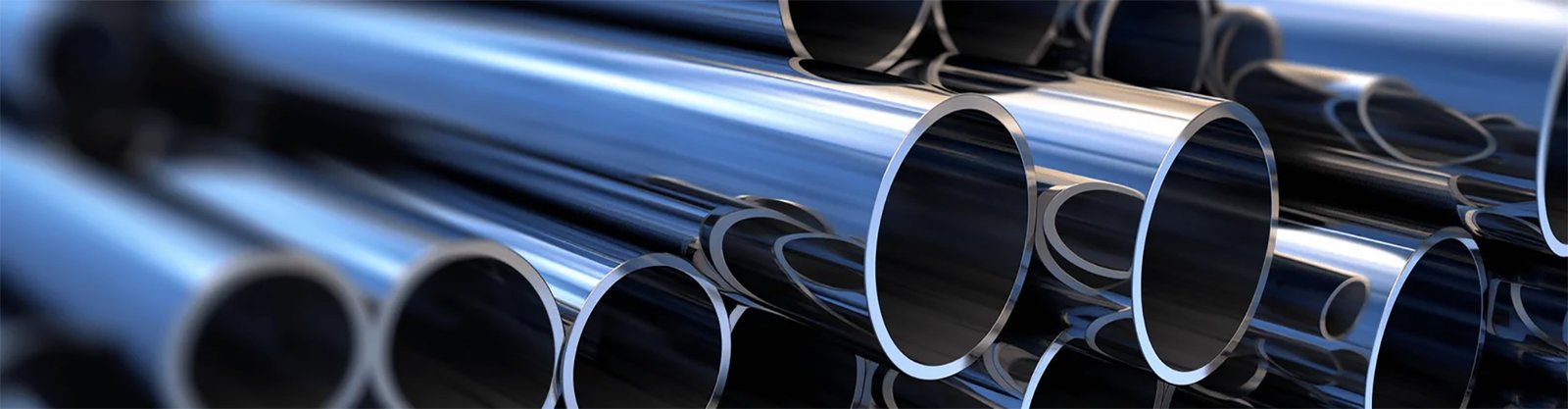
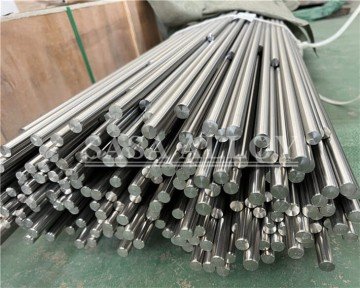
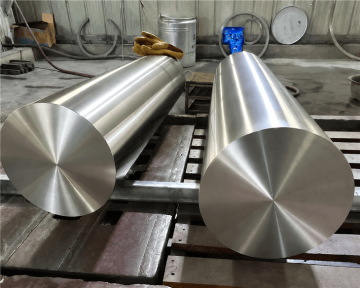
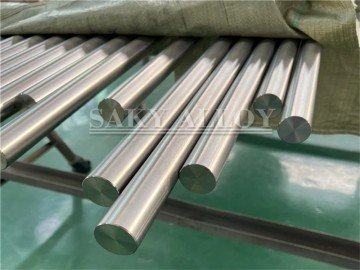
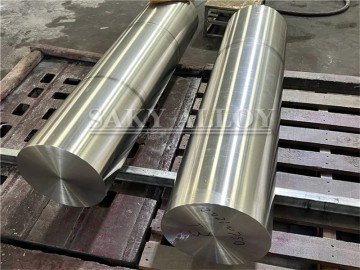
Titanium bars are solid, cylindrical metal products made from pure titanium or titanium alloys. Known for their exceptional strength-to-weight ratio and corrosion resistance, they are often used in applications where weight savings and durability are critical.
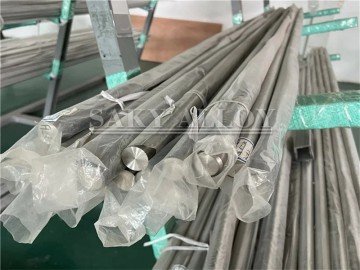
Nickel bars are solid metal rods made from pure nickel or nickel-based alloys. Their high resistance to oxidation, scaling, and chemical attack makes them ideal for high-temperature and corrosive service environments.
sakyalloy supplies both titanium and nickel bars in various grades, sizes, and surface finishes to meet industrial specifications and international standards.
Mechanical Properties: Strength and Temperature Resistance
| Property | Titanium Bar | Nickel Bar |
|---|---|---|
| Density | ~4.5 g/cm³ | ~8.9 g/cm³ |
| Tensile Strength | 400–1400 MPa (grade dependent) | 400–1000 MPa (alloy dependent) |
| Yield Strength | ~275–1200 MPa | ~150–800 MPa |
| Operating Temperature | Up to 600°C | Up to 1100°C |
-
Titanium bars offer exceptional strength-to-weight performance, ideal for aerospace and weight-sensitive applications.
-
Nickel bars handle higher operating temperatures, making them ideal for furnaces, reactors, and heat exchangers.
sakyalloy offers high-precision machined bars for critical structural applications, meeting AMS, ASTM, and ISO standards.
Corrosion Resistance Comparison
Titanium Bar:
-
Forms a stable oxide layer that resists corrosion in seawater, chlorides, acids, and alkalis.
-
Excellent resistance to pitting, crevice corrosion, and stress corrosion cracking.
-
Commonly used in saltwater, marine, and medical environments.
Nickel Bar:
-
Outstanding resistance to strong alkalis and acidic media, including hydrochloric, sulfuric, and hydrofluoric acids.
-
Performs well in high-temperature oxidation environments.
-
Ideal for chemical processing, petrochemical, and power generation industries.
Conclusion: Titanium is better for chloride-rich environments, while nickel excels in acidic or high-temperature chemical exposure.
Applications of Titanium Bar
-
Aerospace Industry
-
Airframes, landing gear, and engine components due to its light weight and strength.
-
-
Marine Engineering
-
Propeller shafts, heat exchangers, desalination systems.
-
-
Medical Sector
-
Orthopedic implants, dental screws, surgical instruments due to its biocompatibility.
-
-
Chemical Processing
-
Chlorine production, heat exchangers in seawater applications.
-
sakyalloy provides titanium bars in popular grades such as Grade 2, Grade 5 (Ti-6Al-4V), and Grade 23 for medical use.
Applications of Nickel Bar
-
Chemical Processing Equipment
-
Reactor vessels, piping, and storage tanks for acid resistance.
-
-
Aerospace and Gas Turbines
-
Nickel-based superalloys used in turbine blades and exhaust systems.
-
-
Power Generation
-
Steam generators, heat recovery systems, and nuclear components.
-
-
Electronics
-
Battery components and high-performance electrical connectors.
-
Common nickel alloys include Nickel 200, 201, Inconel 600, Inconel 718, and Monel 400, all available from sakyalloy.
Machinability and Fabrication
| Factor | Titanium Bar | Nickel Bar |
|---|---|---|
| Machinability | Moderate to difficult | More difficult due to work hardening |
| Welding | Excellent with inert gas protection | Challenging; requires skill and prep |
| Forming | Good cold-formability (pure grades) | Better hot-working properties |
Titanium is less dense and easier to machine than nickel but requires strict shielding during welding. Nickel alloys demand specialized tools and techniques to avoid cracking and work hardening.
sakyalloy offers cut-to-length, surface-treated, and turned bars according to custom specifications.
Cost Comparison
-
Titanium bars are less expensive than nickel-based alloys like Inconel or Hastelloy, but still more costly than steel.
-
Nickel bars, especially superalloys, are considerably more expensive due to alloying content and high-temperature performance.
Cost drivers include:
-
Raw material availability
-
Alloy content (e.g., Cr, Mo, Fe)
-
Manufacturing complexity
-
Market demand and strategic reserves
While nickel offers superior performance in aggressive environments, titanium may be the cost-effective choice for moderate conditions requiring light weight and corrosion resistance.
Selection Guide: Titanium Bar vs. Nickel Bar
| Requirement | Recommended Material |
|---|---|
| Light weight and high strength | Titanium Bar |
| High-temperature resistance | Nickel Bar |
| Resistance to seawater | Titanium Bar |
| Resistance to strong acids | Nickel Bar |
| Biocompatibility (medical use) | Titanium Bar |
| Chemical reactors and vessels | Nickel Bar |
| Cost-sensitive structural use | Titanium Bar (Grade 2) |
| Nuclear and superalloy components | Nickel Bar (Inconel, etc.) |
Still unsure? Contact sakyalloy for personalized material selection support based on your project’s application, environment, and budget.
Quality and Compliance Standards
sakyalloy ensures quality and performance by adhering to:
-
ASTM B348 for Titanium Bars
-
ASTM B160/B166/B637 for Nickel and Nickel Alloy Bars
-
AMS and ISO certifications
-
Full traceability and MTCs (EN10204 3.1/3.2)
-
Ultrasonic testing, surface roughness control, and dimensional inspection
All bars are manufactured with tight tolerances, customized lengths, and international packaging standards.
Why Choose sakyalloy?
As a leading global supplier of specialty metal bars, sakyalloy offers:
-
A complete inventory of titanium and nickel alloy bars
-
Global shipping and export packaging
-
Rapid delivery for custom and standard sizes
-
Technical assistance on material compatibility
-
Competitive pricing with volume discounts
From small-scale OEMs to large EPC contractors, customers worldwide rely on sakyalloy for consistent quality and dependable service.
Conclusion
Both titanium bars and nickel bars deliver superior performance in challenging industrial environments, but their strengths lie in different domains. Titanium is unmatched for its lightweight corrosion resistance and medical applications, while nickel thrives in extreme heat and chemically aggressive conditions.
Choosing between the two depends on your project’s operating environment, mechanical demands, and cost constraints. With expert support from sakyalloy, you can find the right solution for your specific needs—ensuring safety, efficiency, and long-term value.